
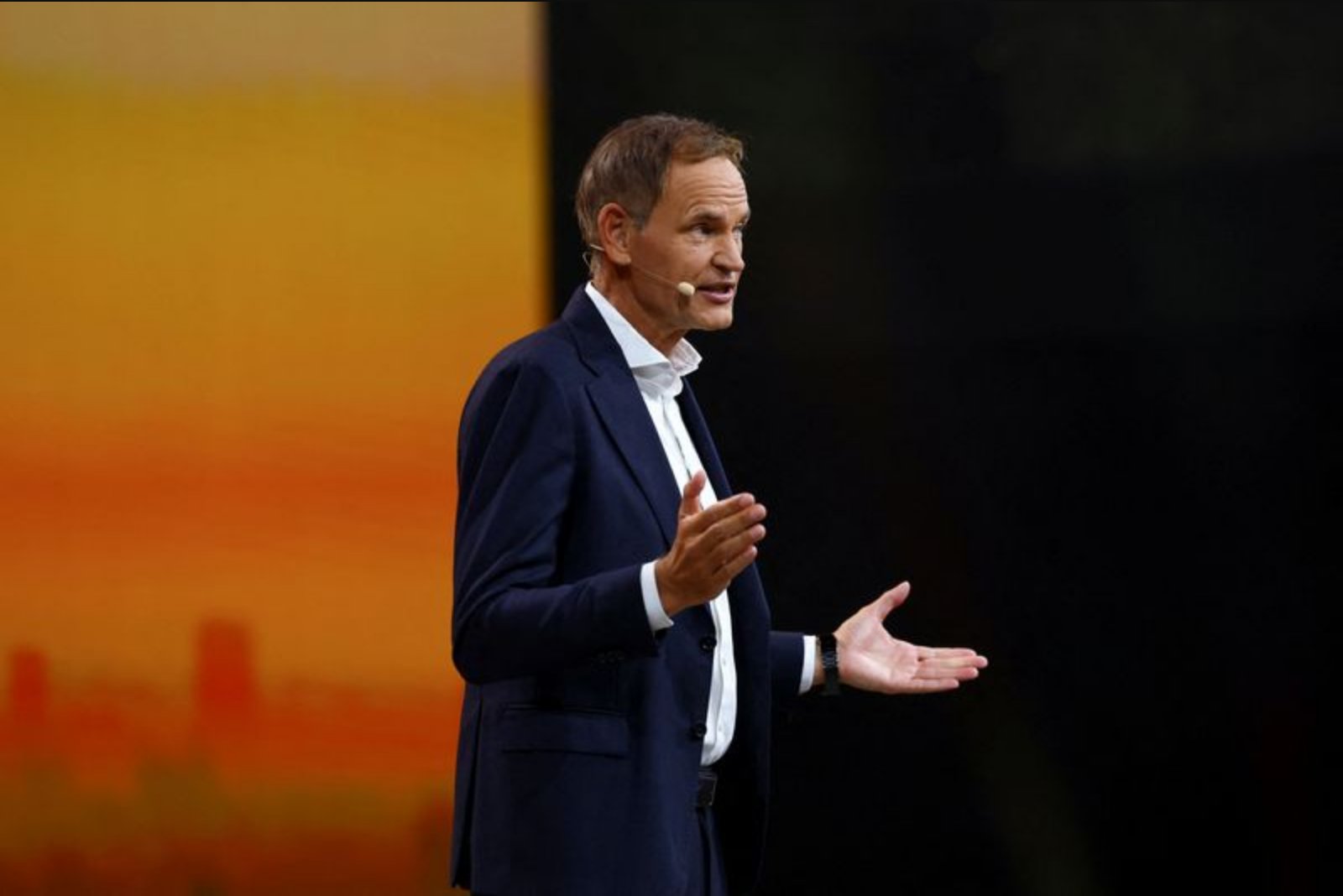
Volkswagen's chief executive, Oliver Blume, addressed a staff assembly in Wolfsburg on Wednesday to confront mounting concerns about the future of the group's German operations. Blume acknowledged that the company is carrying "excess capacity at our plants in Europe and Germany" and said that this must be fixed for Volkswagen to stay competitive. He also stated that there are "currently no plans or discussions with Chinese manufacturers".
The meeting took place amid intensifying speculation about the long-term outlook for Volkswagen's sprawling European plant network. The company has been under pressure from falling profits, softening demand and heightened competition, factors that have prompted questions about whether the group needs to scale back its manufacturing footprint.
Blume highlighted that Volkswagen has already enacted three years of cost discipline. That programme included cutting 50,000 jobs in Germany, with reductions also applied at the Audi and Porsche brands. According to the CEO, those measures have helped make the automaker more resilient in a market affected by steep tariffs and shifting demand patterns.
At the same time, Blume warned that Volkswagen does not expect to return to pre-pandemic sales levels in Europe. He said the company’s long-standing export-oriented model - in which cars are produced in Germany and shipped globally - is giving way to a need for localisation in key markets such as China, where Volkswagen operates through joint ventures with local partners.
Under an agreement with German unions and the company’s influential works council, Volkswagen has pledged to avoid factory closures. Nonetheless, late last month Blume suggested that alternative approaches could be considered, including contracts with defence companies or plant-sharing deals with other manufacturers. Those comments generated media speculation about possible partnerships similar to recent arrangements observed elsewhere in the industry.
State officials in Lower Saxony and Saxony have signalled openness to exploring partnerships for plants, reflecting regional concern for local industry and employment. However, the prospect of collaborations with Chinese carmakers has prompted mixed reactions. Chinese manufacturers such as BYD and Chery are actively seeking to grow their presence in Europe, and some observers caution that entering partnerships could unintentionally strengthen potential competitors.
Volkswagen is reportedly progressing with discussions to sell its Osnabrueck plant in northern Germany to a defence-sector partner. Meanwhile, the company says it achieved cost reductions averaging more than 20% last year at the Wolfsburg, Emden and Zwickau sites.
Daniela Cavallo, head of the works council, used the assembly to press management to end the speculation over the German plants. "One gets the impression that Volkswagen is almost a takeover target and needs to be rescued," she told thousands of workers. Cavallo urged management to concentrate on strengthening Volkswagen’s product lineup rather than engaging in what she described as repeated debates about alleged plant closures or supposed talks with third parties on alternative plant uses.
As Volkswagen balances cost reductions, workforce agreements and shifting market dynamics, management and labour representatives face the challenge of stabilising operations without introducing additional uncertainty for employees and regional economies. For now, the company says it is not negotiating with Chinese manufacturers, but it acknowledges that excess capacity in Europe remains a strategic issue that must be resolved.