
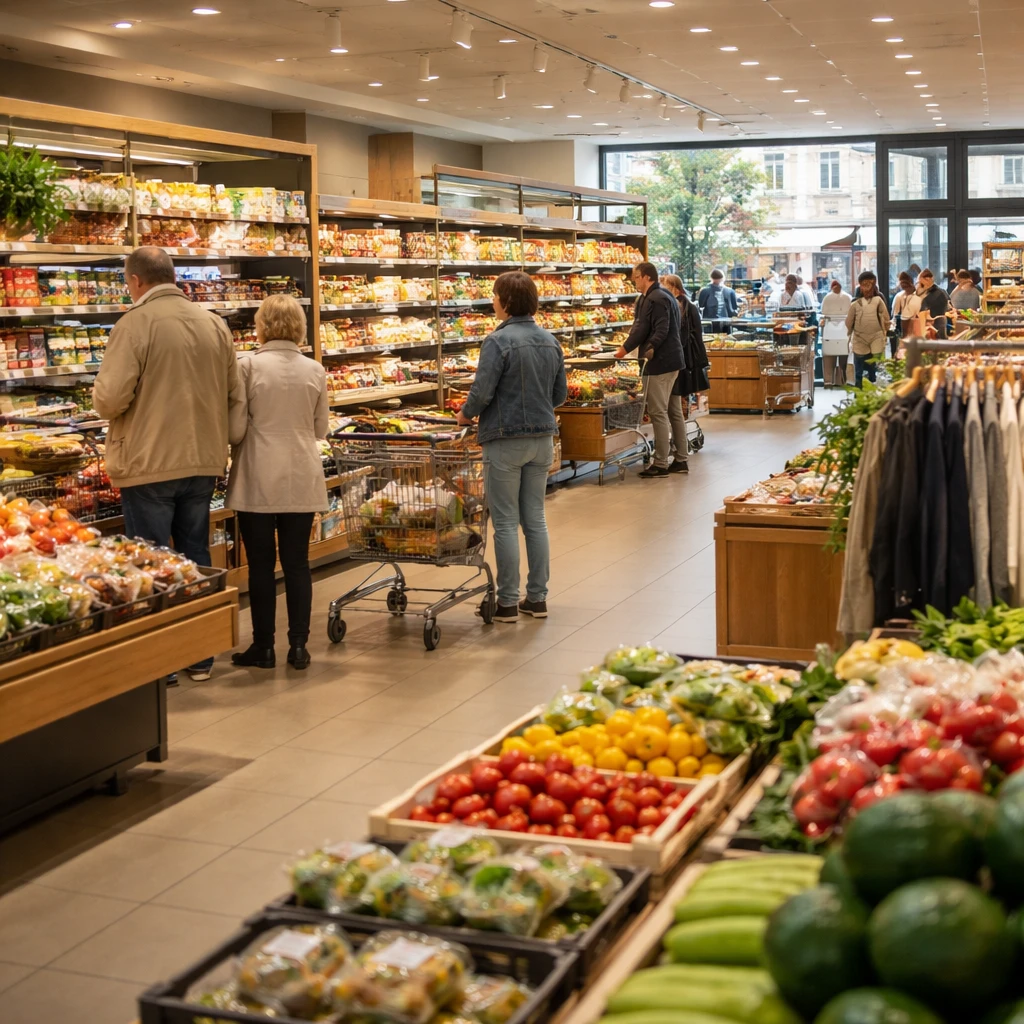
Barclays has identified three stocks at the top of its European retail list as grocers contend with nascent inflationary pressures and general retailers adjust to a weaker macro backdrop. The bank's analysis separates grocers from broader retail, noting clearer resilience among food retailers on several operational dimensions while general retail names face headwinds from softening labor markets and elevated rates.
On grocers, Barclays argues that current conditions are not a repeat of the 2022-2023 inflationary episode. The analysts point to stronger supply-chain hedging, commodities that are in deflationary trends, and the fact that the Middle East is not a significant global food producer - factors that together reduce the likelihood of a wholesale replay of the prior shock.
Regional dynamics vary. In the United Kingdom, Barclays highlights that Tesco and Sainsbury describe the trading environment as rational and are pursuing market-share gains. In France, the bank finds no obvious signs of the market breakdown observed in 2022-2023, noting that supplier negotiations were settled prior to the conflict and that Carrefour has been gaining share. In Poland, by contrast, Jeronimo Martins is delivering robust volume growth yet remains in a deflationary setting; the company expects inflation to return later in the year.
Barclays also outlines investor preferences in food retail. Moderate inflation tends to be favored because it provides operating leverage and working-capital tailwinds, but the bank cautions that sustained higher inflation can erode consumer demand as households trade down or reduce spending.
For general retail, Barclays' coverage is more heterogeneous. Given the challenging outlook, the bank is looking for companies with proven execution, positive brand momentum, or credible self-help plans that can drive a turnaround under tougher economic conditions.
Barclays' top European retail picks
1. Jeronimo Martins - Barclays ranks this stock as offering the greatest upside in the sector. The bank suggests that a re-emergence of inflation in the second half of the year could support investor sentiment toward the company. Jeronimo Martins reported first-quarter 2024 sales of €8.1 billion, an 11% increase, and EBITDA of €549 million, up 8%. The performance at Biedronka in Poland contributed materially, with sales at those stores rising 9.3%.
2. Tesco - Barclays continues to favor Tesco for its strong execution in food and for building capital-light income streams that should underpin earnings growth and returns. The firm notes Tesco's limited exposure to discretionary spending, which offers some protection as consumer spending softens. Separately, analysts at Citigroup recently reiterated a 'Buy' rating on Tesco and raised their price target for the shares.
3. Marks & Spencer - Marks & Spencer has materially de-rated since the outbreak of the Middle East conflict, with weaker domestic UK performance and soft market-share signals in the fashion segment leading to downward earnings revisions. Barclays views current share-price levels as an attractive entry point, saying consensus expectations are now in a more sensible place and that longer-term opportunities remain around food market share and clothing profitability. The company reported a 58% increase in annual profit, with profit before tax of £716.4 million for the year ending March 30, ahead of forecasts.
The bank's recommendations reflect a view that grocers are comparatively well-positioned to manage the immediate build-up of inflationary pressure, while general retailers must be selected on the basis of execution, brand strength or credible self-help strategies in a challenging macro environment.