
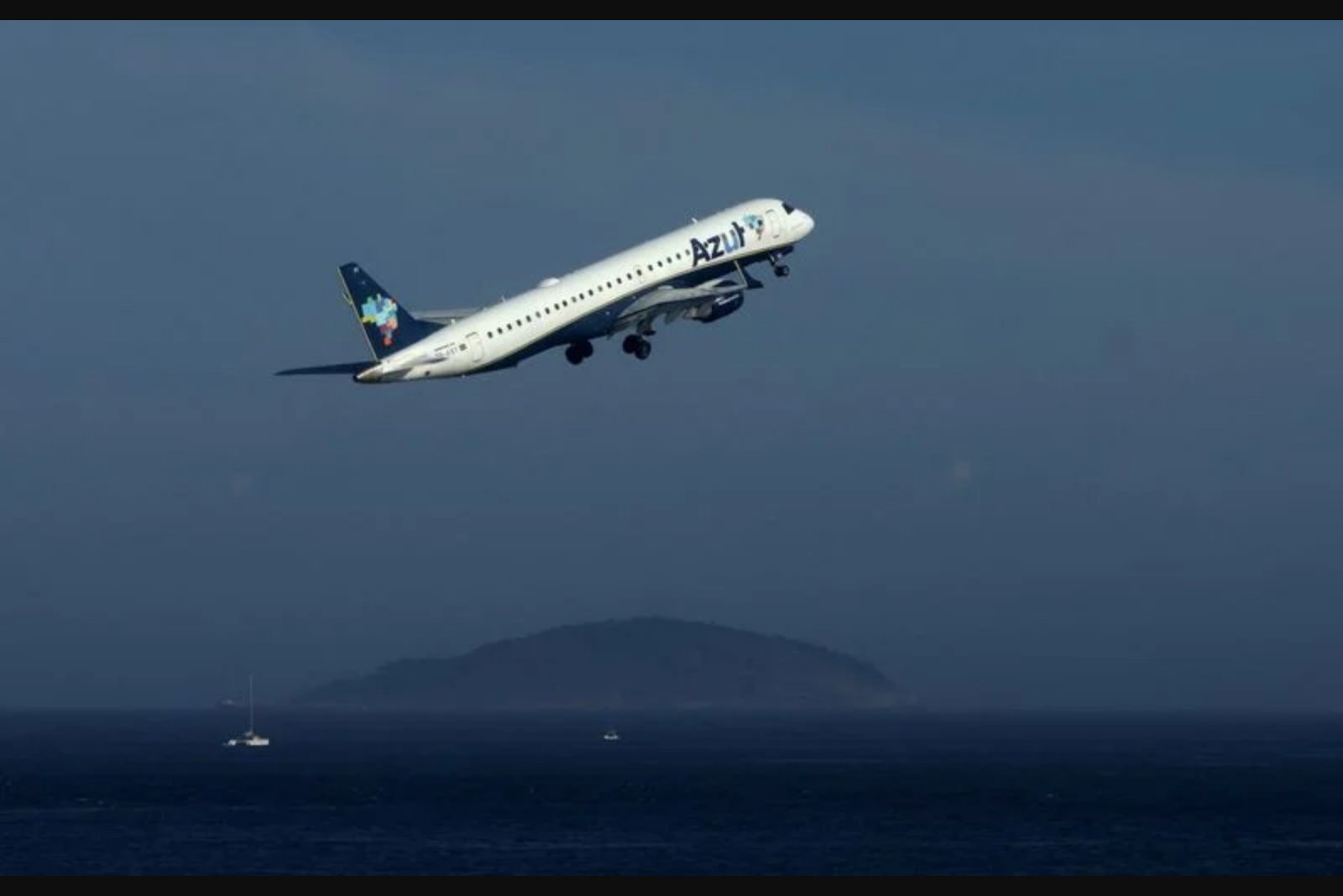
Azul Airlines is escalating its capacity-management measures as jet fuel prices remain elevated in the wake of the Iran war, the company’s chief executive said. The carrier plans further reductions in flying to conserve cash while navigating an uncertain cost environment, with a particular emphasis on trimming frequencies rather than immediately cutting served cities.
CEO John Rodgerson said the industry’s largest carriers were lowering capacity to better match demand at higher operating costs, and Azul would extend its prior reductions as the conflict continues. "When we made our initial cuts, we thought the war would be over by now," he said in an interview, given in the run-up to a meeting of global airline chiefs in Rio de Janeiro. "But it’s continuing, so we’re going to continue to opportunistically cut some frequencies, make sure that we’re only flying things that make sense."
Rodgerson noted that most of Azul’s second-quarter reductions have been on international routes. Moving forward, the adjustments will target domestic frequencies - reducing the number of flights on routes - rather than immediately eliminating service to cities. He offered a practical example of the approach: "Do you fly to Curitiba six times a day? Maybe with these fuel prices, it should be four."
The carrier is placing priority on core hub connectivity, naming Campinas, Belo Horizonte and Recife as focal points for network stability. "We’re yet to pull cities, but that’s always on the table. But you first start with utilization and cutting frequencies," Rodgerson said, adding that the goal is to avoid unsustainably high aircraft utilization when fuel costs have risen sharply. "You don’t want to be utilizing an aircraft 13, 14 hours a day when fuel prices double."
Rodgerson also highlighted Azul’s financial position following a major debt restructuring, saying the balance sheet left the airline in a stronger place than some peers to adjust operations. The company exited Chapter 11 proceedings in February with strategic support from United Airlines and American Airlines.
On pricing, Azul anticipates continued pressure on fares during the seasonally weaker second quarter. However, management sees potential for higher fares to persist as travel demand strengthens into the third and fourth quarters, offering some relief later in the year.
Contextual notes
- Capacity cuts so far have been concentrated on international services, with subsequent measures focused on reducing domestic flight frequencies rather than cancelling city routes outright.
- Operational emphasis is on protecting hub connectivity at Campinas, Belo Horizonte and Recife while improving aircraft utilization metrics under higher fuel price scenarios.
- Azul’s recent debt restructuring and exit from Chapter 11 in February - backed by United and American - is cited as strengthening its ability to adapt.