
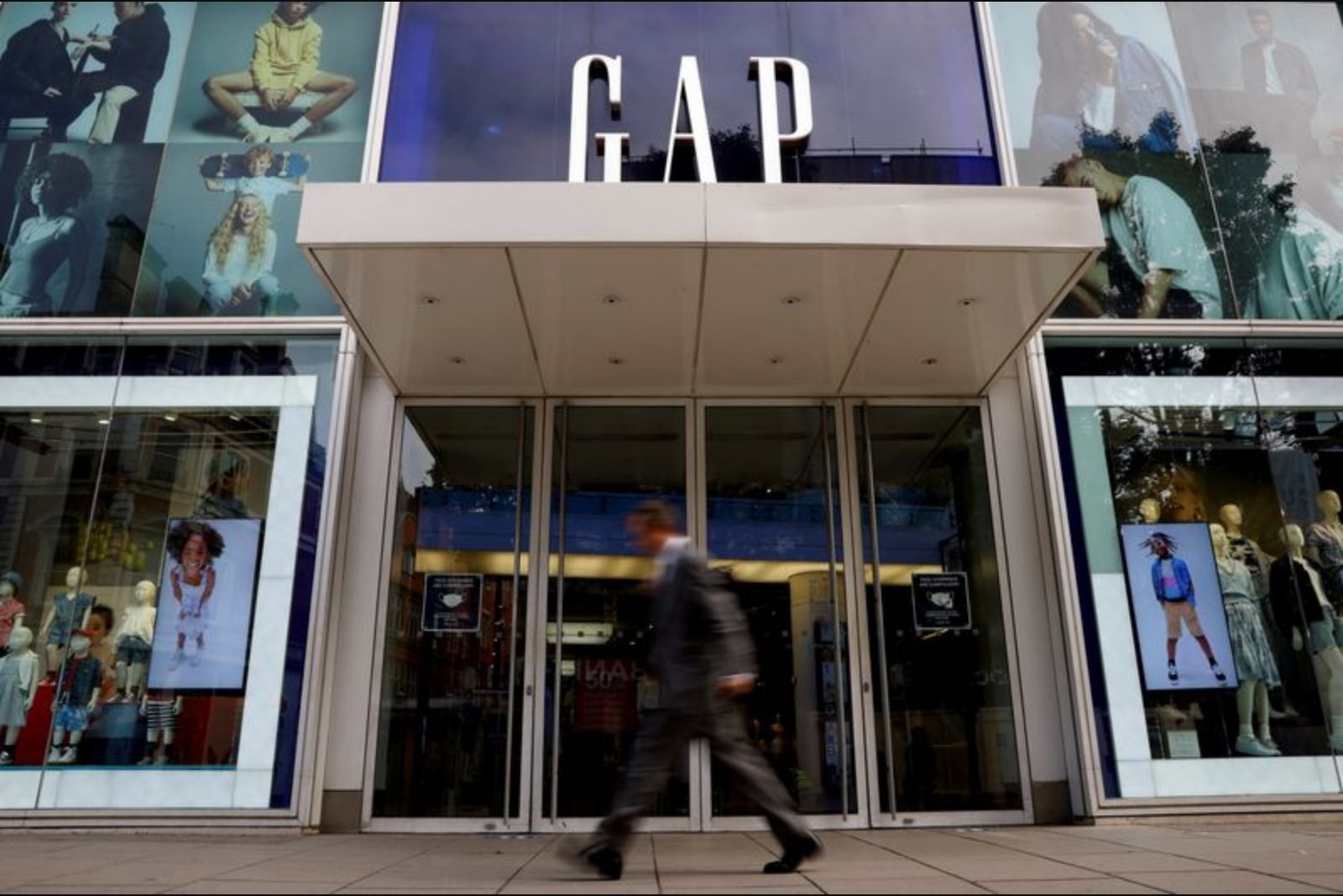
Shares of two large U.S. apparel chains fell sharply in early trading on signs that consumer appetite for discretionary clothing is waning. Gap Inc. tumbled about 15% premarket and American Eagle Outfitters slid roughly 10% after both firms issued guidance and commentary that raised concerns about demand and margins.
Gap reduced its annual sales forecast, while American Eagle kept its full-year comparable sales and operating profit targets intact but warned investors that its current-quarter gross margin is expected to contract. The moves came against a macroeconomic backdrop in which U.S. inflation recorded its largest increase in three years and consumer sentiment reached a record low in May - developments companies said have prompted households to draw on savings and cut back on nonessential purchases such as apparel and accessories.
Both retailers flagged specific weakness within women’s seasonal categories, an area that has exerted pressure on short-term results. At Gap, where leadership is executing a broader turnaround effort, the biggest stress point was Old Navy, the chain's largest banner. Analysts at BTIG highlighted the banner's role in recent performance, noting a misstep on seasonal assortment.
"Old Navy was the key swing factor," BTIG analysts said in a note. "Weakness was concentrated in seasonal categories like dresses, where the assortment missed on fashion and value, weighing on conversion despite solid traffic."
The BTIG comment pointed to a disconnect between shopper visits and actual spend at Old Navy - traffic remained healthy, but conversion rates suffered when seasonal styles and perceived value failed to resonate.
American Eagle faced a mixed picture: strength at its Aerie brand was not sufficient to offset softness at the namesake American Eagle banner. Weakness in women’s bottoms was highlighted as a factor, attributed to shifting fashion trends and an unusually cool spring that hurt seasonal demand. The company has sought to engage younger consumers - notably Gen Z - through marketing initiatives: last month it launched a second campaign featuring actor Sydney Sweeney to promote its summer denim shorts line, following a controversial and viral ad with the actress the prior year that had previously helped lift the stock.
Analysts flagged additional headwinds. Barclays said heavy marketing expenditure is likely to recur in the second quarter of 2026, while adding that "bottoms including denim have since returned to underperformance." The firm also suggested the American Eagle brand may find it difficult to replicate the boost from its high-profile Sydney Sweeney and Travis Kelce campaigns and to drive earnings growth in the second half of 2026.
Valuation metrics cited from LSEG data showed Gap trading at about 10.30 times estimated earnings for the next 12 months, versus 9.70 times for American Eagle and 7.43 times for Abercrombie & Fitch. Those multiples reflect investor expectations and relative perceived risk across apparel peers.
The shares' early slide underscores the vulnerability of apparel retailers to volatile consumer sentiment and inflation-driven cost pressures. Both Gap and American Eagle are navigating a retail environment where promotional effectiveness, assortment alignment, and timing of seasonal merchandise have immediate implications for conversion, margins, and near-term guidance.