
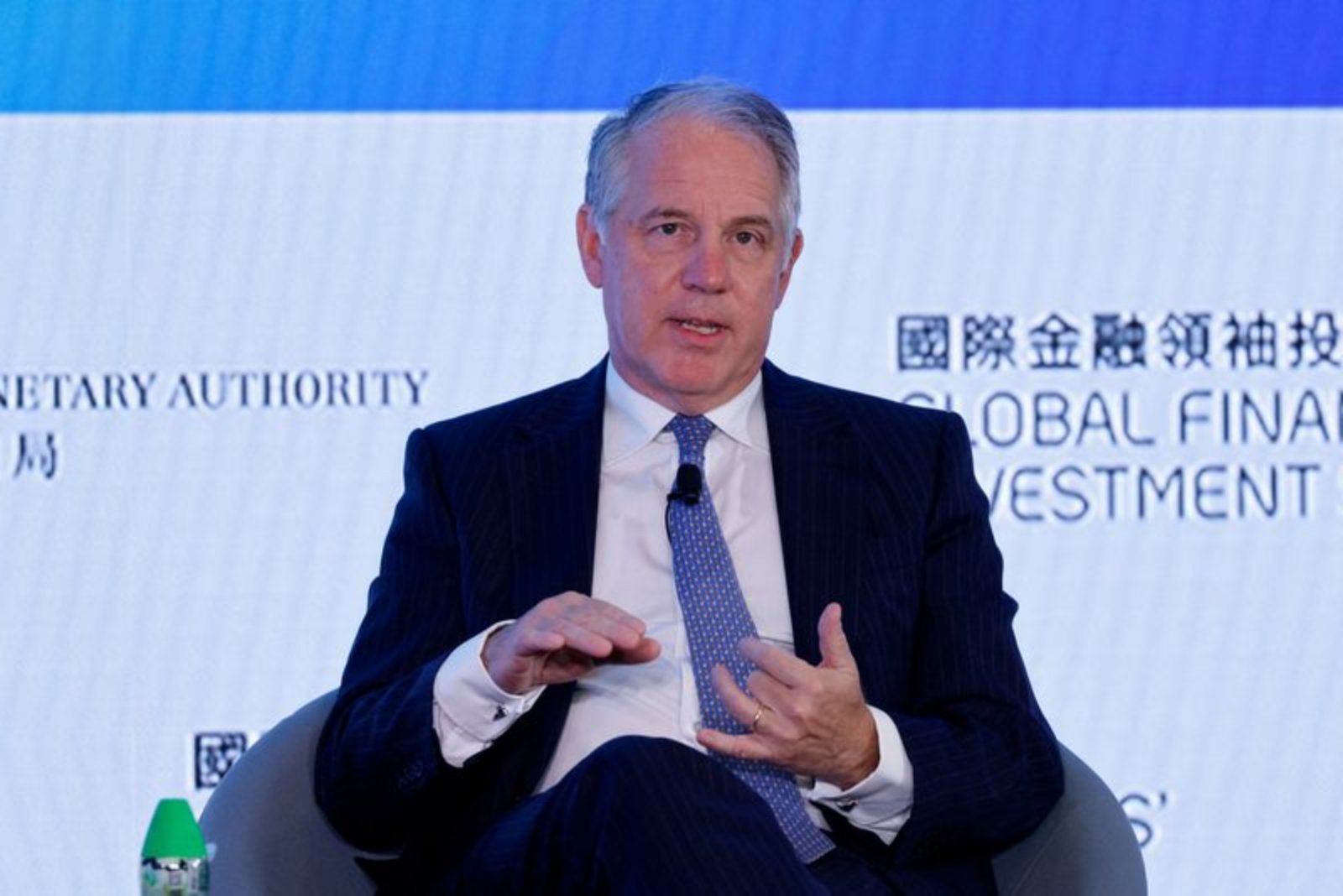
Apollo Global Management's president, Jim Zelter, told attendees at a New York industry conference that he expects ongoing attempts by affluent investors to pull capital from particular private credit vehicles. The remarks came against a backdrop of several months in which investors withdrew more funds than they invested earlier this year from a type of fund oriented mainly to the retail market that lends to midsized companies.
Speaking at the Bernstein Strategic Decisions Conference in New York, Zelter said the recent run of redemptions was not, in his view, a one-off event. "I don’t think it was a one-shot," he said, referring directly to the pattern of outflows.
He acknowledged that the underlying performance of those funds had been described as "solid" during March, April and May, but cautioned that this did not mean redemption pressures would rapidly subside. Managers of the funds commonly offer to repurchase up to 5% of assets per quarter, and Zelter warned that this structural feature could limit how quickly redemptions decline.
He added that the rate of investors seeking exits might not just persist but could "may be even a little bit of an increase if people want to game the system," and said plainly, "we are not through the turbulence yet."
Zelter also drew a distinction between investor groups, saying that clients in some regions who access the funds via alternate channels have been more resilient. "We’re learning ... who are our longer-term friends and who are the shorter-term tourists," he said, indicating a differentiation in investor stickiness across markets.
The broader context for the redemptions, he and others have noted, includes rising doubts about private credit more generally. Those doubts have been linked in part to loan valuations and questions about how borrowers will navigate disruption from artificial intelligence. The specific retail-oriented funds at issue typically lend to midsized companies, a market segment tied to both macroeconomic conditions and corporate borrower dynamics.
Zelter's comments underline that, despite months of solid reported fund results, managers face continued liquidity pressures and investor behavior that may remain unsettled for some time.