
Wall Street analysts have opened coverage on Bill Ackman’s Pershing Square after the firm’s IPO quiet period expired, delivering predominantly neutral-equivalent recommendations. Research teams acknowledged the investment vehicle’s apparent structural advantages and the potential benefits of operating leverage, but several said a significant portion of expected gains appears already incorporated into the share price.
Global coordinators and bookrunners for the IPO were Citigroup, UBS Securities, BofA Securities, Jefferies and Wells Fargo.
UBS began coverage with a "neutral" rating and set a $39 price target. The firm described Pershing Square as a "stock-of-one," pointing to a straightforward, scalable model that benefits from operating leverage. At the same time, UBS warned that the market has largely priced in those strengths. "At current levels, investors are paying for durability and growth visibility," UBS said, adding that additional upside would likely require stronger investment performance or fresh capital raises, leaving the risk/reward profile balanced.
Citigroup initiated coverage with a "buy" rating and a $50 price objective, flagging that the timing and size of any future fundraising could materially affect both the company’s fundamental value and investor sentiment.
BofA Global Research started with a "neutral" rating and a $42 price target. BofA highlighted Pershing Square’s reliance on Bill Ackman for strategy, investing and fundraising and noted that any reduction in his involvement - whether through retirement or other pursuits - could influence investment results and the ability to raise capital.
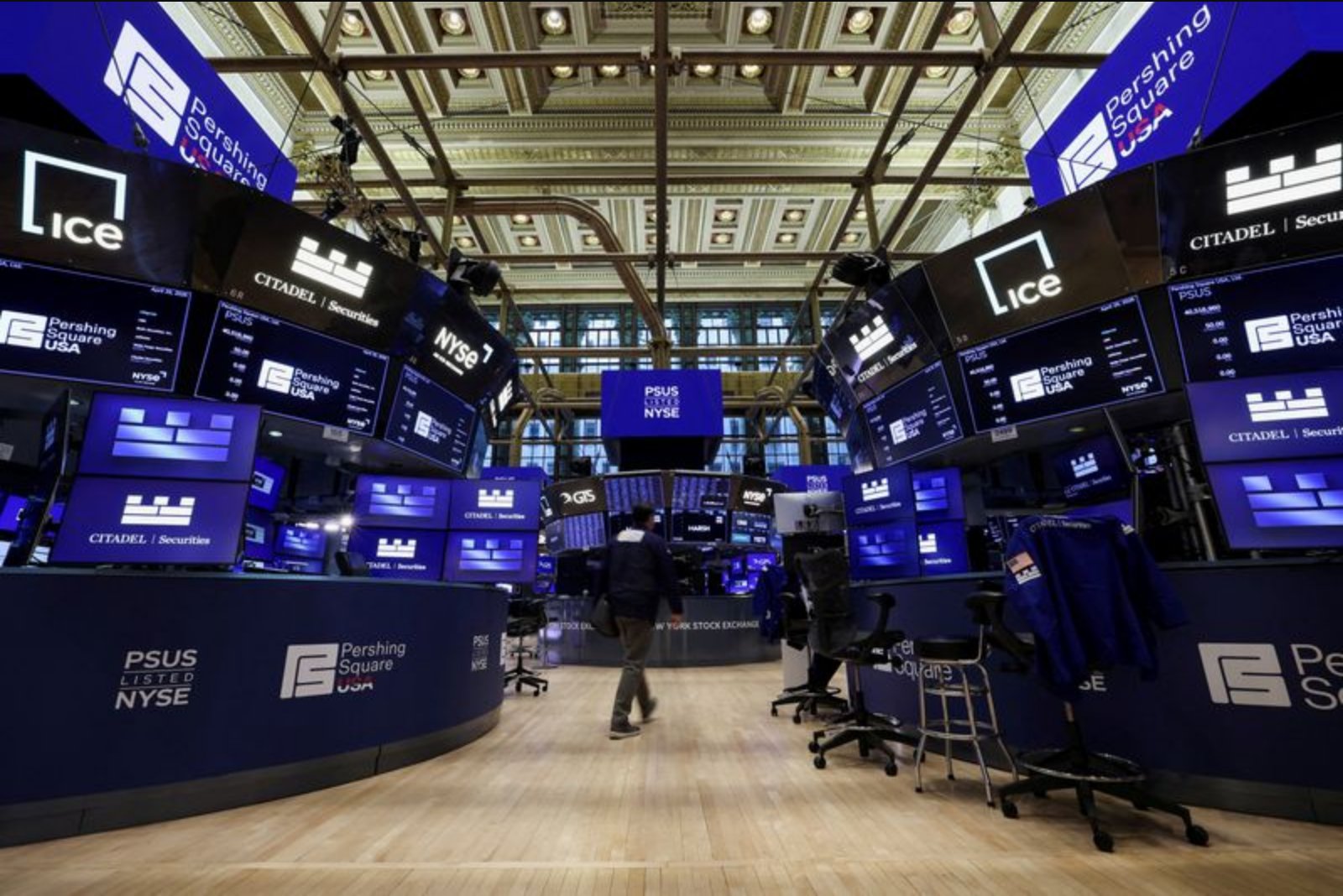
Market pricing since the IPO has reflected notable divergence between the traded entities tied to Pershing Square. Shares of the Pershing Square parent have risen much higher than their initial listing price, while the closed-end fund that was part of the combined U.S. IPO has moved differently.
Specifically, Pershing Square shares were trading around $36 on Tuesday, roughly 50% above their $24 debut on April 29. In contrast, Pershing Square USA - the closed-end fund included in the combined U.S. offering - was trading at $40.9, about 20% below its IPO price. As part of the fund offering, PSUS investors received one Pershing Square share for every five shares they purchased in the fund offering.
Taken together, analysts recognize a clear long-term thesis for Pershing Square but emphasize that near-term returns may be constrained unless investment results or capital activity change the market’s expectations.