
Aixtron said Tuesday it has received several orders from photonic-product manufacturer Lumentum for its G10-AsP metal-organic chemical vapor deposition (MOCVD) systems, a move intended to boost production capacity for high-speed indium phosphide (InP) lasers used in AI data center networking.
The announcement came as shares in the German chip systems maker rose roughly 2% by 07:43 GMT.
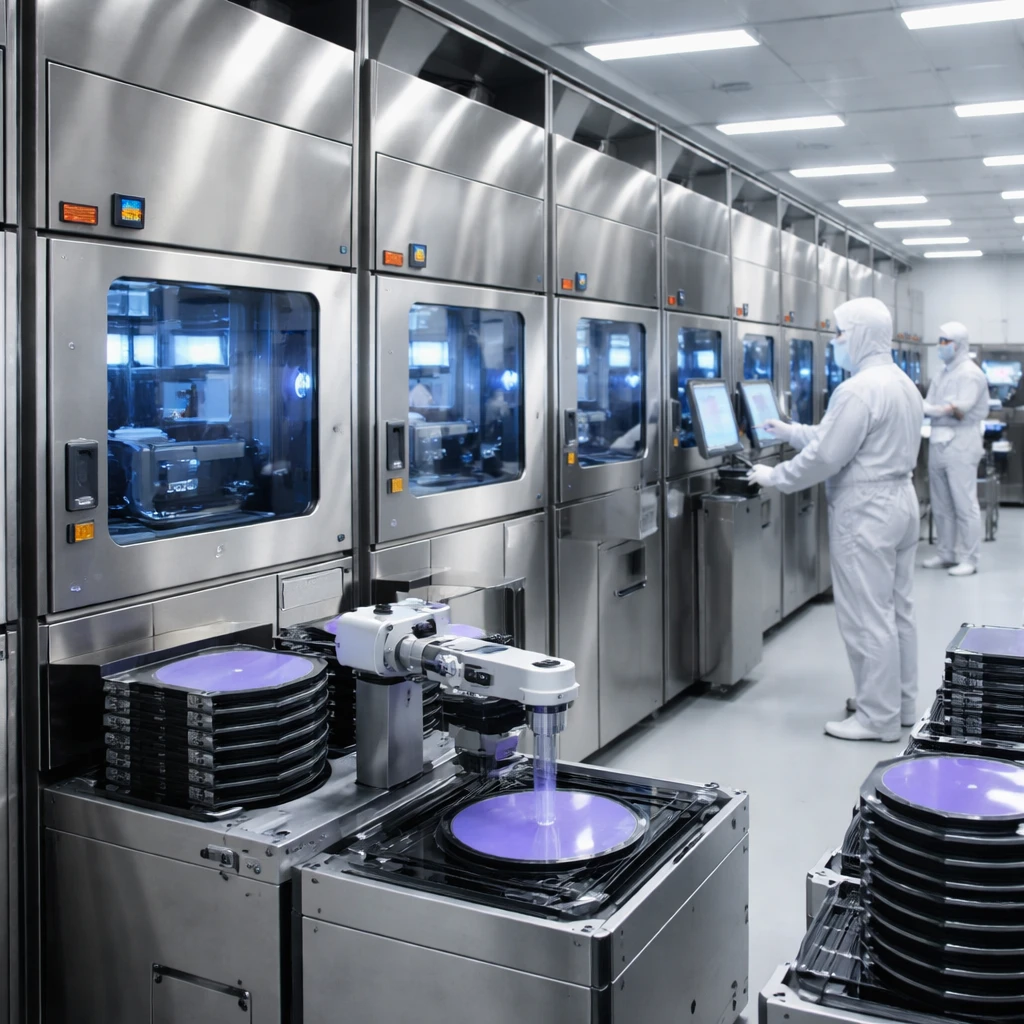
According to Aixtron, Lumentum will deploy the G10-AsP platforms to scale output of InP-based lasers and detectors designed for 800G and beyond optical connectivity products, technologies that are increasingly important to meet the bandwidth requirements of large-scale AI infrastructure. The G10-AsP system is configured for volume InP production, supports 6-inch wafers and features fully automated wafer handling alongside in-situ cleaning to enable longer, stable production runs.
"Lumentum is shaping the future of AI-driven high-speed optical communications," Aixtron Chief Executive Felix Grawert said. "We are proud to support this trajectory with our G10-AsP platform, enabling scalable and highly stable InP manufacturing in line with accelerating market demands."
Jefferies analysts reacted to the order by noting it aligns with their view that the optical equipment cycle is starting to turn in Aixtron's favor. They wrote that the opto cycle is "just beginning to inflect for Aixtron as laser players remain capacity constrained."
The Jefferies team added that the specific focus on G10-AsP tool orders is positive for margins, observing that these systems are "gross margin accretive at a group level (vs legacy G4/G5 systems) and can support 6-inch wafers."
Analysts also pointed to accumulating positive signals across the optical supply chain cited in the company commentary, including multi-year supply agreements between Nvidia and both Lumentum and Coherent, and Lumentum's earlier announcement of plans to expand 6-inch InP production in North Carolina with a target of reaching volume output by 2028.
Following those developments, Aixtron said it has gained better visibility on multi-year demand for its tools. In its first-quarter results the company referenced a mid-term annual tool opportunity in the range of 60 to 120 units. Jefferies said these elements are likely to support confidence in the durability of the current opto capital expenditure cycle into 2027/28.
Market reaction and analyst commentary underscore the role of equipment upgrades and wafer-scale production in supporting higher-capacity optical links as AI workloads drive demand for greater data-center bandwidth.