
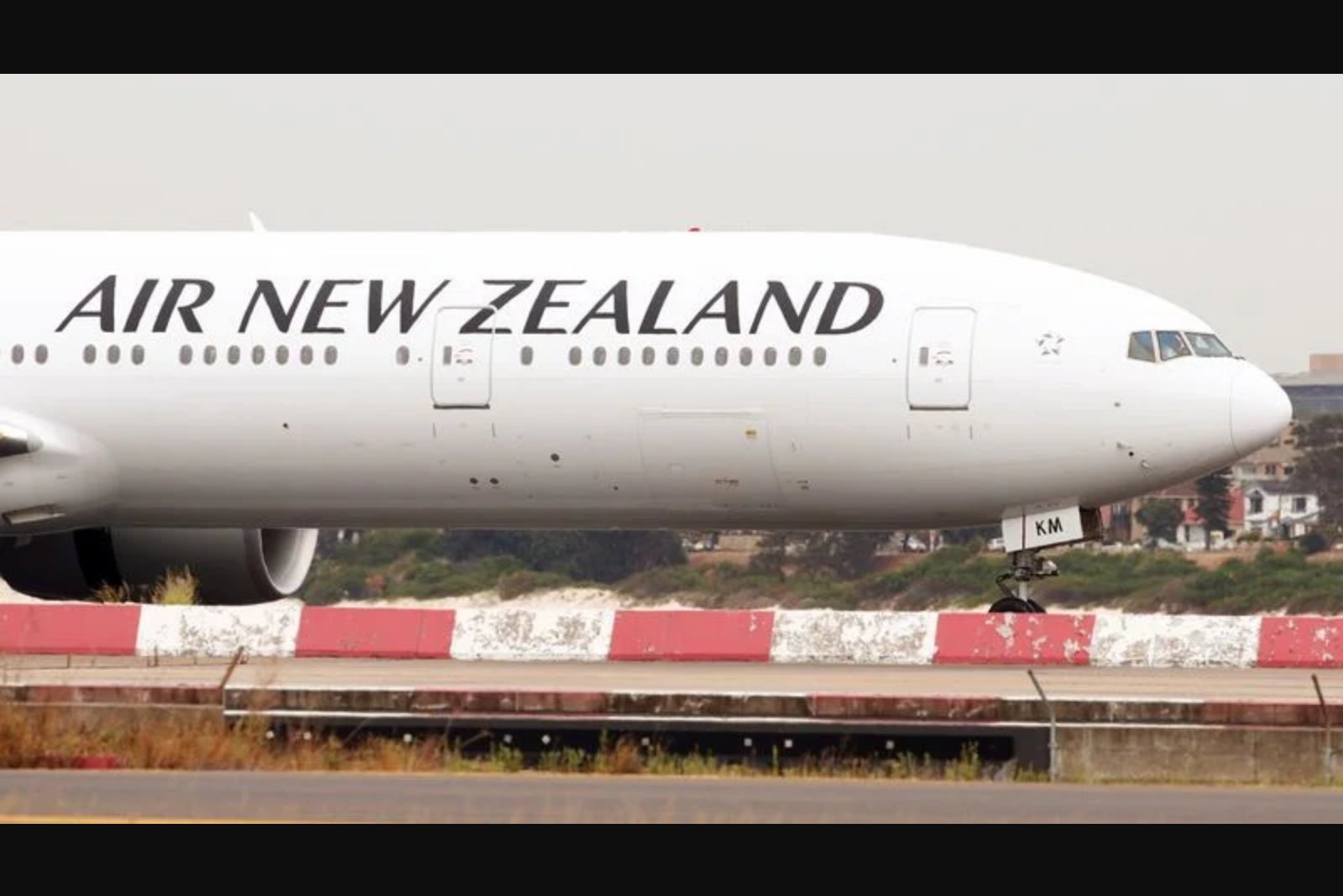
Air New Zealand has absorbed only a fraction of the recent fuel-price surge through existing hedges and ticket price adjustments, leaving the airline positioned to assume sustained higher jet fuel costs into its 2027 financial year, company executives said.
Management estimates that hedging and fare increases have compensated for roughly 25% to 40% of the impact from rising fuel prices. The airline is currently planning on a jet fuel assumption of about $150 per barrel as measured by the Singapore Jet Index, a figure the carrier is using in its forward budgets and operational planning.
Executives emphasised that the carrier is not encountering fuel supply shortages, but that the sudden increase in fuel prices constitutes the chief headwind the airline faces. To date, Air New Zealand has implemented two rounds of fare increases and signalled it may carry out additional targeted fare hikes in markets where demand remains strong.
On the tension between pricing and demand, management observed: "You can’t just infinitely keep raising prices. The market will respond and demand will soften and then you fly less." That balance informs the carrier's approach to further revenue actions, with tactical price moves considered only where resilience in bookings supports them.
Although the airline does not plan to return to capital markets for fresh liquidity, executives said the company's balance sheet and a pool of unencumbered aircraft provide financial flexibility to withstand a prolonged period of high fuel costs. If fuel prices remain elevated, the carrier said it would rely on a combination of cost reductions, renegotiated supplier terms, additional fare increases and cuts to capacity as tools to manage the pressure.
Operationally, Air New Zealand is also working through a separate set of disruptions. Engine issues and aircraft delivery delays earlier in the cycle had grounded as much as 20% of the fleet at one point. That disruption has eased materially, with the proportion of grounded aircraft down to under 5% and most of those planes expected to return to service over the next two to three months.
The airline has received compensation from manufacturers and engine suppliers including Boeing, Rolls-Royce and Pratt & Whitney. Management said those payments have been helpful but have only partially offset the economic harm caused by the disruptions.
Contextual note: The company is balancing short-term revenue moves and operational recovery while planning against a high jet-fuel price baseline for fiscal 2027.