
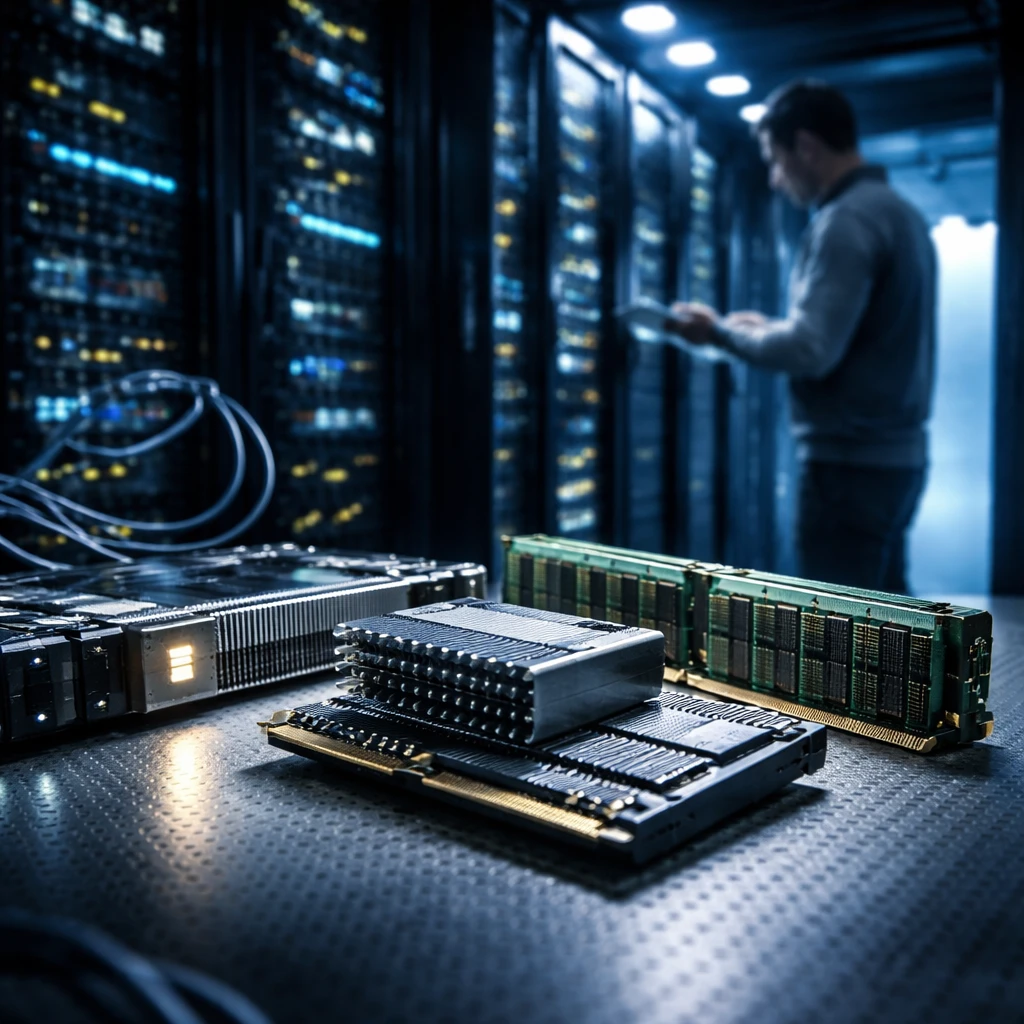
A Morgan Stanley report cautions that accelerating demand tied to artificial intelligence is producing a structural shortage in the worldwide memory market, pushing memory prices sharply upward and increasing costs across the technology sector.
The note highlights a rapid surge in demand for high-bandwidth memory (HBM), DRAM and enterprise solid-state drives (SSDs) as large cloud providers and hyperscalers expand spending on AI infrastructure. According to the report, this AI-led demand is consuming a growing share of available memory capacity, prompting manufacturers to prioritize higher-margin products destined for data centers and dedicated AI systems.
Memory prices have climbed by more than six times over the past year, a marked break from the long-standing pattern of declining semiconductor costs. Analysts cited in the report argue the market now faces a multi-year supply bottleneck, noting that building and qualifying new production capacity requires years. That timeline limits the ability of supply to quickly respond to the current surge in demand.
The report warns that the industry shift toward data-center and AI-focused memory products is likely to reduce the volume of memory available for more traditional markets, including smartphones, personal computers, automotive electronics and industrial equipment. If current dynamics continue, the investor note estimates smartphones and PCs could experience memory supply shortfalls by 2027.
Another pressure point identified by the report is the way large cloud providers are securing capacity. The note says these customers are increasingly locking up supply through long-term agreements and prepayments, which tightens availability for other buyers and diminishes the influence of traditional commodity pricing mechanisms in the memory market.
Broader economic consequences are already visible, the report adds. Rising memory costs are beginning to show up in producer price inflation measures and are altering corporate cost structures, with potential implications for hardware pricing and corporate margins.
On positioning, the investor note expresses a preference for memory manufacturers and related infrastructure suppliers, arguing these firms have stronger pricing power and better earnings visibility amid elevated prices and constrained supply. By contrast, companies whose products are exposed to consumer hardware and other non-AI end markets are identified as facing the greatest risk from higher memory costs and supply constraints.
Selected excerpts and implications
- AI-driven demand for HBM, DRAM and enterprise SSDs is accelerating as hyperscalers expand AI infrastructure.
- Memory prices rose more than sixfold in the past year, diverging from the historical trend of falling semiconductor costs.
- New manufacturing capacity will take years to build and qualify, creating a multi-year supply bottleneck according to analysts.
The report presents an investor view that favors suppliers positioned to benefit from the AI memory squeeze, while highlighting potential cost and availability challenges for consumer-facing hardware manufacturers and other non-AI sectors if current trends persist.