
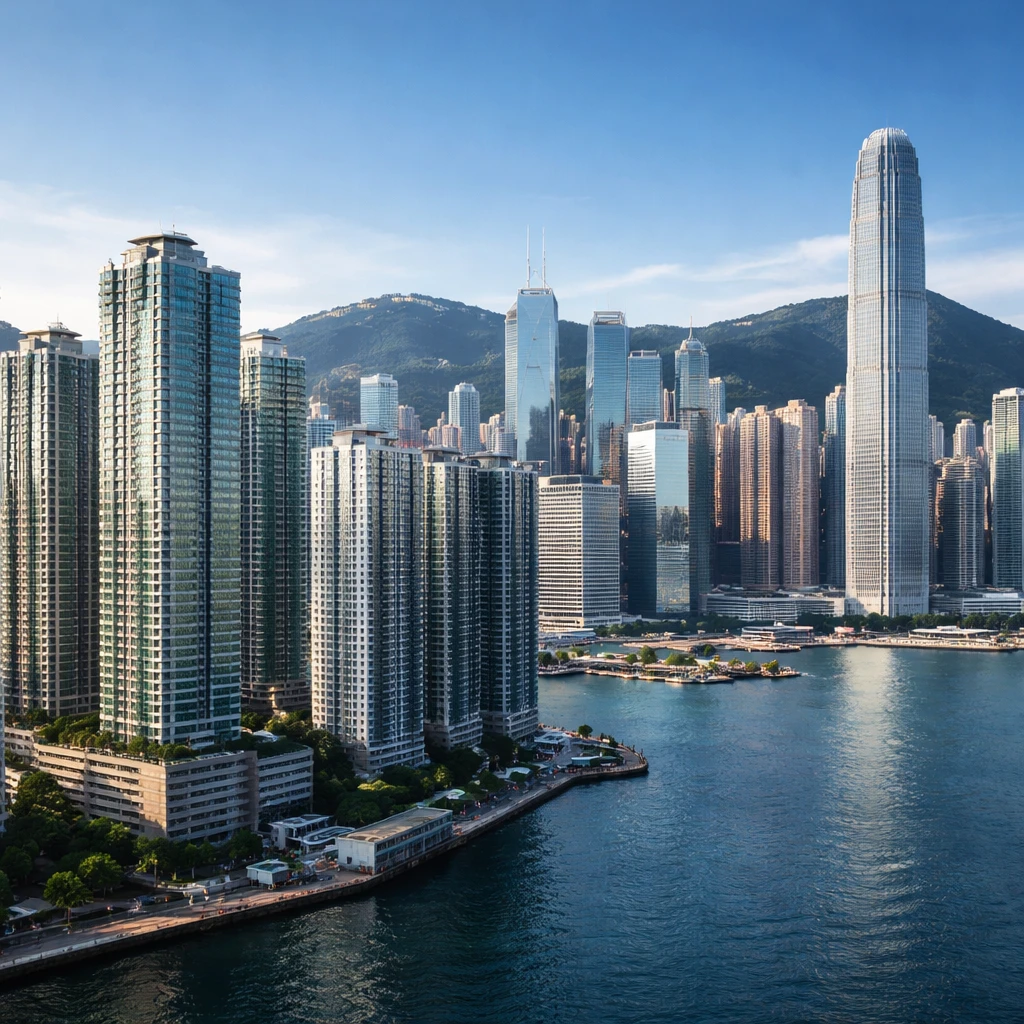
Hong Kong Residential Property Prices Extend Recovery to Thirteenth Month as Monthly Gains Moderate
Official data indicates a deceleration in price momentum, though the market remains anchored by structural demand and stabilizing sentiment.
Private residential property values in Hong Kong registered an increase for the thirteenth straight month during June, though the monthly pace decelerated to 0.3 percent according to official figures released by the Rating and Valuation Department. This moderation follows a revised 1.5 percent monthly surge recorded in May. Over the first half of the year, cumulative price appreciation has reached 7.9 percent, pushing property valuations to their highest levels since September 2023.
The current recovery trajectory stands in stark contrast to the preceding downturn. Following a peak in 2021, residential prices experienced a contraction of nearly 30 percent before posting their first annual increase last year. Industry observers anticipate a period of short-term consolidation within the housing sector after its sustained upward movement since June of the previous year. Despite the cooling monthly pace, the broader market continues to benefit from constructive sentiment, resilient equity performance, and a gradual reduction in excess inventory.
Demand dynamics are being shaped by competing forces. On the upside, a steadily increasing cohort of mainland Chinese professionals continues to generate firm purchasing interest, while a more balanced supply landscape has helped alleviate previous oversupply pressures. Conversely, prospective buyers are navigating headwinds stemming from recent corrections in equity markets alongside Beijing’s recent tightening of regulatory frameworks governing outbound capital flows. These macroeconomic and policy variables are actively influencing transaction volumes and pricing stability across the local property sector.
Key Economic Takeaways
- The residential property market has demonstrated sustained recovery momentum, with prices climbing 7.9 percent over six months and reaching peaks unseen since September 2023, signaling a broad stabilization in the real estate sector.
- Structural supports including easing inventory pressures, positive market sentiment, and sustained interest from mainland professionals continue to underpin valuations, while broader equity performance remains closely tied to domestic property activity.
- The interplay between housing demand and capital markets highlights how shifts in investment flows and regulatory policy directly impact local economic indicators and cross-border financial services.
Risks and Market Uncertainties
- Recent corrections in stock markets and stricter controls on outbound investment from China may dampen short-term buying demand and prolong periods of market consolidation, affecting both residential real estate and wealth management platforms.
- The transition from rapid post-downturn gains to a stabilized pricing environment introduces uncertainty regarding transaction velocity and the sustainability of current valuation levels within the broader property sector.
- Regulatory shifts affecting capital mobility and broader macroeconomic volatility could impact the residential sector alongside financial intermediaries, requiring careful monitoring of policy announcements and market liquidity conditions.
As the market navigates this consolidation phase, stakeholders will closely track how evolving capital controls, equity performance, and supply normalization interact to determine the pace of future price adjustments across Hong Kong's residential landscape.