
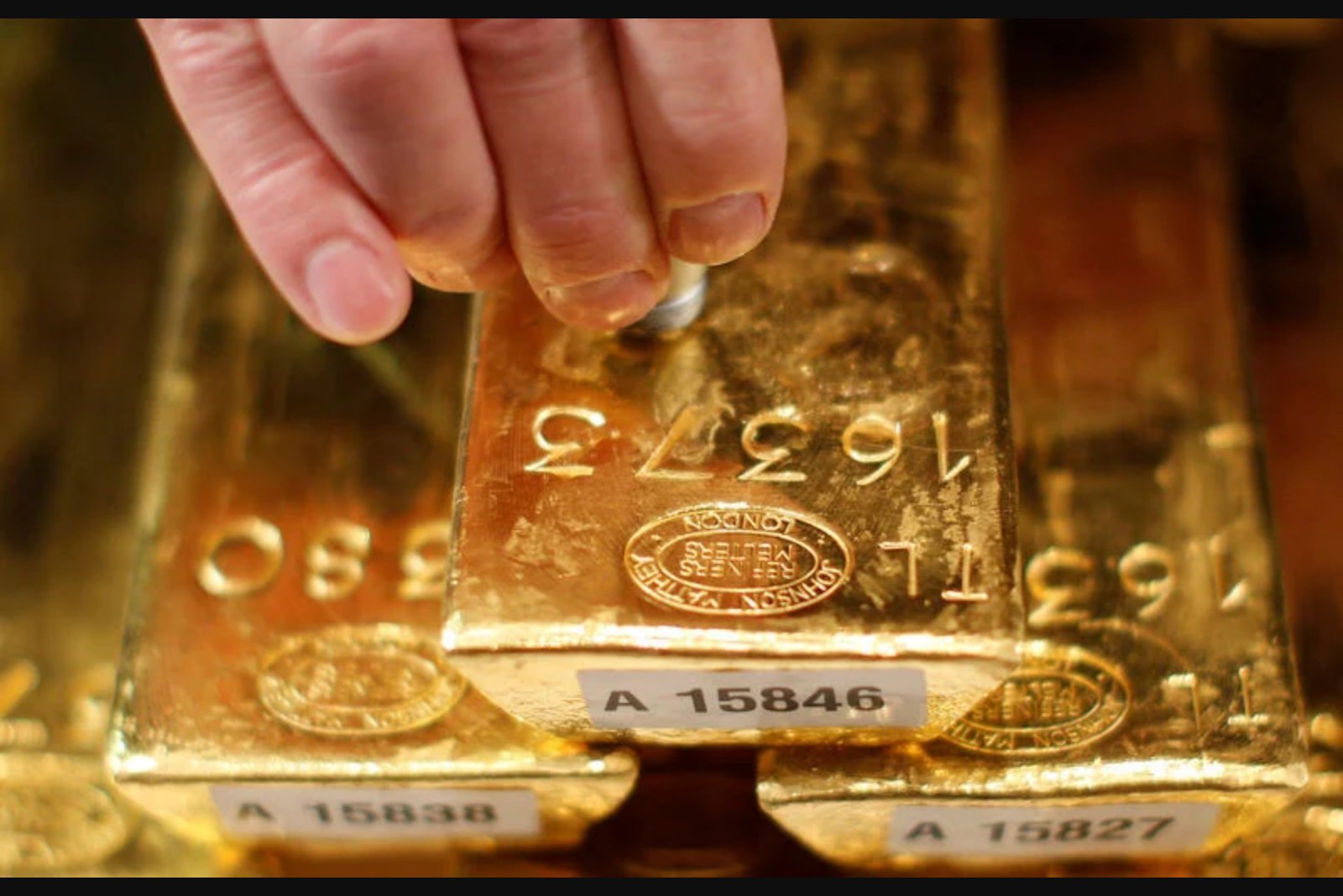
Gold prices were essentially flat in Asian trading on Wednesday as investors held back from making significant directional bets ahead of the U.S. Federal Reserve's policy announcement later in the day. By 23:32 ET (03:32 GMT), spot gold was down 0.1% at $4,025.38 an ounce, while U.S. gold futures slipped 0.4% to $4,023.10.
The metal had dropped by more than 1% in the previous session, pressured by a firmer U.S. dollar. On Wednesday the U.S. Dollar Index eased 0.1%, but it remained close to a one-month high, a level that tends to make dollar-priced gold costlier for overseas buyers.
Market participants widely expect the Federal Reserve to leave interest rates unchanged at the end of its two-day meeting later on Wednesday. According to the CME Group's FedWatch Tool, traders are pricing in no rate move, with attention turning to comments from Fed Chair Kevin Warsh for signals on when policy easing might become a prospect. Higher-for-longer interest rates are typically a headwind for gold because they raise the opportunity cost of holding a non-yielding asset.
Geopolitical developments also factored into market sentiment. The U.S. Central Command said Iran launched ballistic missiles at U.S. forces in the Middle East and that all were intercepted. Iraq's Iran-aligned Popular Mobilization Forces said that U.S. and Saudi forces carried out airstrikes on its headquarters across several Iraqi provinces. Separately, Saudi Arabia reported it intercepted drones launched from Iraqi territory that it said were targeting oil infrastructure, and it attributed the drone strikes to Iran-backed militias.
Those incidents broke a four-day pause in direct exchanges between Washington and Tehran and increased the perception of a higher risk of renewed escalation following a brief period of diplomatic easing. The heightened tensions corresponded with a sharp rebound in oil, which climbed more than 4% on Wednesday.
"Higher oil prices amid a re-escalation in the Middle East will weigh on gold in early morning trading, reigniting inflation concerns," ING analysts said in a note, linking the energy price move to potential renewed inflationary pressure.
Traders are also watching upcoming U.S. economic releases this week for additional guidance on the path for interest rates. Key data include the personal consumption expenditures price index and the July payrolls report, both of which could influence market expectations for future monetary policy moves.
In other precious metals, silver rose 0.6% to $57.49 per ounce and platinum fell 0.5% to $1,598.60 per ounce. Base metals showed modest weakness: benchmark copper futures on the London Metal Exchange were down 0.3% at $13,643.33 a ton, while U.S. copper futures slipped 0.3% to $6.32 a pound.
Market participants described a cautious tone across commodities as they balanced immediate geopolitical risk against the policy backdrop set by the Federal Reserve and upcoming U.S. economic data. The combination of a still-strong dollar, the prospect of sustained higher interest rates, and a sudden rise in oil prices created a complex environment for precious and industrial metals alike.