
Iran is expected to take delivery within weeks of the first tranche from a broader purchase of shoulder-fired air-defence missile launchers, according to three people familiar with the transaction. The contract covers the acquisition of between 300 and 400 man-portable air defence systems, including Chinese-made QW-12 and FN-16 missiles, and is valued at roughly $60-70 million.
The agreement was signed with Zhongqing Baoshang International Investment, a Hong Kong-based company that sources say acted as an intermediary between the Iranian buyers and the Chinese supplier. The sources spoke on condition of anonymity because of the sensitivity of the matter.
Delivery plan and logistics
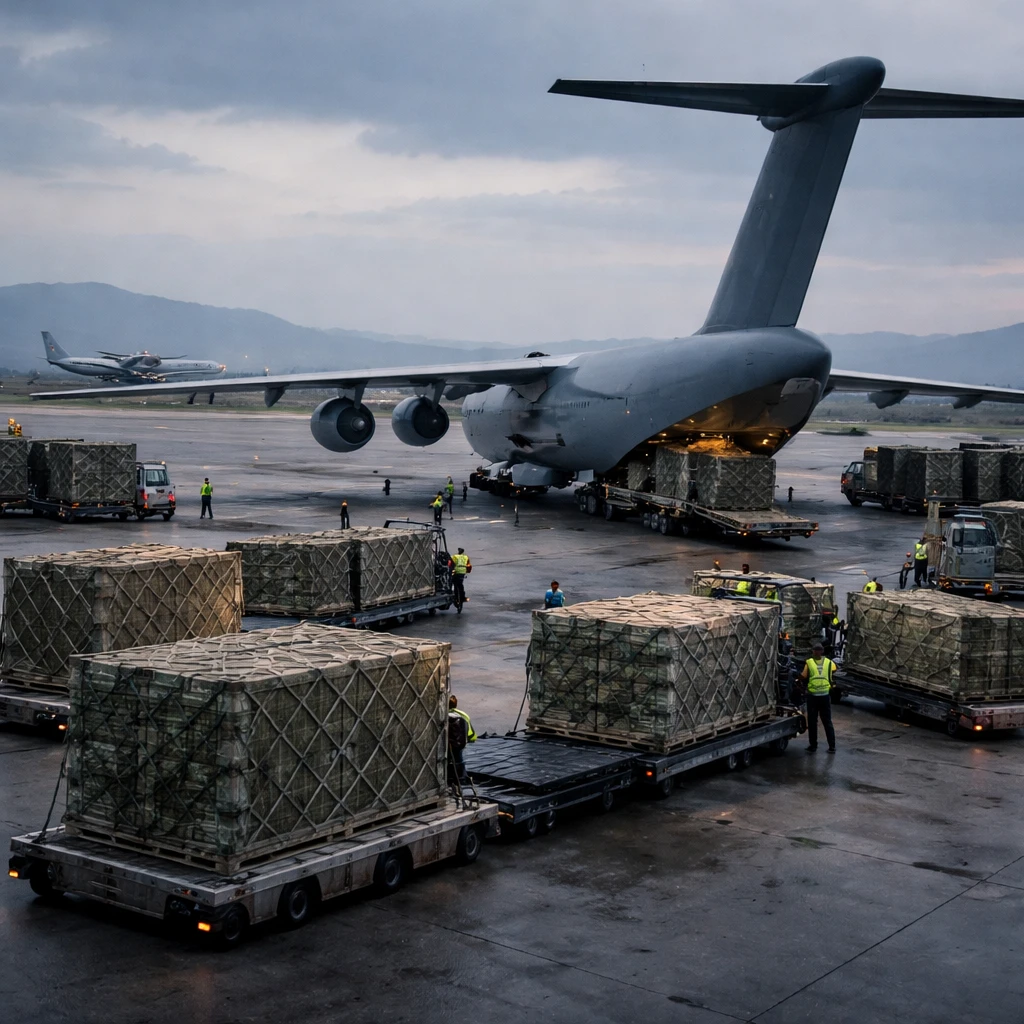
Under the arrangement laid out by the parties, initial shipments will move by air from Urumqi in western China and then transit through Pakistan before arriving in Iran, the sources said. They did not specify whether cargo movements through Pakistan would continue by air or switch to overland transport once inside Pakistani territory.
Separately, two Western intelligence sources and an Iranian official told the same parties that Tehran has explored the use of overland routes for Chinese military supplies and dual-use components to move materiel more discreetly and reduce the risk of disruption. The sources noted there are ongoing talks about potential land corridors for future deliveries, but stressed that implementation details could still change.
Pakistan's military public relations wing ISPR issued a categorical denial, calling suggestions that Pakistan was involved in the supply of air-defence weapons from China to Iran "absolutely concocted and false." A spokesperson for the Pakistani Foreign Ministry did not respond to requests for comment.
Official responses and denials
China's Foreign Ministry issued a statement saying the relevant reports were "completely groundless," adding that China has consistently worked to promote peace and end the conflict. Zhong Qing Bao Shang Group, the parent company of the Hong Kong intermediary named in the contract, did not immediately respond to an email seeking comment.
The sources emphasized that, despite a signed agreement, delivery schedules, quantities and other implementation details could change as the parties work through logistics and operational challenges.
Operational rationale and capabilities
The acquisition would represent one of Tehran's largest-known efforts to bolster short-range air-defence capabilities since the onset of its conflict with the United States and Israel. Iranian facilities tied to missiles, drones and air-defence programmes have been struck during months of fighting. Tehran has responded with barrages of ballistic missiles and drones.
Man-portable air-defence systems are prized for their mobility. Shoulder-fired, infrared-guided systems such as the QW-12 and FN-16 are designed to engage low-flying aircraft, helicopters and drones. Their portability allows them to be dispersed quickly, operated by small teams and relocated frequently, making them less vulnerable than fixed batteries defending static military and strategic sites.
Defense analysts regard the QW-12 as less capable than newer QW variants, including QW-18 and QW-19, yet they add that QW-12 and FN-16 systems can still provide an effective layer of short-range protection against drones and other low-altitude targets.
Wider security and procurement context
European and Middle Eastern security sources said authorities were aware of several contracts under discussion for potential QW-series MANPADS sales to Iran, including QW-12, QW-18 and QW-19 systems. One Middle Eastern source said Iran had been seeking QW-12 and QW-18 missiles, but was not aware that a deal had already been finalized.
The procurement underscores Iran's continuing reliance on a combination of domestic production and foreign suppliers despite years of sanctions and restrictions on defence-related imports. Earlier reporting noted talks between Tehran and Beijing over other systems, including potential anti-ship cruise missiles, though it remained unclear whether those negotiations led to a concluded agreement.
Conflict dynamics and immediate environment
The conflict that prompted the procurement has highlighted the difficulty of defending fixed targets against precision-guided weapons and advanced aircraft. Washington abruptly suspended two weeks of bombardment on Saturday, but President Donald Trump said strikes would resume if negotiations failed to end the five-month-old conflict, which has nominally been in a state of ceasefire since April.
Sources cautioned that the size and timing of deliveries could yet shift. They also highlighted the sensitivity of transit routes and the potential operational trade-offs between airlift speed and the lower profile of overland movements.
What remains uncertain
While the agreement for 300-400 systems has been signed, the sources reiterated that implementation is not final. Questions remain over whether planned transits through Pakistan will be limited to air corridors or include road movements, whether quantities and delivery timetables could be adjusted, and whether additional contracts underway will reach completion.
For now, the expected arrival of the initial shipment in the coming weeks would materially increase Iran's inventory of short-range air-defence weapons and illustrate deepening military ties between Iran and Chinese suppliers, provided the timetable and routes proceed as described by the sources.