
The spread of artificial intelligence across industries is provoking an increasingly vocal reaction from young people entering the labor market, who are expressing fear and frustration about what they see as an accelerating threat to jobs and daily life.
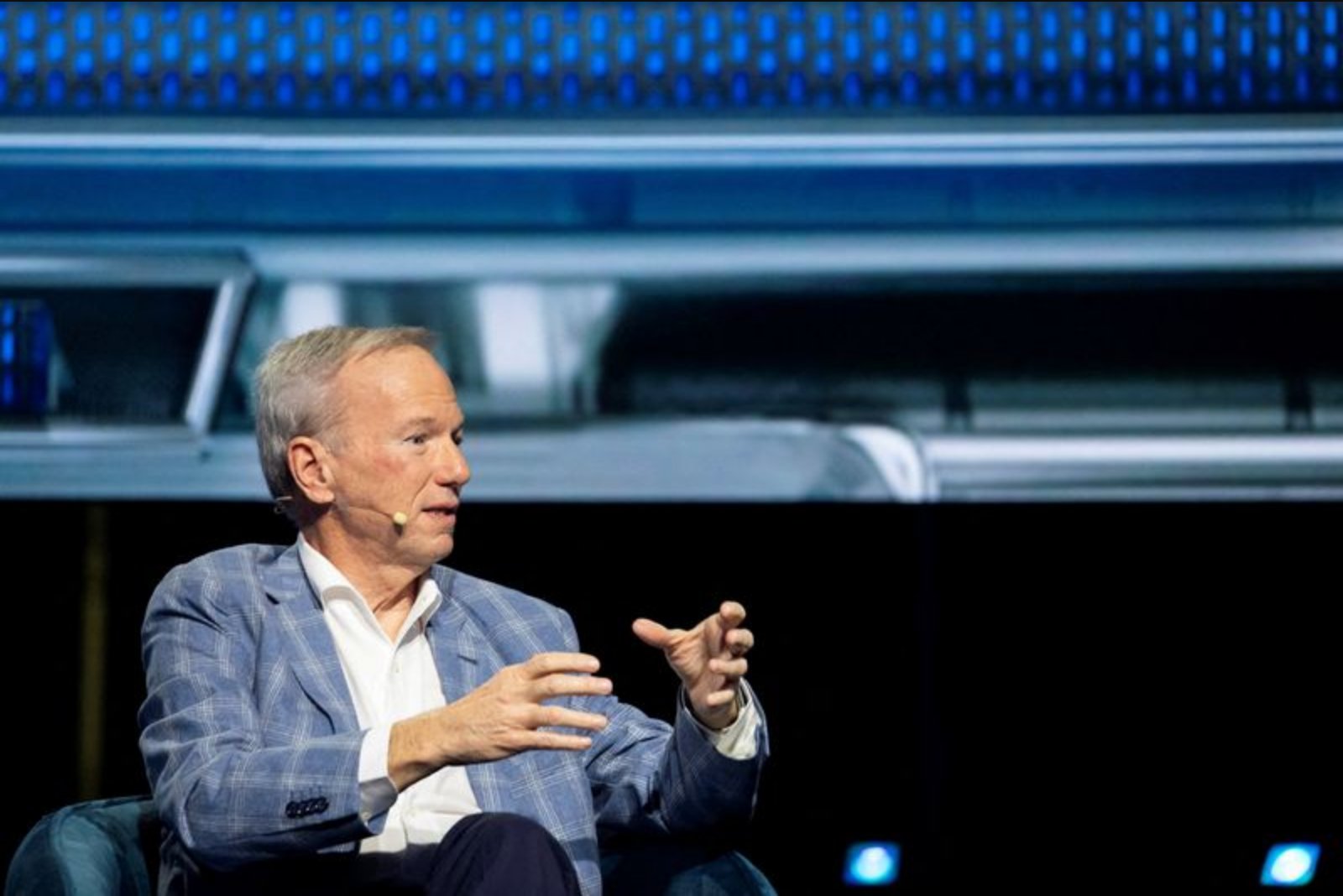
During a recent commencement address, former Google chief executive Eric Schmidt warned graduates that the effects of AI would be "larger, faster, and more consequential" than prior technological shifts. "It will touch every profession, every classroom, every hospital, every laboratory, every person, and every relationship you have," he said. Even as he acknowledged anxieties about job security and an uncertain future, his remarks were met with boos from the audience.
The backlash has been reinforced by concrete corporate actions. On Tuesday, Standard Chartered announced plans to cut more than 7,000 jobs and to replace what it described as "lower-value human capital" with AI. Several technology firms have also reduced personnel while citing AI adoption as a driver of change. Meta is reported to be installing tracking software on U.S.-based employees' computers to train its AI model and is planning to lay off 10% of its workforce globally starting this month. Amazon.com has eliminated roughly 30,000 corporate positions in recent months as it pursues AI-driven efficiency, and in February fintech firm Block reduced nearly half of its staff.
Beyond corporate restructuring, geopolitical tensions are having an effect on hiring. The Iran war is mentioned as a factor that is also softening recruitment, adding another layer to workforce uncertainty.
Even as executives frame AI-driven change as inevitable and something to adapt to, signs of organized and popular pushback are appearing across regions and sectors. Legal challenges have emerged in China, unions are mobilizing at South Korean automakers, Hollywood writers and parts of India's film industry have staged opposition, and student audiences in the United States have publicly voiced displeasure during commencement speeches.
Polling data underscore the depth of unease among younger adults. An April Gallup report found an increase in the number of Generation Z respondents who feel anxious or angry about AI, while the share who said they were hopeful or excited about the technology fell sharply compared with a year earlier. The survey results showed that nearly half of respondents said the risks of AI outweigh the benefits, while only 15% said it was a net positive. The report's authors noted that "negative emotions have intensified over the past year" and that usage of AI tools was beginning to plateau.
Gallup's analysis also highlighted a correlation between experience with AI and sentiment: views became more positive with higher levels of usage and less positive among those who used it less. Nevertheless, many of the young adults surveyed said that although being AI-savvy was necessary, they felt the technology hindered deeper learning and creativity. The report concluded that "young adults in the workforce are significantly more likely to view AI as a risk than a benefit."
Public demonstrations of discontent have occurred at multiple campuses. On May 8 at the University of Central Florida, a real estate executive, Gloria Caulfield, was heckled and booed while delivering a commencement speech. Speaking of the technology, she said: "The rise of artificial intelligence is the next industrial revolution." Her words prompted boos and then cheers, reflecting a divided audience reaction. A similarly chilly reception greeted Eric Schmidt at the University of Arizona.
As companies press ahead with AI programs and restructuring, and as younger workers express stronger negative emotions about the technology, the tension between corporate adoption of AI and public acceptance appears likely to shape discussions about work, learning and policy in the near term. How employers, educators and young professionals respond to those concerns will determine whether adaptation reduces the level of visible backlash.