
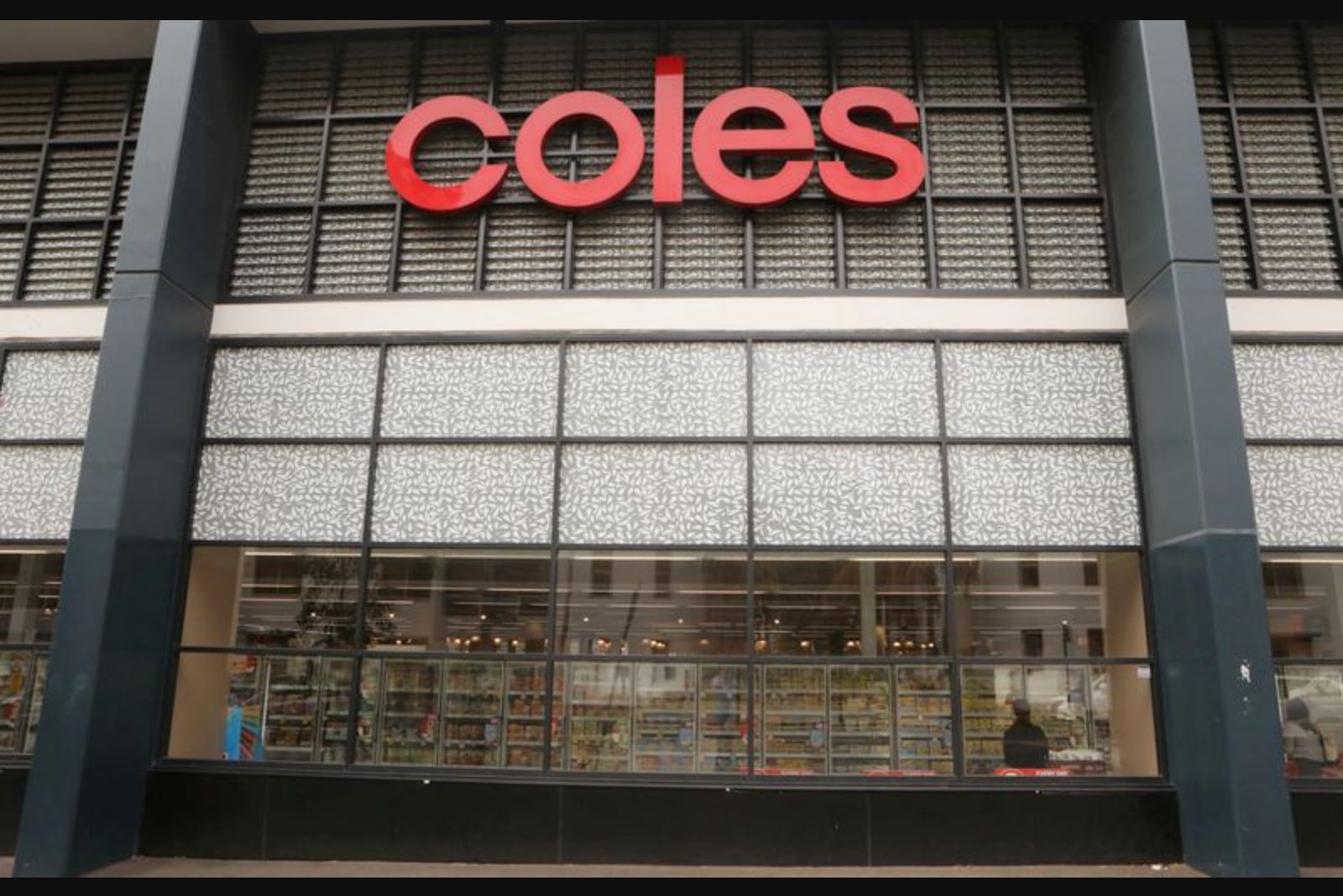
The Australian Competition & Consumer Commission (ACCC) confirmed on Friday that Coles and Brownes Foods Operations each paid A$39,600 after receiving infringement notices relating to their milk supply arrangements and pricing disclosures.
According to the ACCC, Coles published two supply agreements for milk that required exclusive supply to the retailer while also containing clauses that capped production volumes. The regulator did not identify the other parties to those agreements in its announcement.
In a separate finding, the ACCC said that Brownes failed to clearly specify minimum prices across the full supply period in two of its agreements, and did not set out or justify the reasons for those minimum prices within those contracts.
The regulator highlighted the particular concern with volume caps included in exclusive milk contracts. It said such caps are troubling because they have the effect of suppressing farmers' output while preventing those same producers from selling to alternative processors - a structure the ACCC views as limiting farmer options in the market.
The enforcement action came shortly after a court ruling last week that found Coles had misled consumers by increasing prices on hundreds of products and then promoting discounts that nonetheless remained higher than previous sale prices.
The ACCC statement included the currency reference used in the notices - $1 = 1.4008 Australian dollars - when noting the A$39,600 fines paid by the two companies.
No additional companies or counterparties were named by the regulator in relation to the published Coles agreements, and the ACCC did not provide further detail on the exact contractual terms beyond its characterization of exclusivity and volume caps. Similarly, the regulator's comments on Brownes focused on the lack of clear minimum pricing language and the absence of justification for those minima in two contracts.
Contextual note - The ACCC framed the issues as concerns about market structure and transparency in supply contracts, particularly where contract design can influence farmers' ability to sell their milk to multiple processors or achieve clear, justified pricing through the term of a supply agreement.