
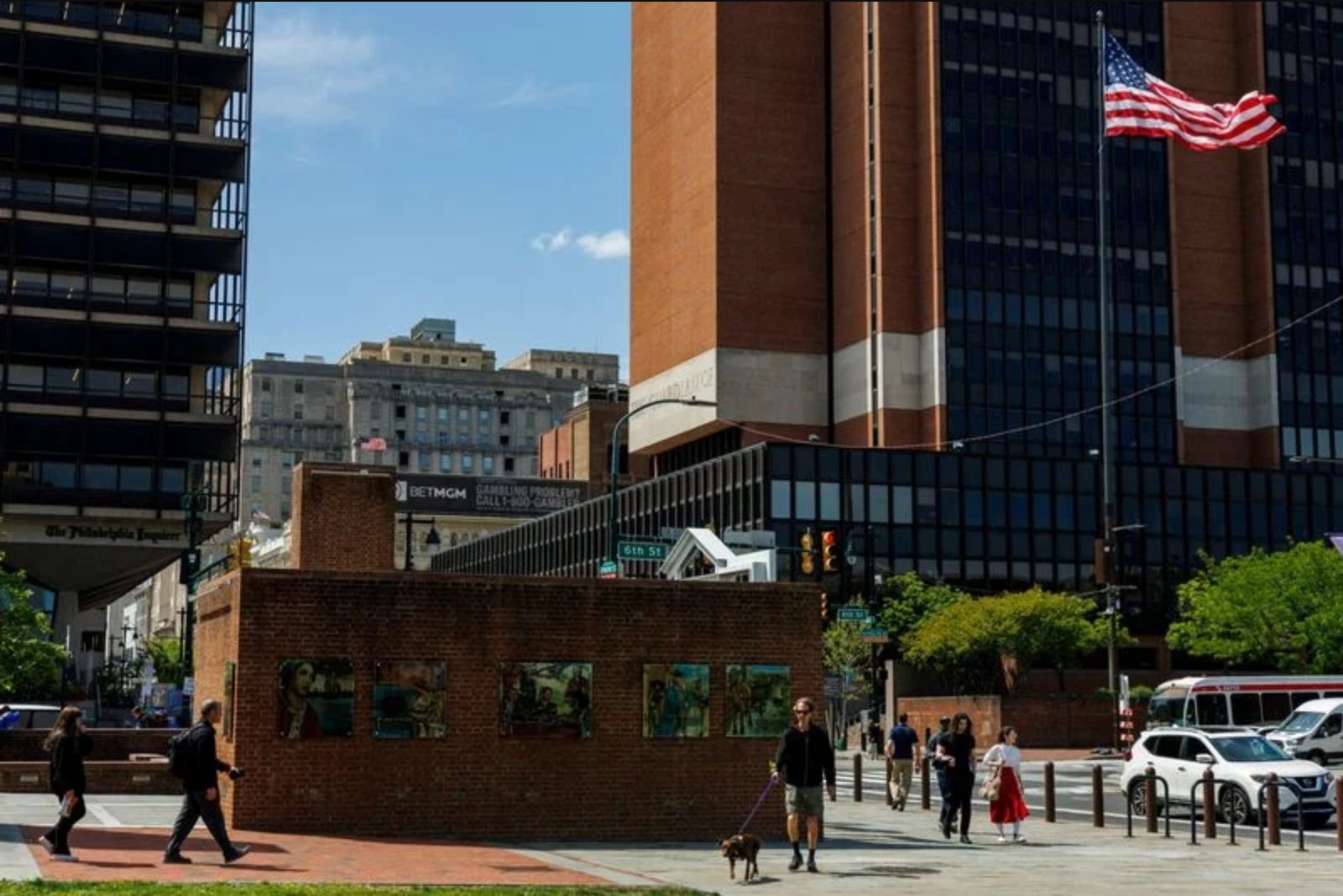
Summary: A three-judge panel of the 3rd U.S. Circuit Court of Appeals has set aside a district court injunction that prevented the National Park Service from replacing an exhibit about enslaved people at the President's House within Independence National Historical Park in Philadelphia. The panel ruled the exhibit's removal did not amount to an "agency action" subject to review under the federal Administrative Procedure Act. At the same time, a separate federal judge in Boston issued an order that could require the return of exhibits removed from national park sites nationwide and declined to stay that order while the administration appeals.
The dispute centers on an exhibit that described the ownership of enslaved people by George Washington, the first U.S. president, which had been displayed at the President's House, the name used for the site within Independence National Historical Park. The exhibit was taken down after President Donald Trump signed an executive order last year aimed at addressing what he characterized as a "revisionist movement" portraying the United States as "inherently racist, sexist, oppressive or otherwise irredeemably flawed."
Following the president's directive to the Interior Department to make changes across parks, the National Park Service removed an exhibit in January that recounted the lives of nine enslaved people who had lived at Washington's house. The city of Philadelphia, led by Democratic officials, filed suit contending the National Park Service breached agreements that required the city to be consulted on alterations and on matters of importance to the park. U.S. District Judge Cynthia Rufe agreed with the city and entered an injunction in February preventing the administration from replacing the exhibit while the litigation proceeded.
On Thursday the 3rd U.S. Circuit Court of Appeals reversed that injunction. Writing for the panel, U.S. Circuit Judge Thomas Hardiman concluded the Park Service's removal of the display did not constitute an "agency action" as defined by the Administrative Procedure Act and therefore was not subject to judicial review under that statute. Hardiman noted the Park Service has proposed replacement panels that he described as "full of historical context," which would continue to discuss the nine enslaved people at the President's House while also noting Washington's expressed desire to see slavery abolished.
"They acknowledge the evil of slavery, including its injustices and hypocrisies, and, by telling the story of the nine slaves that Washington kept in the President's House, remind us of their essential humanity," Hardiman wrote.
An Interior Department spokesperson issued a brief comment following the appeals court decision, saying simply: "Trust in Trump." The city of Philadelphia's press office did not immediately respond to a request for comment.
Although the 3rd Circuit overturned the district court's injunction, the fate of the original exhibit remains in flux because of a separate federal order. U.S. District Judge Angel Kelley in Boston issued a ruling on Friday requiring that all exhibits removed from national park sites nationwide pursuant to the president's directive be restored. After the 3rd Circuit issued its decision, Judge Kelley declined to pause her nationwide injunction while the administration seeks to appeal.
The overlapping rulings mean the administration may be legally permitted under one federal appellate decision to alter or replace the exhibit at the President's House, while another federal order could compel restoration of removed displays across park sites pending further appellate review. The differing outcomes highlight ongoing litigation over the scope of executive direction and the procedural standards that govern changes to historic park exhibits.
What happens next:
- The National Park Service may proceed with plans to install replacement panels at the President's House, per the 3rd Circuit's determination that the removal was not reviewable under the Administrative Procedure Act.
- Simultaneously, the nationwide injunction ordered by the Boston judge remains in effect because she declined to stay her order pending appeal, which could require restoration of exhibits removed under the president's directive.
- Further appeals and potential appellate coordination may determine whether the removal, replacement, or restoration of such exhibits will be ultimately allowed to stand.
The legal developments leave open practical and procedural questions about how the National Park Service implements exhibit changes and how agreements with local authorities will be enforced when federal directives prompt alterations at historic sites.