
Economy June 29, 2026 09:06 PM

Yen Slides to 40-Year Low Amid Intervention Fears and U.S. Data Awaited

Japanese currency hits 162.27 per dollar as traders bet on Tokyo action while U.S. rate expectations remain firm.

By Priya Menon
Share
Twitter Reddit Facebook LinkedIn

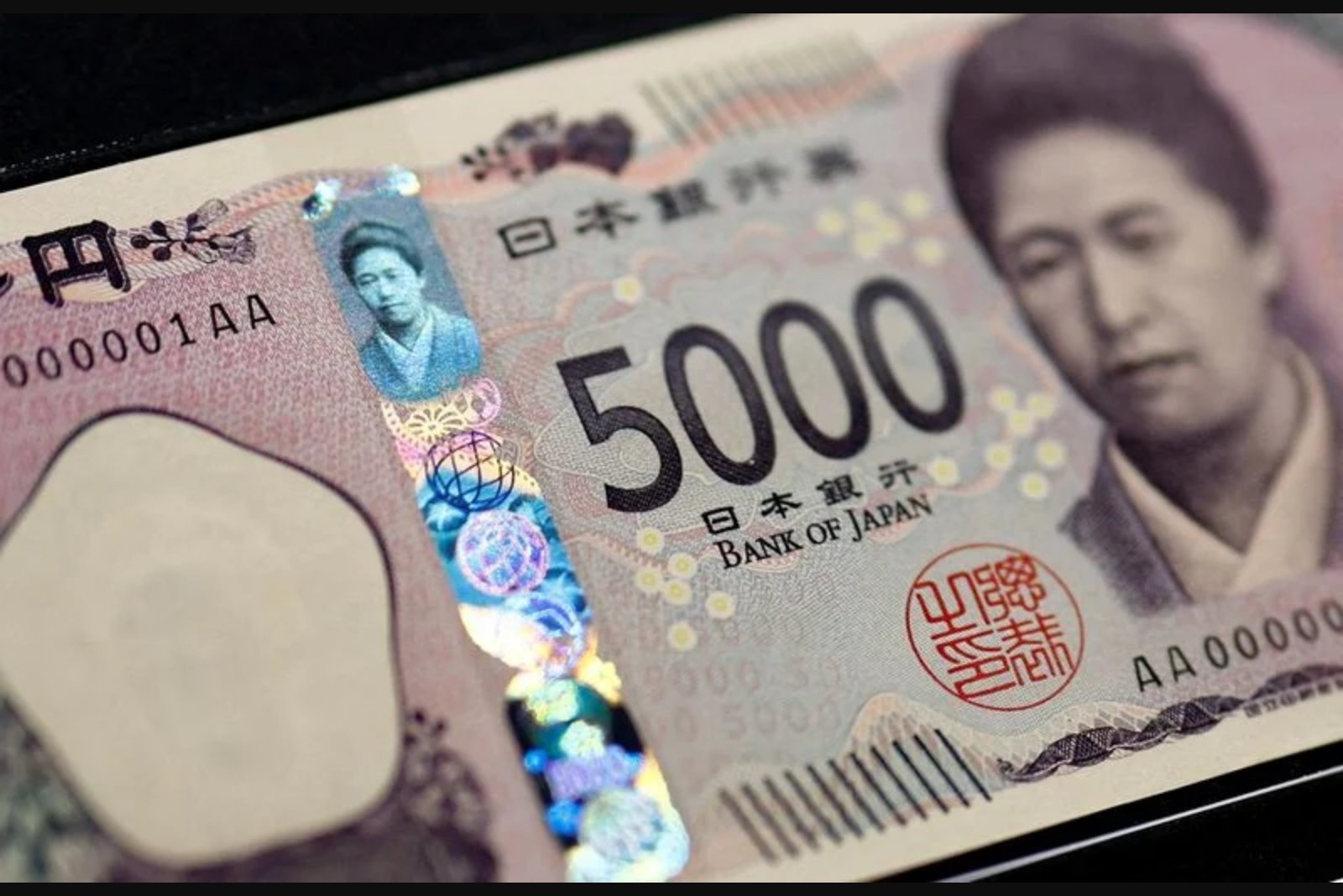
The Japanese yen has plunged to a 40-year low against the U.S. dollar, reaching 162.27 in early trading, sparking intense speculation about imminent foreign exchange intervention by Tokyo. This decline marks the second consecutive quarter of significant depreciation for the yen and extends a broader downward trend that began in 2022. While Japanese authorities have previously stepped in to stabilize the currency, the persistent weakness is largely attributed to the wide interest rate differential between the two nations, exacerbated by geopolitical tensions in the Middle East. Market participants are now closely monitoring upcoming U.S. employment data, which could influence Federal Reserve policy and subsequently impact the dollar's trajectory and the yen's recovery prospects.

Yen Slides to 40-Year Low Amid Intervention Fears and U.S. Data Awaited
Summarize with
ChatGPT Perplexity Claude Grok Gemini

Key Points

  • The yen has weakened to 162.27 per dollar, a 40-year low, driven by the wide interest rate differential between Japan and the U.S., geopolitical inflationary pressures from the Iran conflict, and sustained speculative short positions totaling $11.3 billion.
  • The Japanese currency is set for a second consecutive quarter of nearly 2% decline, extending a pattern of losses that began in 2022, while Tokyo has previously intervened with 11.7 trillion yen in efforts to stabilize the currency.
  • Market expectations are heavily influenced by upcoming U.S. employment data, with a 63% probability of a Federal Reserve rate hike by September, which could further strengthen the dollar and test Japanese intervention thresholds.

The Japanese yen found itself under severe pressure on Tuesday, trading at levels not witnessed since 1986 and reigniting concerns that Japanese authorities may intervene directly to support the currency. As the yen weakened to 162.27 per dollar in early trading sessions, market focus shifted rapidly to the Ministry of Finance (MOF) and the Bank of Japan for potential countermeasures. This sharp depreciation comes as the U.S. dollar stepped back from 13-month highs, creating a brief window of volatility ahead of critical U.S. jobs data that will likely shape the outlook for American interest rates.

The yen is currently poised for a nearly 2% decline against the dollar for the second quarter. This marks the fourth consecutive quarter of losses for the Japanese currency, a streak last seen in 2022 when the yen fell for seven straight quarters. The primary driver behind this sustained weakness is the persistent and wide interest rate gap between the two economies, which continues to drag on the yen's value. Despite previous interventions by Tokyo worth 11.7 trillion yen, equivalent to approximately $72.25 billion, and recent rate hikes implemented by the Bank of Japan, the currency has largely shrugged off these efforts.

Geopolitical developments, particularly the conflict involving Iran, have further complicated the landscape. The war has stoked inflationary worries globally and derailed the broader international rates outlook, adding to the pressure on the yen. Speculators have also grown more emboldened, steadily rebuilding their net short positions on the Japanese currency. The most recent weekly data from a U.S. regulatory body shows short positioning in the yen has reached $11.3 billion, a level near the highest seen in two years.

"It’s a question of when, not if, the Ministry of Finance (MOF) intervenes again to support the yen," said Carol Kong, currency strategist at Commonwealth Bank of Australia. "However, any intervention is unlikely to reverse the broader uptrend in USD/JPY. We forecast USD/JPY to keep rising to 164 by early 2027," Kong added.

While interventions in late April and early May provided a temporary boost to the yen, the currency quickly returned to pressure as traders began pricing in potential rate hikes from the U.S. Federal Reserve later this year. This dynamic sharpens the focus on Thursday's U.S. jobs report for June. Three consecutive months of stronger-than-expected payroll gains have reinforced the Fed's hawkish stance, leading traders to price in a 63% probability of a rate hike by September.

Market analysts note the difficult position of Japanese officials. "(Japan’s) MOF will intervene if they can, but they can’t, as they know they’re currently swimming against the tide of a hawkish Fed," explained Matt Simpson, senior market analyst at StoneX. "But we did see them swing into action after a soft US inflation report in July 2024. So if US data throws a surprise gift for Fed doves this week, the MOF could burst into action with momentum of a weaker US dollar on their side," he said. "Until then, it’s likely just talk."

Risks

  • Persistent intervention challenges: Japanese authorities may struggle to effectively support the yen as long as the Federal Reserve maintains a hawkish monetary policy, potentially limiting the impact of future interventions and leaving the currency vulnerable to further depreciation.
  • Geopolitical inflation exposure: Ongoing conflicts, such as the war in Iran, continue to fuel global inflationary expectations and disrupt international rate outlooks, creating an unfavorable environment for interest rate-sensitive currencies like the yen.
  • Speculative pressure accumulation: With short positions on the yen near two-year highs at $11.3 billion, traders could exacerbate currency volatility and delay any stabilization efforts, particularly if U.S. economic data continues to support higher American interest rates.

More from Economy

Trump Urges Gasoline Retailers to Slash Prices Amid Market Volatility Jun 29, 2026 Financial Institutions Shift Focus to South Korea Amid Cooling Appetite for China and India Jun 29, 2026 UK Food Price Inflation Cools to Fresh Levels Amid Summer Deals, BRC Data Reveals Jun 29, 2026 Coalition of States Challenges Federal Medicaid Work Rules in Federal Court Jun 29, 2026 Factbox-Top cases on the US Supreme Court’s docket Jun 29, 2026