
Panama City - The United States has the capacity to maintain a naval blockade of Iran for an extended, potentially indefinite period, Defense Secretary Pete Hegseth said on Thursday, noting that vessels can be rotated in and out of the region to sustain operations.
Speaking to reporters after he addressed the crew of the USS Gridley - a guided-missile destroyer that had earlier deployed to the Middle East - Hegseth said the Navy can preserve the blockade over time through routine ship rotations. "Indefinitely the United States Navy can maintain a blockade like that because we’ll rotate ships in and out, as we have, and we’ll continue to," he said.
Hegseth's comments were made in the context of ongoing efforts to apply economic pressure on Iran amid a conflict that began in February. The statements indicate the Defense Department's assessment that U.S. forces can continue applying maritime pressure while shifting individual assets as needed.
President Donald Trump has publicly asserted U.S. control over the strategic maritime passageways in the region. On his Truth Social platform he wrote: "The U.S.A. has total control over the Strait of Hormuz. I THINK WE WILL KEEP IT! Our Naval Blockade is being called, by everyone, "A WALL OF STEEL," and there is nothing Iran can do about it."
The conflict began in February with U.S.-Israeli strikes on Iran on February 28. Following those strikes, Tehran effectively shut the Strait of Hormuz - a passage through which a fifth of the world’s oil and liquefied natural gas was previously shipped. In response, the United States imposed a naval blockade on Iranian shipping and ports while saying it would safeguard freedom of navigation for vessels traveling to and from non-Iranian ports.
Since the war started, Washington has sent tens of thousands of troops to the Middle East and committed a significant naval presence. Officials say the U.S. has deployed more than 20 warships to the region.
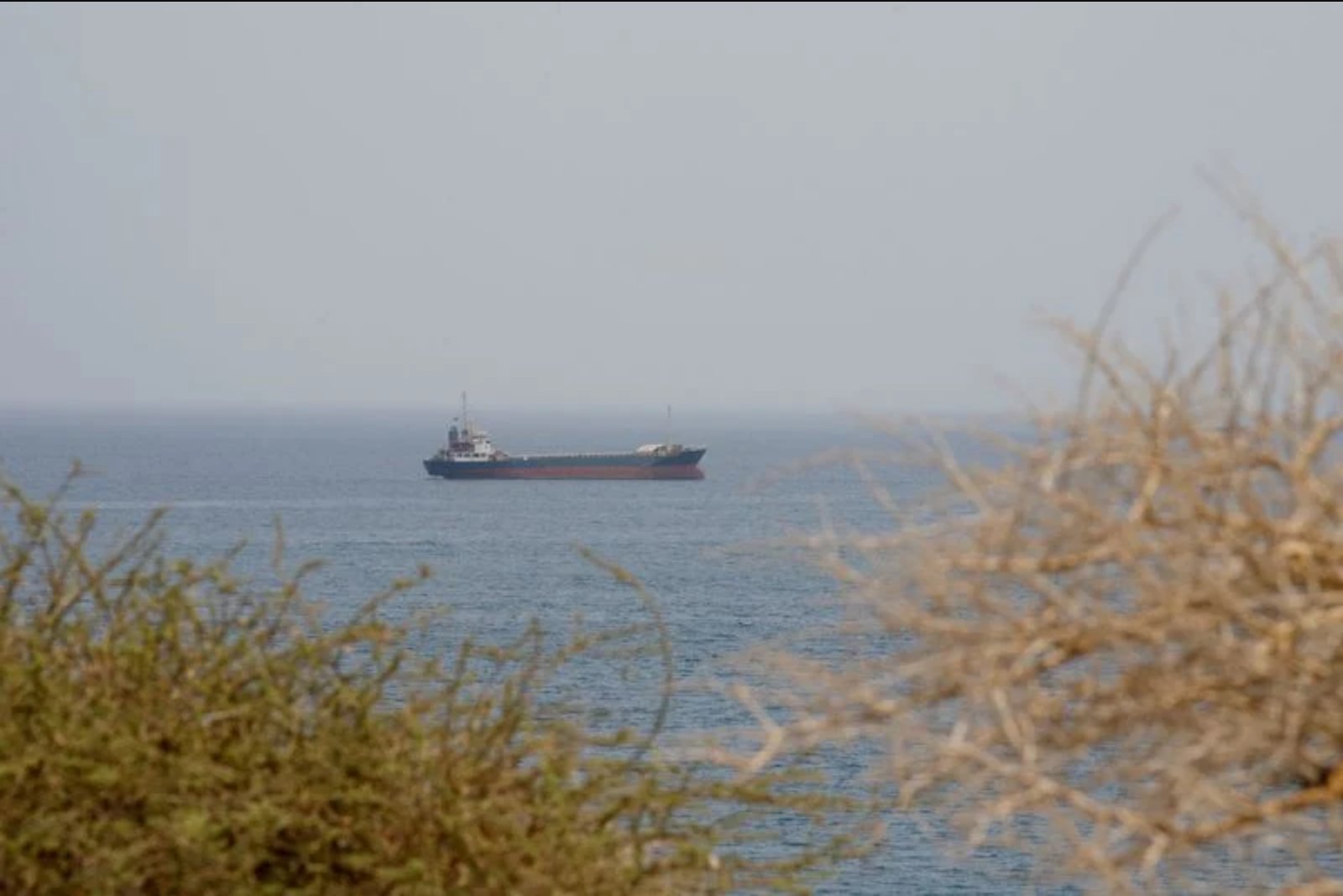
Operational enforcement of the blockade has included direct actions against commercial vessels attempting to breach it. Military authorities report that since the blockade began they have redirected more than 55 commercial ships, disabled three vessels and boarded two. In one instance earlier this week, military officials said a U.S. Navy MH-60 helicopter fired two Hellfire missiles into the engine room of a Panama-flagged ship after the vessel ignored warnings from U.S. forces.
Context and implications
The Defense Department's position, as articulated by Hegseth, rests on the ability to sustain force posture through rotation of ships rather than continuous deployment of the same units. The administration has framed the maritime posture as both a pressure mechanism on Iran and as a means to protect shipping that is not destined for Iranian ports.
Public remarks from senior leaders and recorded incidents at sea underline a period of heightened maritime enforcement and military activity in the region. The reported redirection and disabling of commercial vessels and the helicopter strike on an engine room are examples of enforcement measures the U.S. has employed in connection with the blockade.
For observers and market participants, the central facts are that U.S. officials say they can maintain the blockade through rotating assets; that the Strait of Hormuz remains a focal point after being effectively shut by Tehran; and that U.S. forces have intervened directly against commercial shipping attempting to run the blockade.