
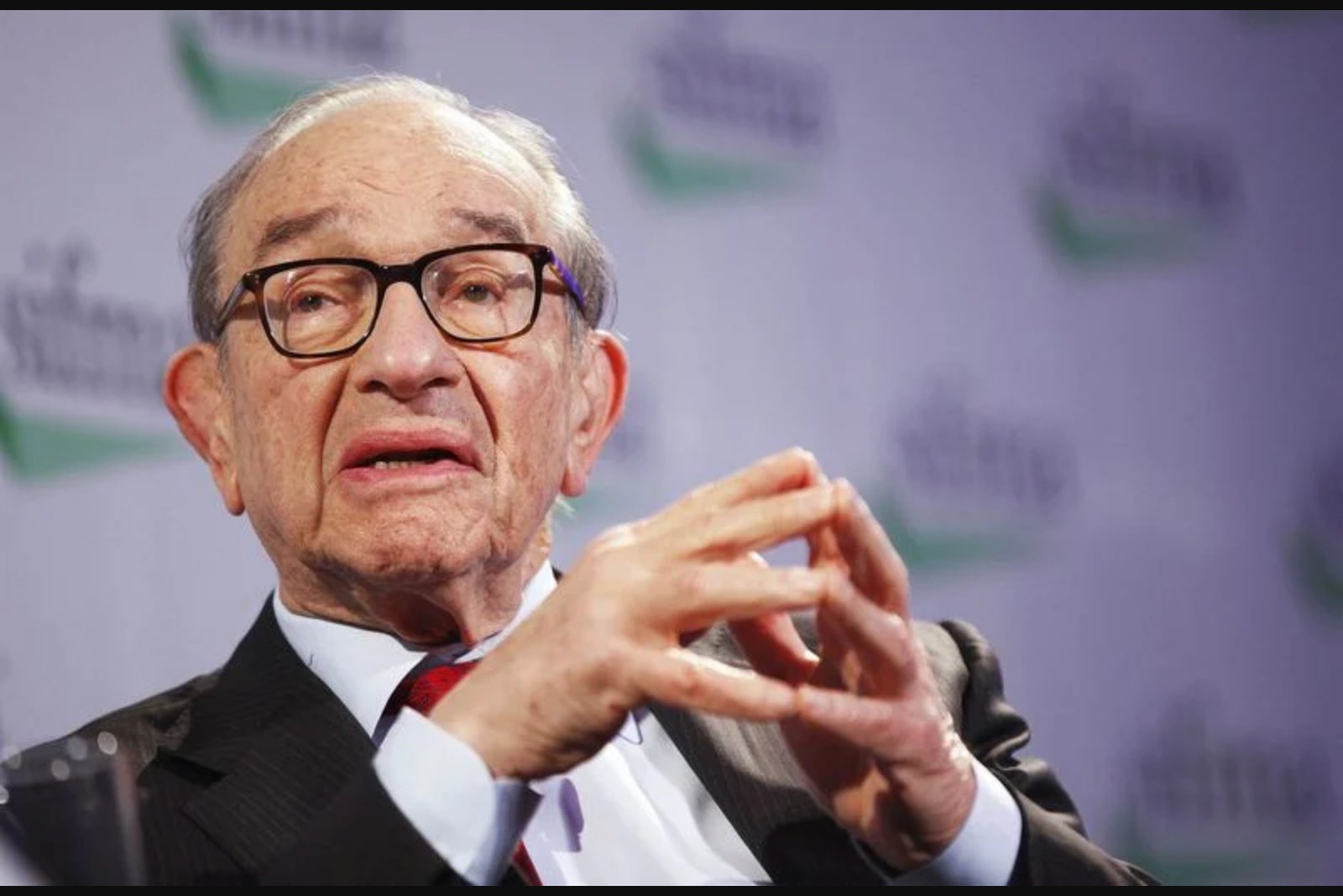
Kevin Warsh’s first weeks as Federal Reserve chairman have revived one of the central banking playbooks most associated with the late Alan Greenspan - a preference for restraint in public commentary, faith in markets to process information, and a restrained conception of the Fed’s proper role. That strategy, which supporters credit with helping sustain low inflation and steady growth during Greenspan’s long tenure, is being put into practice as Warsh pares back elements of the post-crisis regulatory and communications framework.
Greenspan, who died on Monday at age 100 from complications of Parkinson’s disease, was frequently held up as a near-mythic figure in central banking circles. Warsh invoked Greenspan repeatedly during his May 22 swearing-in ceremony - citing him four times - and has explicitly adopted several habits of mind and tactics associated with the former chairman.
Those tactics include a diminished appetite for offering detailed forward guidance. Warsh argues that an overly explanatory Fed risks constraining policymakers and depriving markets of a primary informational input - market reactions to data - that he says can be more efficient when left unobscured by anticipatory central-bank commentary. At his opening press conference he put the point bluntly: "Financial markets perform best when they react to incoming data. I think the financial markets work less efficiently when they ask a question. How will the Federal Reserve react to that incoming information?"
Warsh continued: "When all the financial markets are doing is reflecting back what we’ve said, then we’re taking the most important source of information and we’re being blind to it. I’d like us to create a system where those blinders come off, where markets are following data that they efficiently think is reliable."
The first policy statement issued under Warsh removed much of the explicit guidance that had become common and returned to a shorter format. That formatting change encapsulates a larger preference to allow households, businesses and investors - rather than the Fed - to take the lead in allocating resources, consistent with a narrower view of central-bank intervention that Greenspan often espoused.
But the Greenspan era is also remembered for its blind spot. While Greenspan could "dazzle and puzzle" by teasing insights from obscure data series, as Brookings Institution Senior Fellow Donald Kohn - a top Fed staffer under Greenspan and later the Fed’s vice chair - observed in an appreciation published on Monday, that intellectual agility did not always translate into regulatory caution.
Kohn noted that although Greenspan recognized rapid price gains in some local housing markets, he was skeptical of a nationwide bubble and did not use his public platform or regulatory authority to shore up resilience ahead of the crisis. The failure to act on those signals contributed to a vulnerability that became evident when turmoil in the U.S. subprime mortgage market cascaded through the global financial system shortly after Greenspan left office. In congressional testimony after the crisis, Greenspan acknowledged "a flaw" in his thinking about the rationality and efficiency of markets.
The policy response to that crisis included a significant expansion of regulation, most notably the Dodd-Frank reforms. Those measures compelled banks to hold larger capital buffers, develop resolution plans, and submit to greater supervision so that institutions would not be considered so big that they could not be allowed to fail - reducing the likelihood of taxpayer-funded rescues.
Now, elements of that post-crisis architecture are being reassessed. Under Fed Vice Chair for Supervision Michelle Bowman some measures have been loosened, and Warsh has signaled an intention to trim the Fed’s imprint where he believes it can be safely narrowed. How far that retrenchment should go - particularly in the one area Greenspan admitted he mishandled - is an open question that Warsh will have to answer.
Warsh has not simply adopted Greenspan’s reticence wholesale. He has been willing to speak about important structural shifts when he judges them relevant. In the months leading up to his swearing-in, he referenced Greenspan’s mid-1990s insight that rising productivity helped temper inflation, a stance that led Greenspan to argue against rate hikes at the time. Warsh has suggested that a similar productivity uplift may be emerging due to the diffusion of artificial intelligence technologies, and has assigned a productivity study to one of the five task forces he set up at the start of his chairmanship.
Those task forces and other reforms are organized around a consistent theme: the Fed should avoid posturing as the sole steward of economic outcomes and instead confine itself to a narrow set of core responsibilities while leaving other adjustments to markets and private actors. That philosophy has immediate implications for communications strategy, balance-sheet policy and supervision.
Yet the challenge for Warsh is to reconcile that philosophy with the lessons of the financial crisis - namely, that certain market failures and systemic risks may not be corrected by market participants acting alone. Greenspan’s admitted misreading of housing-market dynamics and limited use of regulatory tools before the crisis serves as a cautionary tale that tempers any simple return to hands-off policy.
Warsh’s opening moves - a shorter policy statement, reduced explicit forward guidance, and a stated preference for letting markets react to data - indicate a clear break from the expanded communications and large balance-sheet posture that followed the 2007-2009 crisis. At the same time, the administration of post-crisis rules, and whether to loosen them further, remains a live policy debate that will determine how much of Greenspan’s approach gets replayed and where new guardrails will be maintained.
Summary
Kevin Warsh is adopting elements of Alan Greenspan’s style and policy approach - including limited public guidance and greater reliance on market signaling - while reassessing post-crisis regulatory burdens. Greenspan’s era combined prolonged macro stability with a failure to fully address housing-market excesses; that history shapes the trade-offs Warsh confronts as he narrows Fed communications and considers rolling back aspects of the Dodd-Frank era.
- Key points
- Warsh favors shorter policy statements and less explicit forward guidance, arguing markets should react to incoming data rather than to Fed guidance - impacting fixed income and capital markets.
- Greenspan’s approach is both a model and a warning: his restraint coincided with the Great Moderation but also missed national housing risks - relevant to housing finance and banking sectors.
- Post-crisis reforms like Dodd-Frank are being pared back in places, altering the regulatory landscape for banks and systemic oversight.
- Risks and uncertainties
- Reducing the Fed’s communicative footprint could remove market signals that help discipline behavior - a concern for financial markets and regulators.
- Loosening post-crisis supervision and capital requirements may increase systemic vulnerability in the banking sector if emerging risks are not adequately identified or mitigated.
- Reliance on markets to sort out asset pricing could replicate past blind spots, particularly in real estate and complex credit products.