
Ghana's headline consumer inflation rate slowed to 4.6% year-on-year in July, down from 5.3% in June, according to figures published by the national statistics service on Thursday. The drop marks the first month-to-month decrease since March, the agency said.
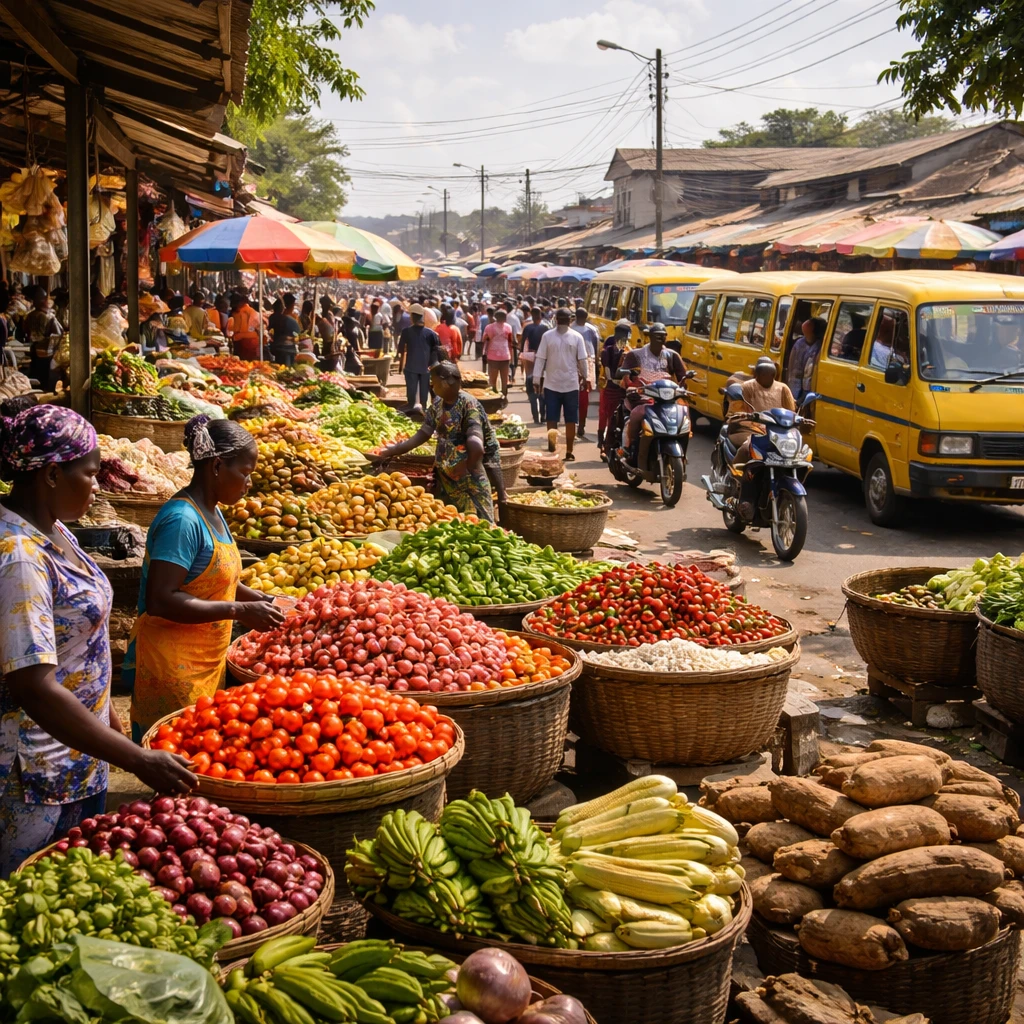
Government statistician Alhassan Iddrisu attributed the moderation principally to slower food inflation, identifying that category as a key factor in the diminished pace of price rises.
The statistics service underscored that over 86% of Ghana's inflation stems from goods and services produced within the country, noting that domestically driven costs - specifically transport and energy - play an outsized role in shaping the inflation profile.
By comparison, inflation stood at 12.1% in July of the prior year. "In the space of 12 months the speed at which prices are rising has fallen by more than half," Iddrisu told reporters.
The country, which produces gold, oil and cocoa, has been working its way out of what officials have described as its most severe economic crisis in decades. In that context, the statistics service's July data offer one measure of easing price pressures following a period of elevated inflation.
In a related fiscal update, the finance ministry retained its key macroeconomic targets in a mid-year budget review last month and said an economic recovery remained on track. The ministry's stance suggests policymakers are continuing to expect stabilisation consistent with the recent slowdown in inflation.
Taken together, the numbers and official comments point to a notable deceleration in the rate of price increases over the past year, while also highlighting the importance of domestically determined costs - such as transport and energy - and food price dynamics for near-term inflation developments.
Data note: The statistics service released the July inflation data on Thursday. Commentary from the government statistician and the finance ministry reflect official assessments of the recent trends.