
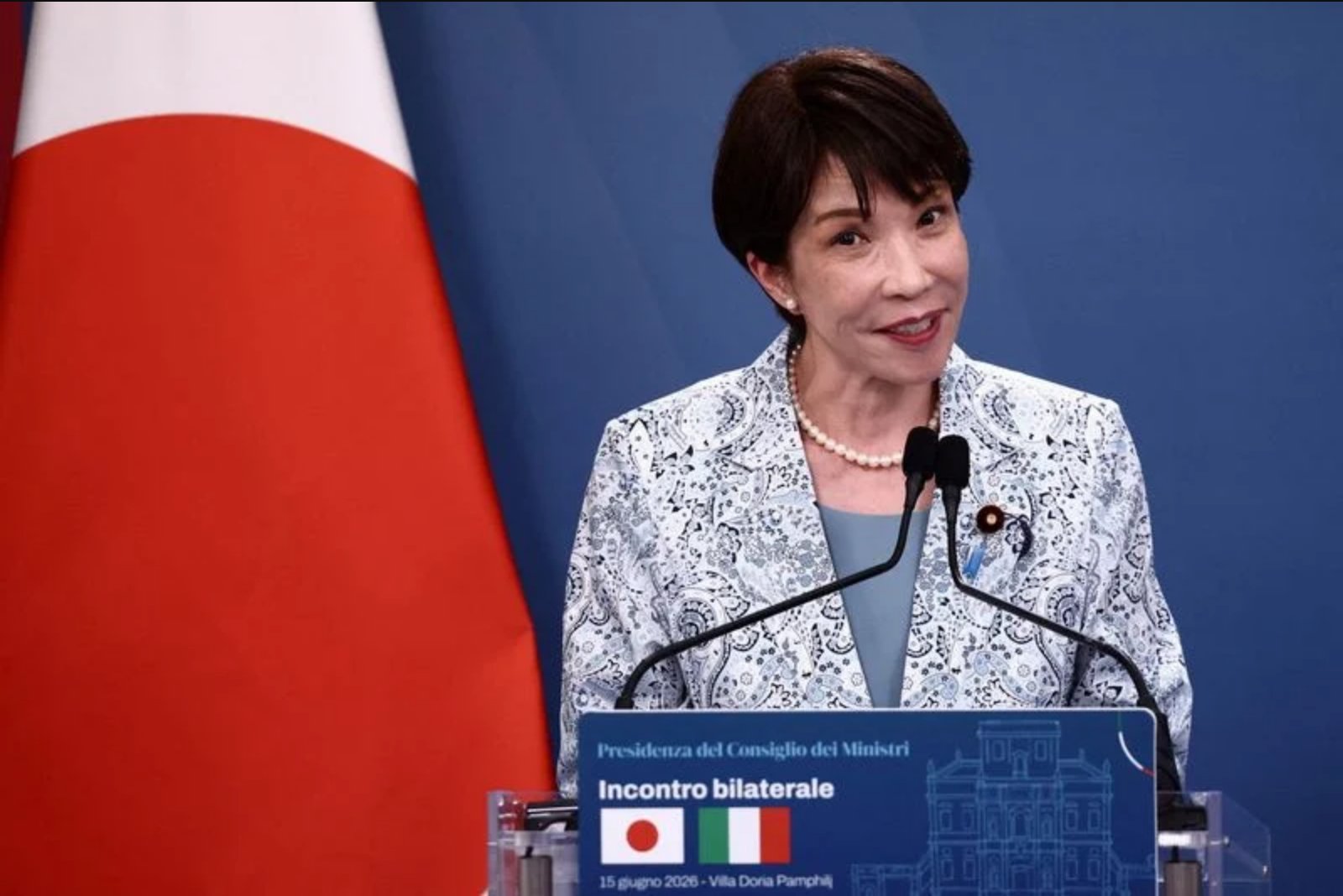
TOKYO, June 30 - Japan will change how it prepares its budget so the government can more flexibly increase investment in growth sectors and react to crises, according to the first economic policy blueprint released under Prime Minister Sanae Takaichi. The document repeatedly stresses the need to maintain market trust in public finances even as it lays out an assertive spending agenda to revive the economy.
The blueprint said, "Reflecting rising inflation and wages, Japan will overhaul the way it crafts the budget to one better suited to strengthen growth potential and expand the size of its nominal economy," indicating an intent to rely in part on higher nominal tax receipts tied to inflation to help finance planned measures.
Since assuming office in October, Takaichi has committed to a "responsible, proactive fiscal policy" focused on addressing what the blueprint describes as decades of under-investment that have harmed Japan's economic performance and international competitiveness. The plan centers on large-scale spending directed at strategic industries, though the document acknowledges the fiscal challenge of delivering that spending without materially worsening Japan's already substantial public debt.
To better concentrate resources, the government will supplement the annual budget - which continues to set caps for most spending items - with a multi-year framework that targets outlays in strategic areas rather than relying solely on year-to-year appropriations. The blueprint calls for coordinated public and private investment, projecting combined investment to exceed 370 trillion yen through fiscal 2040.
Specific initiatives cited in the document include programs in artificial intelligence, semiconductor development and space-related projects. The blueprint projects that these measures will help push gross domestic product to nearly 1,100 trillion yen by fiscal 2040.
The document underlines a core fiscal objective: "Stably lowering Japan’s combined national and regional debt-to-GDP ratio is core to our policy." To reflect a longer-term approach to fiscal consolidation, the government will stop setting annual targets for reaching a primary budget surplus and instead treat the primary balance as an indicator to be managed over multiple years.
The blueprint notes the centrality of the primary budget measure to past reforms: "A primary budget balance, which refers to the difference between total revenues and non-interest expenditures, has long been used in Japan as a fiscal reform goal."
In addition, Tokyo will change its approach to extra budgets. Instead of routinely compiling separate additional budgets each year, the blueprint says all non-emergency spending will be appropriated in the annual budget. The document states, "Even if an extra budget becomes necessary this autumn onward, it will be limited to truly high-emergency spending."
The blueprint also urged monetary policy to be coordinated with government efforts to spur growth, a signal of the administration's preference for maintaining low interest rates as it pursues the growth agenda. The paper's combination of ambitious spending targets and limited clarity on financing has already contributed to upward pressure on bond yields as investors weigh the implications for Japan's public finances.
The document provides an explicit exchange rate reference: $1 = 162.2300 yen.
Overall, the blueprint frames a shift toward investment-led growth backed by a multi-year fiscal architecture and collaboration with private capital, while reiterating the stated aim of safeguarding trust in Japan's fiscal position as the government moves to implement its plans.