
Overview
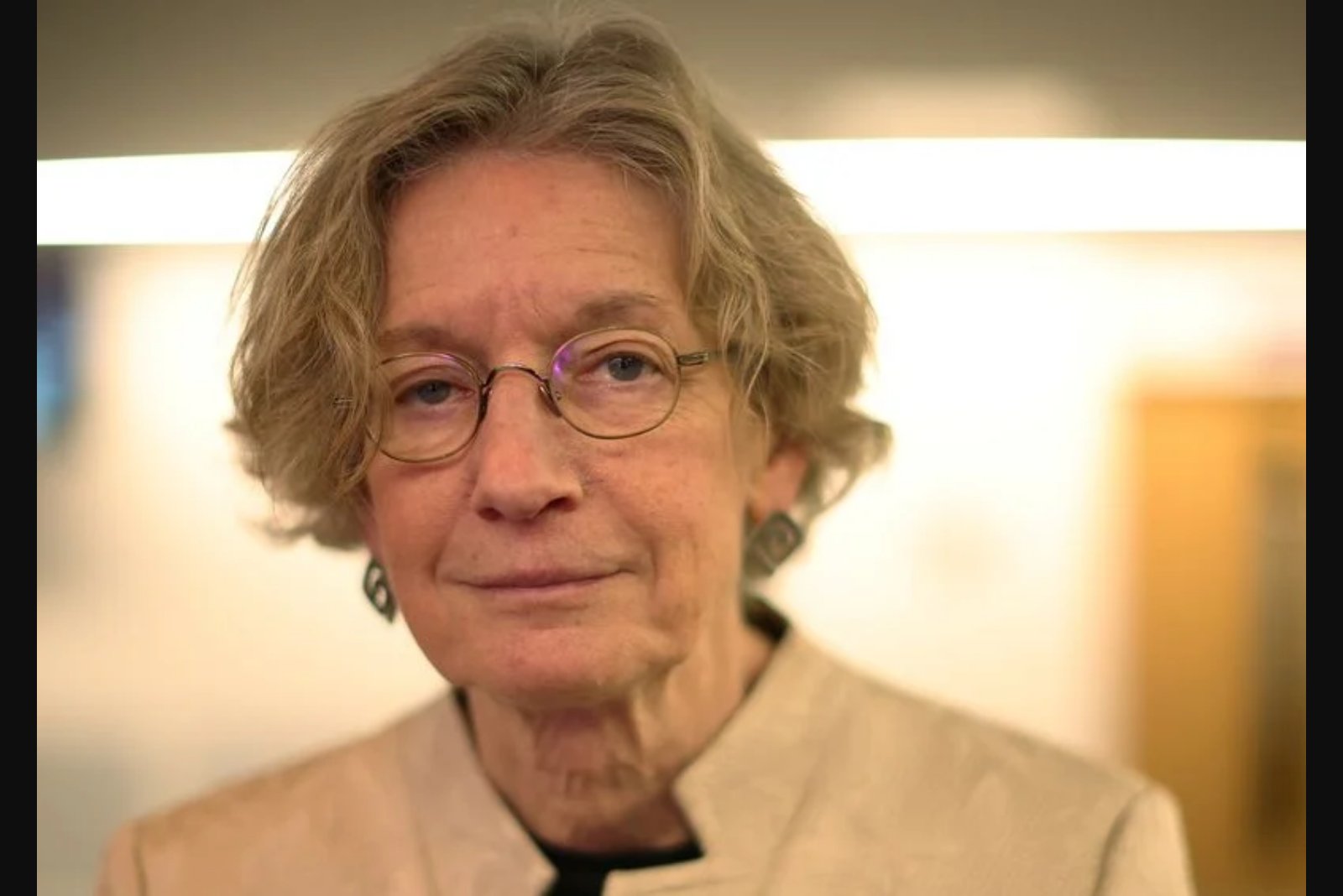
Bank of England policymaker Catherine Mann said on Thursday she would be ready to vote for a rise in interest rates if higher inflation expectations in the wake of the U.S.-Iran war make it less likely that inflation returns to the 2% target. Mann made the remarks in a speech text released by the BoE ahead of an event hosted by French bank Natixis.
Inflation expectations and BoE forecasts
Mann highlighted a BoE survey showing the public's inflation expectations reached a record high in May. At the same time, the Bank trimmed its own forecast for later this year to a little above 3.25%, down from the 3.6%-3.7% range it had projected in April. Mann framed these shifts as central to her policy calculus.
When she would act
"If outturns - especially in expectations - are unfavourable to the underlying inflation process, an activist move can bring inflation expectations and outcomes toward the 2% target," Mann said. She explained she has so far refrained from voting for a rate increase because the Iran war pushed up market interest rates in Britain, which has had an offsetting effect on some inflation pressures.
Wage talks and timing
Mann said that her future decisions would pay close attention to how rising inflation influences early discussions for 2027 wage deals. She noted the seasonality of wage negotiations and their dependence on previous inflation and inflation expectations, saying that data outturns in the second half of this year - including one-year-ahead expectations - are particularly important for her decision-making.
Labour market detail
On labour market conditions, Mann said fine-grained data suggest the labour market is less weak than the headline unemployment rate of 4.9% would imply. She used this point to underline that headline rates do not capture all of the nuance policymakers monitor.
Energy prices and fiscal outlook
Mann also warned that fiscal surprises could alter the rate outlook. She referenced the recent political development that Prime Minister Keir Starmer said last month he would stand down and is likely to be replaced by former Greater Manchester Mayor Andy Burnham - a change some investors believe might lead to a looser budget policy. In minutes of the BoE decision to hold rates, Mann had also noted that rates could need to rise if a sporadic continuance of conflict between the United States and Iran led to a new increase in energy prices after the recent fall.
Monetary policy position
Mann voted to keep interest rates on hold at 3.75% last month as part of a 7-2 majority on the Monetary Policy Committee, but she regarded upside risks to inflation as more prominent than those who voted to keep rates unchanged.
Note: This article reflects the statements and data presented by the policymaker and the Bank of England in the material released with the speech.