
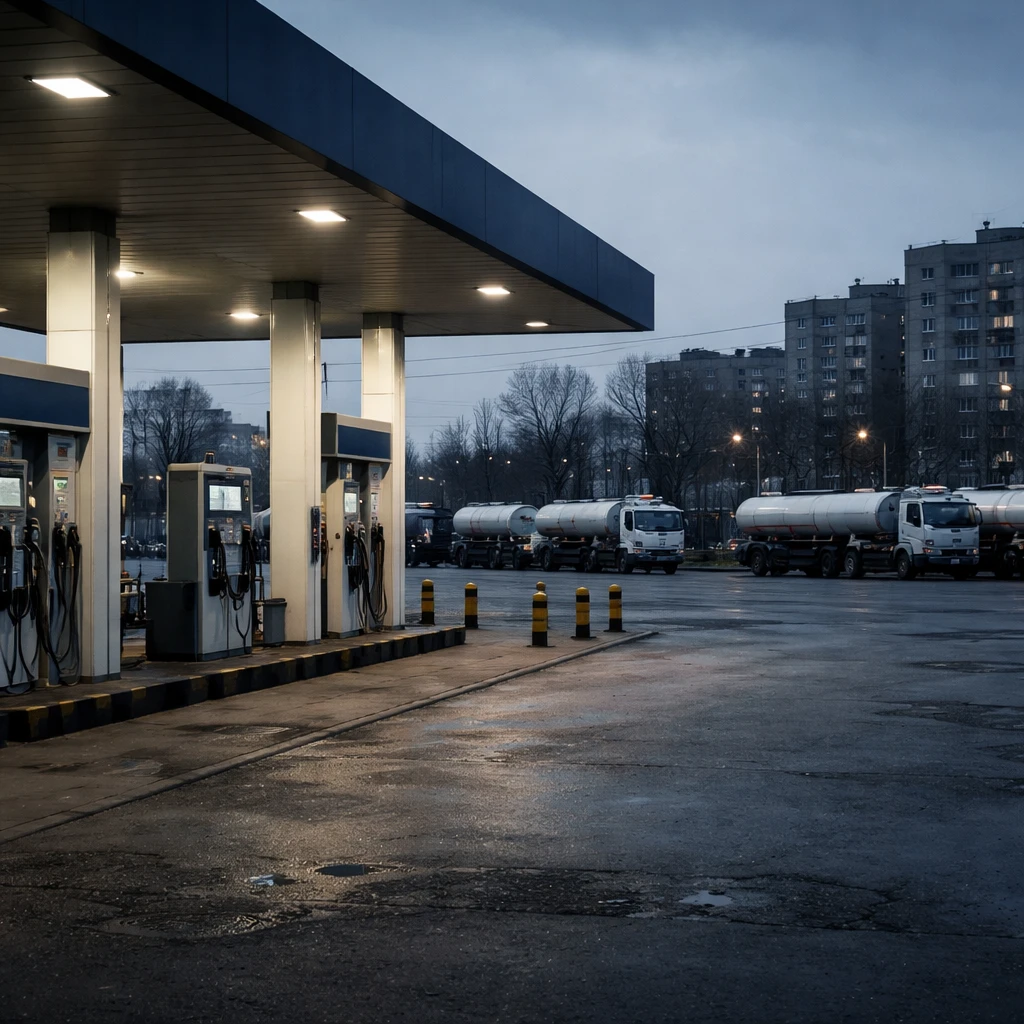
Kyrgyzstan announced a nationwide ban on the export of gasoline, diesel fuel and oil on Monday as it confronts an immediate shortfall in petroleum supply tied to disruptions in deliveries from Russia. The government decree, published on Tuesday, bars outbound shipments of the three fuel categories until officials determine the domestic market is adequately supplied.
The Central Asian nation, home to roughly 7 million people, depends on Russia for the bulk of its petroleum needs - importing more than 90% of its fuel products from across the border. Those links have left Kyrgyzstan exposed to supply volatility after operations in Russia were disrupted.
Recent strikes in Ukraine against Russian oil refineries have been cited as a driver of the regional tightness. Data cited by Kyrgyz officials show that rail exports of jet fuel from Russia into Central Asia and Afghanistan plunged by over 92% in June, falling to 3,800 metric tons compared with May. Over the same period, gasoline shipments declined by 34% to 99,300 tons.
Faced with the drop in Russian deliveries, Kyrgyz authorities have reached out to neighboring countries to help fill the gap. The government has signed contracts to secure diesel and jet fuel from Belarus and China as stopgap measures while export restrictions keep product at home.
The strain on regional fuel networks is not limited to Kyrgyzstan. Last week, Tajikistan's energy minister noted that Tajikistan currently holds about 60 days of fuel reserves, while also indicating that the country is exploring alternative suppliers to reduce reliance on Russian shipments.
Kyrgyzstan's economy remains closely linked to Russia, a relationship that has amplified economic pressures since the 2022 invasion of Ukraine. The country has experienced intermittent spikes in inflation and has emerged as a major conduit for trade with Russia that was redirected in response to Western sanctions.
Summary
Kyrgyzstan has frozen exports of gasoline, diesel and oil until domestic supplies are restored after a sharp fall in Russian rail fuel shipments. The government has contracted supplies from Belarus and China and has asked neighboring states for assistance. Regional disruptions follow strikes on Russian refineries and have affected other nearby countries that depend on Russian fuel.
Key points
- Kyrgyzstan banned exports of gasoline, diesel and oil to preserve domestic supply - impacts: energy sector, transportation, and retail fuel markets.
- Russian rail exports of jet fuel to Central Asia and Afghanistan dropped by more than 92% in June to 3,800 metric tons; gasoline shipments fell 34% to 99,300 tons - impacts: regional fuel logistics and aviation fuel availability.
- Kyrgyzstan has signed contracts with Belarus and China for diesel and jet fuel and has sought help from neighbours - impacts: trade flows and government procurement operations.
Risks and uncertainties
- Duration of supply disruption from Russia remains unclear, creating uncertainty for national fuel availability and inflationary pressure - sectors affected: consumer prices, transportation, and energy.
- Reliance on alternative suppliers may not immediately offset shortfalls, leaving logistical and contractual risks - sectors affected: petrochemical logistics, aviation, and public services.
- Regional contagion of supply tightening, evidenced by Tajikistan's fuel reserve assessment, could stress markets across Central Asia - sectors affected: regional trade and fuel-dependent industries.