
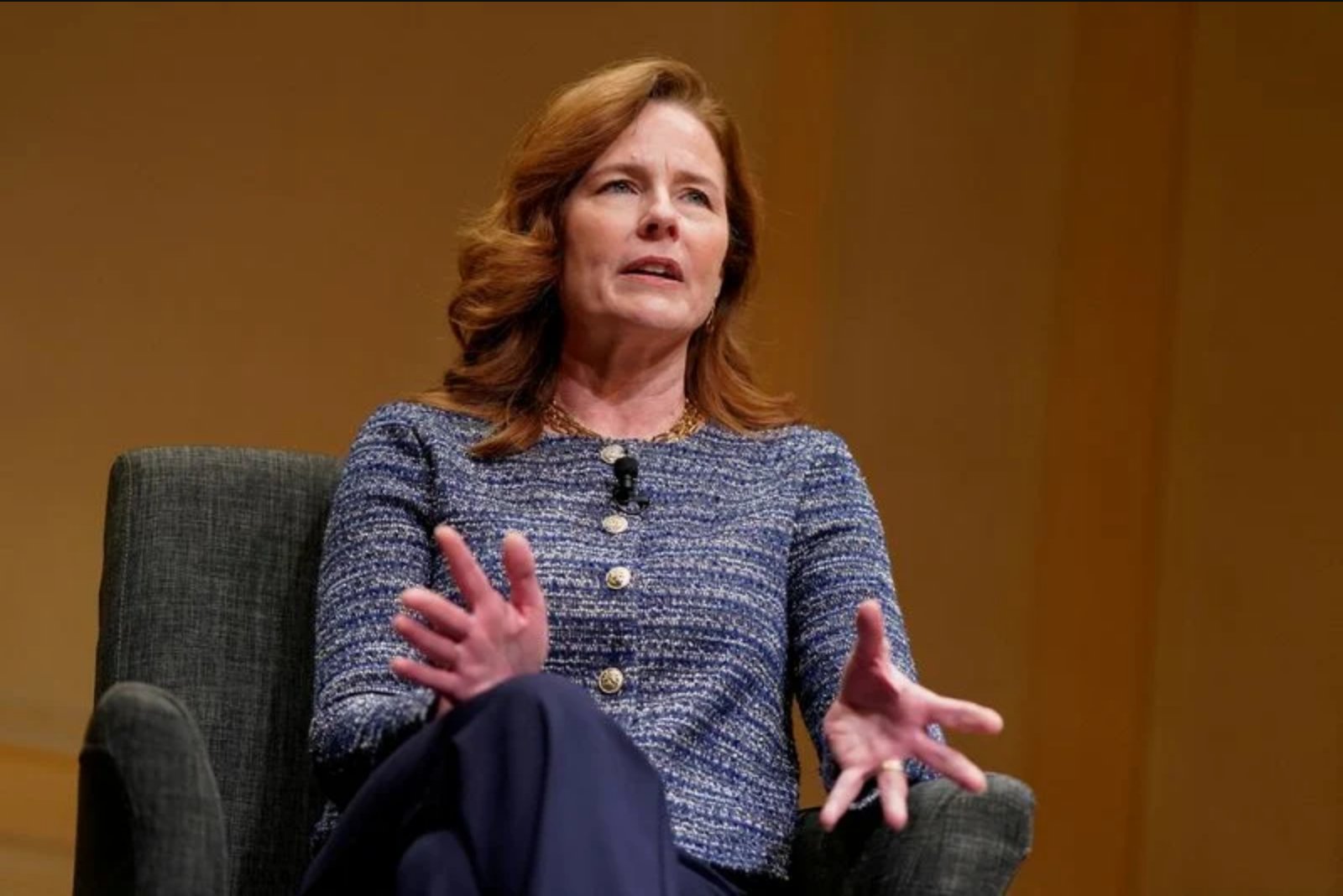
Two sitting members of the U.S. Supreme Court, Justices Amy Coney Barrett and Elena Kagan, are slated to testify before congressional appropriations subcommittees on Tuesday as the court requests a near 10% rise in its annual budget to strengthen security for justices and their families. The appearances are the first by active justices before Congress since 2019, excluding Senate confirmation proceedings.
The judiciary has formally proposed a budget of nearly $230 million for the coming fiscal year, representing a roughly 10% increase over this year’s funding level. According to the Administrative Office of the U.S. Courts, the request would allocate more than $14 million toward expanding the Supreme Court Police Department’s protective activities for justices’ residences and families.
Justices do not always appear in person to present their funding requests to Congress, and these scheduled testimonies come amid heightened concern about threats directed at members of the federal judiciary. Data compiled by the U.S. Marshals Service show that nearly 400 judges were the target of threats last year, and 276 judges had been targeted so far this year as of July 1.
The court completed a nine-month term two weeks ago that included several high-profile legal disputes involving President Donald Trump and his administration. In recent years, the court’s 6-3 conservative majority has issued landmark rulings on issues including abortion and presidential authority, and courts have upheld major elements of the former president’s expansive use of executive power.
Concerns about personal safety have moved to the forefront of judicial discussions. In March, Chief Justice John Roberts warned that hostility aimed at judges in personal terms is "dangerous and it’s got to stop," remarks he made days after social media attacks from President Trump against judges who ruled against him and his administration. Roberts’ comment followed his court’s 2024 end-of-year report, which highlighted "a significant uptick in identified threats at all levels of the judiciary" over recent years.
One of the more widely reported security incidents occurred in 2022 when a California resident appeared near Justice Brett Kavanaugh’s Maryland home carrying a handgun. Sophie Roske later pleaded guilty to attempted assassination and was sentenced last year to eight years in federal prison.
Alongside concerns about security, the Supreme Court has faced sustained scrutiny over ethics and a decline in public approval. In 2023 the court adopted its first formal code of conduct, but critics argued that the measure lacked meaningful enforcement because it left recusals to the discretion of individual justices and established no enforcement mechanism.
Questions about the conduct of individual justices have persisted. The article outlines public scrutiny surrounding Justice Samuel Alito related to an inverted U.S. flag displayed outside one of his homes after the 2020 election - an incident he said was attributable to his wife during a dispute with a neighbor over a critical lawn sign. The inverted flag had become a symbol of protest among supporters of former President Trump as he pursued legal challenges to his 2020 election loss.
Justice Clarence Thomas has faced questions about luxury travel financed by Republican donor Harlan Crow. Thomas has defended his disclosures by saying he believed those trips qualified as exempt "personal hospitality," and he characterized the omission of a real estate transaction involving Crow from disclosure forms as inadvertent.
The justices’ testimony before the House and Senate panels will focus on the judiciary’s funding request and the need to bolster protective measures for members of the federal bench and their families. The Administrative Office of the U.S. Courts provided the breakdown that includes the allocation for expanded residential protection as part of the overall near-10% funding increase sought for the next fiscal year.
These developments come at a time when the Supreme Court’s decisions and institutional practices remain the subject of ongoing public and congressional attention, and the court has taken steps to address ethical concerns even as questions about enforcement and transparency continue to be raised.