
Major cruise operators are facing fresh pressure on net yields, according to a research note from Melius Research. Over the past year Royal Caribbean Group has experienced a 75 basis point compression in net yields, Norwegian Cruise Line Holdings has seen a 640 basis point decline, and Carnival Corporation has recorded a 90 basis point drop since July 2025.
Those moves reflect a combination of choices by operators on Caribbean capacity as well as broader macroeconomic influences, the note said. While global equity markets have climbed roughly 10% year to date, cruise equities as a group have risen by an average of only about 4% - marking the first period of underperformance by the sector relative to the broader market since the COVID-19 era.
Looking at near-term earnings, analysts expect Royal Caribbean and Viking Holdings to post modest beats for the second quarter of 2026, with upside attributed primarily to lower fuel expenses and slightly improved net yield results. Norwegian Cruise Line Holdings is forecast to produce results closer to consensus as it continues its bookings ramp.
For the third quarter, consensus expectations have been trimmed. Analysts lowered net yield forecasts by roughly 50 basis points after Carnival disclosed a planned yield reduction for the second half of 2026. Carnival attributed that adjustment to a larger-than-anticipated effect from the Iran conflict on travel to Europe and Mediterranean destinations.
The research note suggested Royal Caribbean and Norwegian may be less exposed to the same immediate effects because of differences in their geographic points of sale and later reporting cycles. Still, the combination of Iran-related travel headlines and separate hantavirus concerns has the potential to depress near-term demand and produce a modest uptick in cancellations.
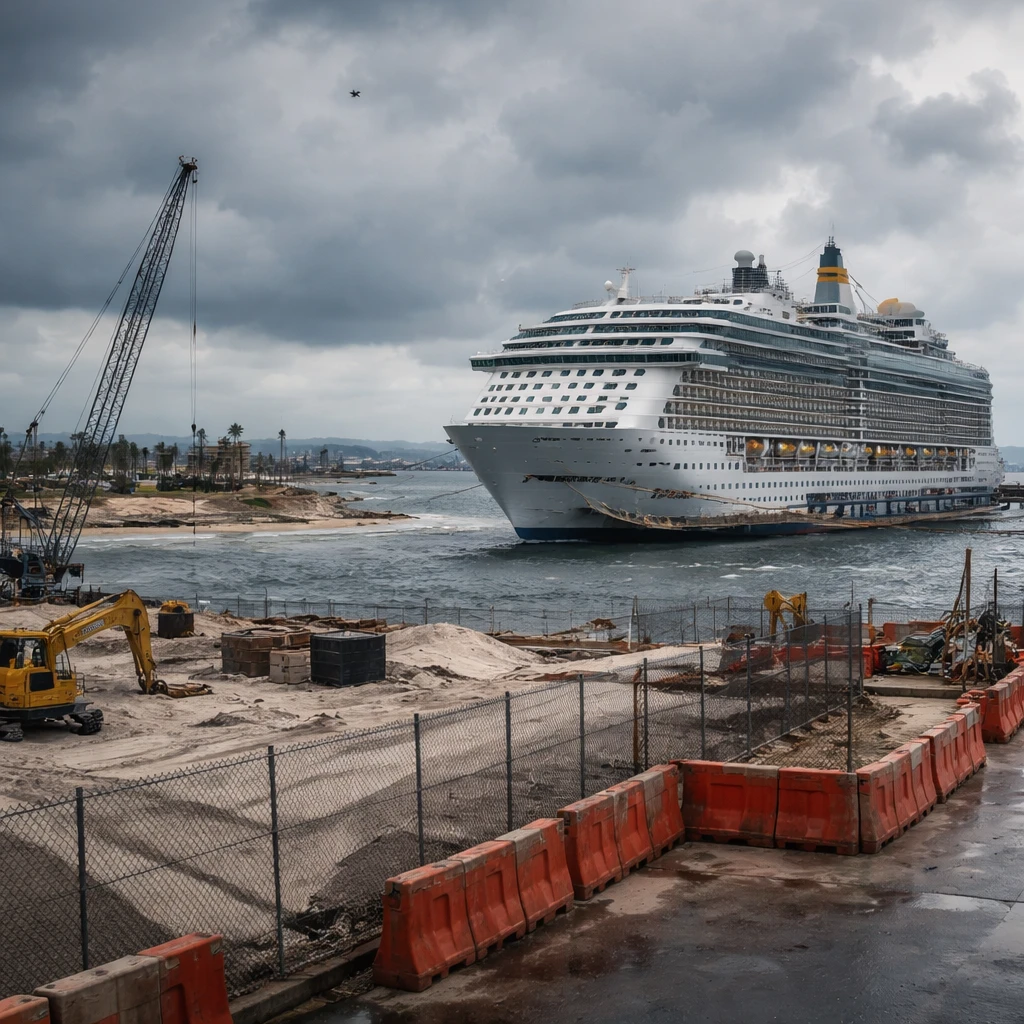
Separately, Royal Caribbean faces project risk in the Caribbean - the Mexican government has moved to halt development of the company’s Perfect Day Mexico destination. That development had been scheduled to open at the end of 2027 and was designed to lift returns on Western Caribbean itineraries and spur growth from ports such as Galveston, Texas.
Collectively, the recent crop of headlines - yield compressions, region-specific travel disruptions and a halted destination project - underscores the sensitivity of cruise margins to shifts in demand patterns and to external shocks. Investors and analysts are watching both near-term booking trends and cost dynamics, including fuel, as indicators of how quickly operators can stabilize yields.
Sector context - The developments touch travel and leisure demand, port economies that feed cruise itineraries, and the publicly traded cruise operators themselves. Changes in consumer willingness to travel to certain regions and project development delays can affect revenue per passenger and route economics.
Company notes - Melius Research called out the specific yield compressions by carrier and highlighted divergent near-term earnings expectations across the group.