
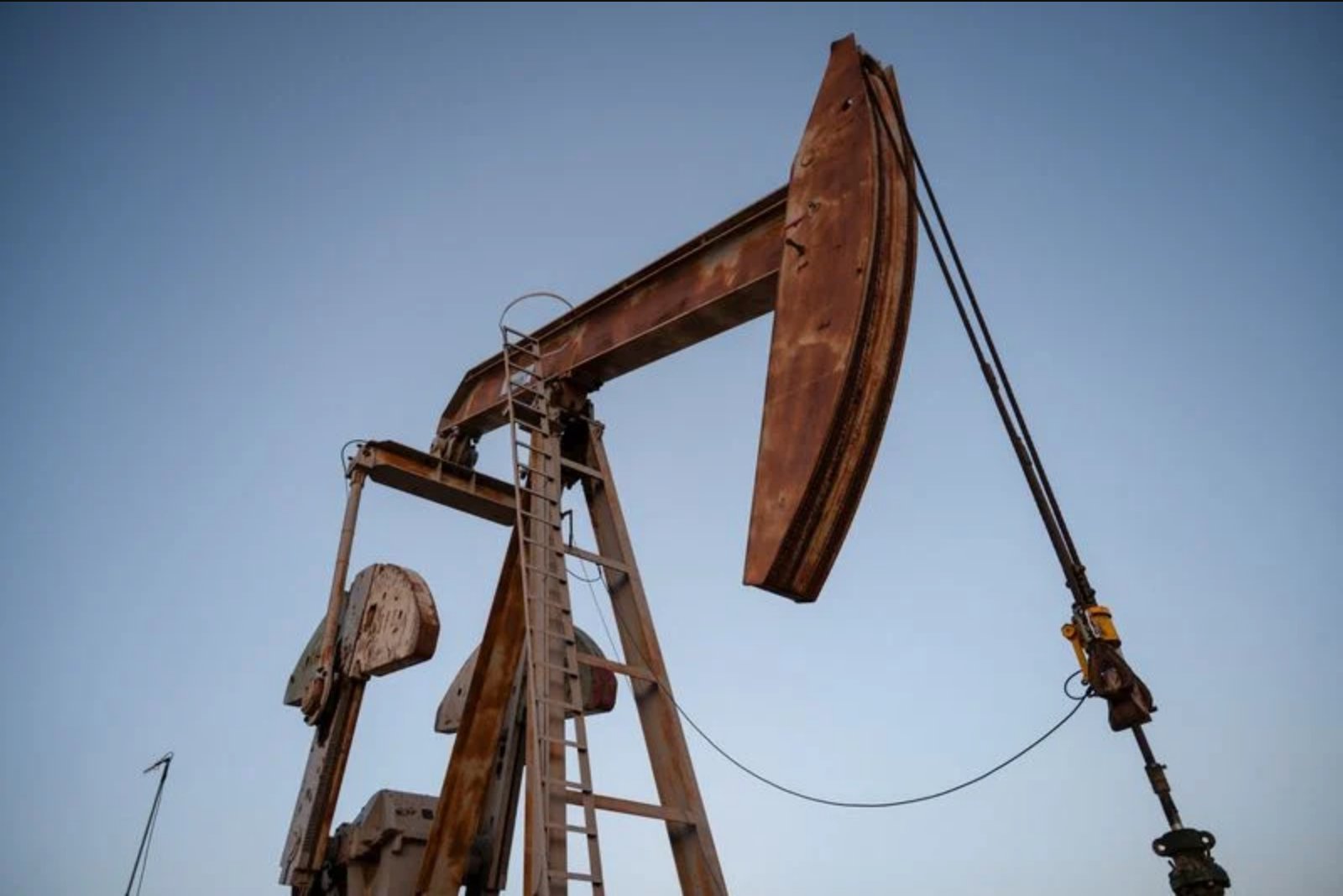
Oil prices climbed sharply again as a fresh escalation of hostilities in the Gulf coincided with a reinstated U.S. blockade on Iranian ports. The move by President Donald Trump to reimpose a blockade and levy a 20% charge on all movement through the Strait of Hormuz has coincided with renewed missile strikes and U.S. counterstrikes, slowing Hormuz traffic to a two-month low, according to shipping data.
World crude is trading back at levels above $80 per barrel, following a more than 9% leap on Monday and further gains early on Tuesday, returning to prices last seen before the interim ceasefire deal signed in mid-June. The sudden rise in energy costs has offset some of the effect of the energy-driven retreat that had helped cool headline inflation in recent weeks.
That dynamic matters because today’s June U.S. CPI report is expected to show headline inflation easing from three-year highs above 4%, largely due to earlier declines in energy prices. But the renewed fighting and the jump in crude make the headline number less decisive for markets than the core inflation read, which remains close to 3%.
Fed Governor Chris Waller reiterated on Monday that the central bank will not reach its inflation target by watching numbers alone, saying 'the Fed is not going to get this back to target simply by staring at it. It will have to act.' Markets will also be listening to Fed Chair Kevin Warsh’s first testimony to Congress later on Tuesday. Warsh is known to be skeptical of forward guidance, so investors are unlikely to receive explicit forward guidance from his remarks.
Futures markets continue to price in a Fed rate hike by year-end, and they also indicate a significant chance of a tightening move as soon as this month. Those expectations are adding to market sensitivity as the energy shock feeds through to broader inflation measures and to interest-rate expectations.
Equities are feeling the strain from the twin pressures of rising energy costs and the prospect of higher interest rates. Chip stocks remain under particular pressure as the U.S. quarterly earnings season gets under way. South Korean chipmaker SK Hynix, which listed American depositary receipts on Friday, plunged sharply again on Monday and surrendered all of its Friday gains. The stock and the broader Korean market swung wildly on Tuesday, tumbling early in the Seoul session before rallying to finish nearly 4% higher on the day.
At the same time, some chip-related signals remain constructive. Taiwan Semiconductor Manufacturing Co’s sales update beat forecasts on Monday, underscoring persistent demand for semiconductors. China’s trade data also surprised to the upside in June, with exports rising more than expected and imports beating estimates. Semiconductor and tech equipment orders were significant contributors to both readings, and auto shipments also stood out - car exports reached a record one million units in June.
Those stronger trade figures keep China on track to post a trade surplus topping $1 trillion for a second consecutive year, according to the trajectory implied by the June data. The goods-led momentum is helping to underpin parts of the global tech and manufacturing cycle even as geopolitical tensions in the Gulf push energy prices higher.
Events to watch today
- U.S. June CPI - 8:30 a.m. EDT
- U.S. corporate earnings: JPMorgan, Bank of America, Goldman Sachs, Wells Fargo, Citigroup
- Fed Chair Kevin Warsh speaks before the U.S. House Financial Services Committee - 10 a.m. EDT
- Speeches by Fed’s Michael Barr, Lisa Cook and Michelle Bowman, and Chicago Fed’s Austan Goolsbee
The combination of higher oil prices, persistent core inflation near 3%, and ongoing earnings reports from major banks is setting up a volatile day for markets. Investors will be weighing data on inflation against corporate performance and guidance from bank executives and Federal Reserve officials.
Analysis
The sudden reimposition of the blockade and the 20% charge on shipments through the Strait of Hormuz represent a direct intervention in a critical maritime chokepoint for global oil flows. The immediate consequence has been a marked slowdown in shipping and a rapid re-pricing of oil markets higher. That repricing has the potential to influence headline inflation readings and, by extension, the policy outlook for the Federal Reserve.
With Fed futures reflecting a tangible chance of tightening soon, market participants are sensitive to any new signals from central bank officials. The combination of geopolitics-driven energy price moves and still-elevated core inflation creates a challenging backdrop for risk assets, particularly in sectors sensitive to rates and input costs such as financials and semiconductors.
Meanwhile, the ongoing strength in China’s external demand - marked by stronger-than-forecast exports and record car shipments - helps support parts of the technology supply chain even as localized equity volatility plays out in individual stocks like SK Hynix.
Subscribe to the Morning Bid daily podcast to hear discussion of today’s oil spike and the June inflation report, and for ongoing coverage of the key market developments.