
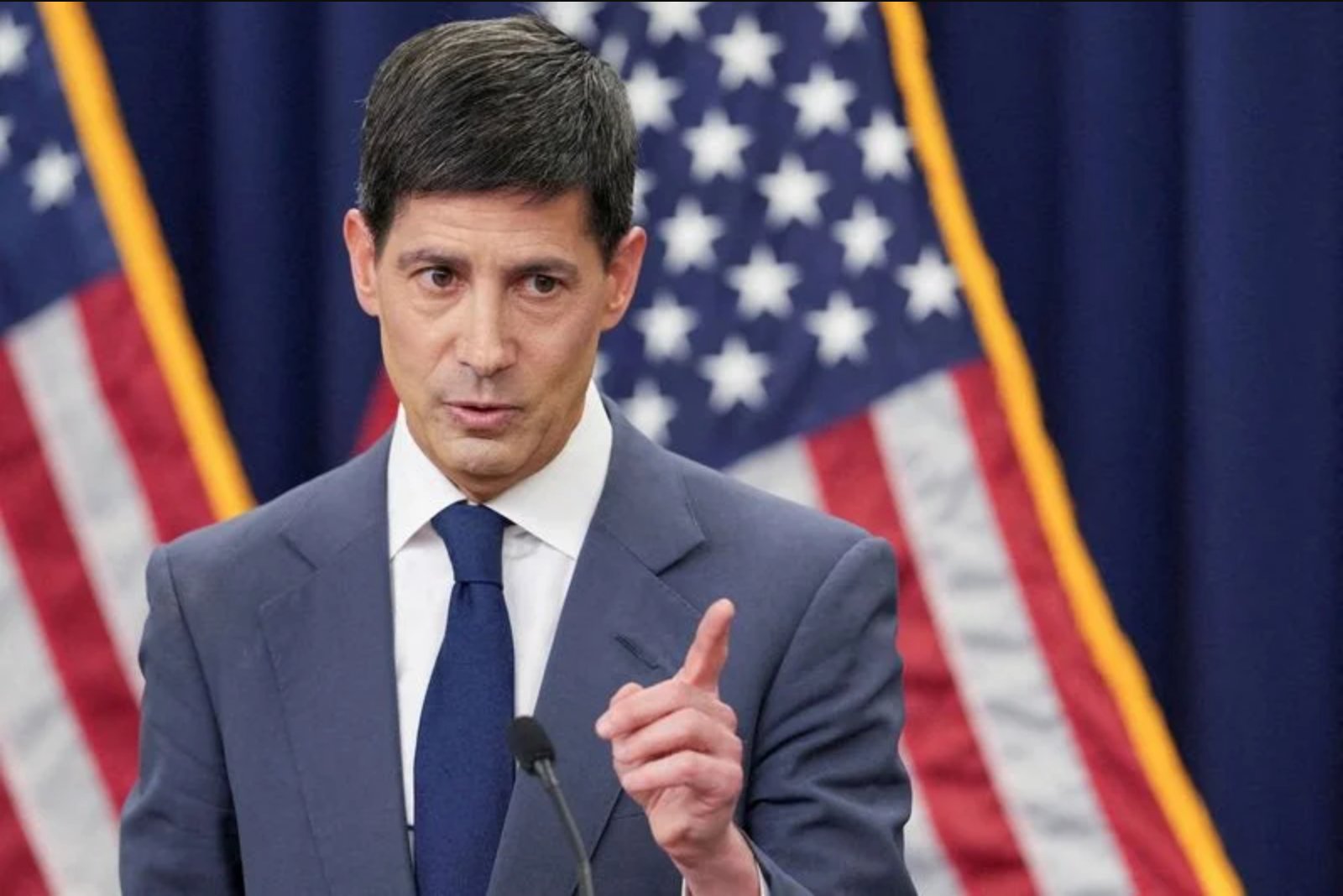
On July 14, Federal Reserve Chairman Kevin Warsh will appear on Capitol Hill for his first congressional testimony since taking charge of the central bank. His earlier public statements and exchanges during the confirmation process set out many of his perspectives, but substantial issues remain unresolved about how he plans to approach the economy's state and the Fed's legally mandated aims of price stability and maximum employment.
Open lines of questioning for lawmakers
Members of Congress will have the chance to probe several themes that Warsh has touched on only partially. These include the outlook for employment, the interpretation of the Fed's 2% inflation target, whether and how money supply figures should figure in policy, and the importance Warsh places on anchoring inflation expectations.
Employment
Warsh has offered limited commentary so far on labour market trends and the expected path of the labour force. One issue lawmakers may explore is how the anticipated size of the labour force - and the prospect that it could decline steadily over time - should influence monetary policy. Specifically, if the economy posts low unemployment but modest monthly job gains because of demographic shifts and immigration patterns, does that outcome meet the Fed's statutory objective of maximum employment? That question seeks clarity on whether the Fed's assessment of labour market health will emphasize headline unemployment rates or take a deeper view of underlying labour-force dynamics.
Inflation
On the subject of inflation, Warsh has signalled a preference for focusing attention "to the left of the decimal point" in relation to the Fed's 2% objective. That phrasing indicates discomfort with trying to calibrate policy against overly precise measurements and suggests potential tolerance for inflation slightly above 2% as a pragmatic standard. What remains to be clarified is how that inclination applies when inflation is below 2%. The Fed's stated framework treats outcomes that are too low as being as concerning as outcomes that are too high. Lawmakers are likely to ask whether Warsh shares that symmetric view or whether his response threshold for policy action is more flexible depending on whether inflation is above or below the target.
Money supply
References to the money supply have been largely absent from Fed commentary for years. Yet Warsh's tenure has coincided with a reemergence of the topic: last week, the Monetary Policy Report included a reference to the money supply for the first time in a decade, and it was the first such report released since Warsh became chairman. That inclusion raises questions about how Warsh perceives the role of money supply measures in explaining inflation and whether he intends to factor them into his policy toolkit. Another question is whether a renewed emphasis on money-supply growth would lead the Fed to publicly address current government deficit spending - an area the central bank has traditionally treated as the domain of elected officials rather than a subject for monetary policy advocacy.
Expectations
Fed officials place high importance on public expectations for inflation, viewing them as central to how inflation actually evolves. The Fed's policy framework states it is "prepared to act forcefully to ensure that longer-term inflation expectations remain well anchored." Warsh has not yet discussed inflation expectations with the same level of urgency evident in that language. Lawmakers may therefore press him on whether he concurs that expectations are a primary driver of inflation outcomes and whether he, like many colleagues, prioritises keeping those expectations firmly anchored as a central objective of policy.
Conclusion
Warsh's testimony will offer a closer look at how he balances practical measurement concerns with the Fed's formal mandates. With several open questions still on the table, his answers could clarify whether his approach will shift emphasis among employment metrics, tolerance around the 2% target, the relevance of money-supply indicators, and the urgency he assigns to anchoring expectations.