
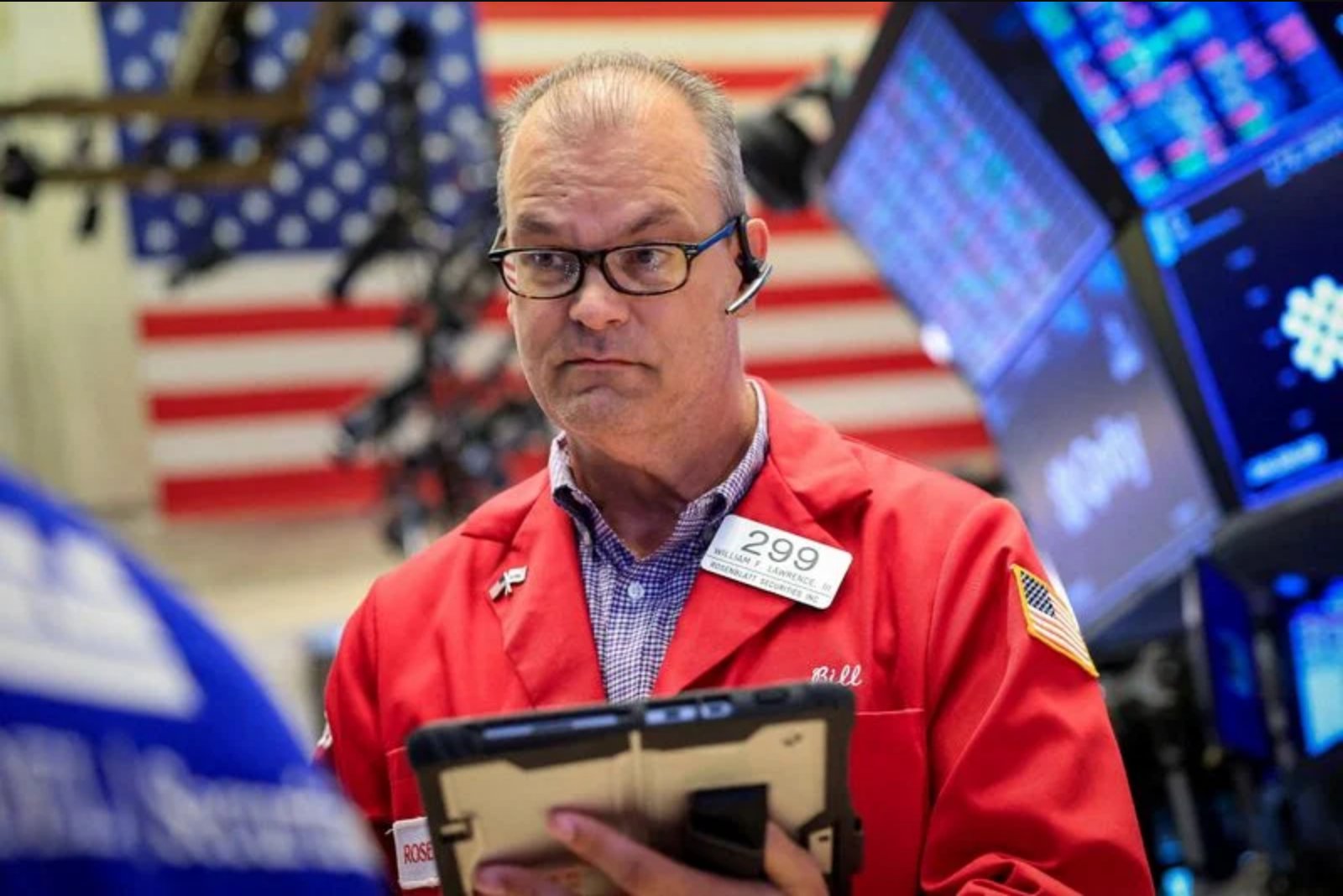
Global equity markets presented a fragmented picture on Monday, with regional performances diverging based on local economic narratives and broader geopolitical developments. Asian and European indices advanced as optimism regarding Middle East peace talks bolstered investor sentiment. Conversely, Wall Street experienced a more cautious approach, with technology stocks and assets sensitive to interest rate movements facing downward pressure. The trading session was also marked by the absorption of major political shifts, specifically the resignation of UK Prime Minister Keir Starmer and the death of former Federal Reserve Chair Alan Greenspan.
Equity and Sector Performance
Equity markets worldwide demonstrated varied trajectories. In Asia, Japanese and Chinese indices climbed by approximately two percent, reflecting positive regional sentiment. European markets also showed modest gains, with the UK Stoxx 50 rising 0.7 percent and the broader European STOXX 50 up 0.6 percent. However, the US market presented a mixed outcome. The Dow Jones Industrial Average edged slightly higher, while the S&P 500 declined by 0.4 percent, and the Nasdaq Composite fell more significantly by 1.3 percent. Colombia’s market stood out with a notable drop of five percent.
Sector performance within the US market further illustrated this divergence. Seven of the eight S&P 500 sectors recorded gains, while four experienced losses. Communications services fell by four percent, and consumer discretionary dropped by two percent. In contrast, the Semiconductor Sector Index rose by one percent to reach a new high, highlighting strength in the tech hardware segment. Individual stock movements were pronounced: Super Micro Computer surged 16.6 percent, and Micron Technology gained 6.94 percent. Conversely, Palantir declined by 6.98 percent, while Alphabet and Amazon fell by 5.08 percent and 4.75 percent, respectively.
Foreign Exchange and Currency Movements
The US dollar strengthened significantly, reaching a one-year high against a basket of major currencies. The USD/JPY pair hit a two-year high, approaching the 162.00 level. The Japanese yen had dipped into a zone often associated with potential central bank intervention, briefly recovering to 161.00 per dollar before settling around 161.50 in US trading. This movement suggested that Japanese authorities may not have intervened, despite Tokyo’s history of purchasing yen at similar levels. Factors such as a 40 percent decline in oil prices from its May peak, record highs in the Nikkei index, and a seemingly hawkish stance from the Federal Reserve may have contributed to the decision to refrain from intervention.
The Colombian peso emerged as the top gainer in global foreign exchange markets, rising 0.8 percent to its strongest level since January 2021. Sterling also saw modest gains against the dollar, while other currency pairs showed relative stability amidst the broader macroeconomic shifts.
Fixed Income and Commodities
In the bond market, US yields increased across the curve by five to six basis points. The two-year Treasury yield rose to 4.23 percent, marking its highest level in 16 months. Five-year Treasury Inflation-Protected Securities (TIPS) yields also climbed by 10 basis points, indicating rising inflation expectations or real interest rate pressures. In the commodities space, crude oil prices declined, with Brent crude dropping three percent and West Texas Intermediate (WTI) falling by two percent. Gold, however, gained one percent, potentially reflecting safe-haven demand or inflation hedging.
Political and Macroeconomic Developments
The resignation of UK Prime Minister Keir Starmer added another layer to the UK’s political landscape, with the country likely to see its seventh prime minister in a decade. Starmer announced his departure shortly after the tenth anniversary of the Brexit referendum and barely two years after securing a landslide election victory. Andy Burnham is anticipated to replace him, possibly as early as the following month. Market reactions to this transition were initially calm, with sterling and UK stocks rising and gilt yields remaining largely stable. Investors will likely focus on Burnham’s approach to fiscal rules and his selection of a finance minister.
The financial community also mourned the passing of Alan Greenspan, former Chair of the Federal Reserve, at the age of 100. Greenspan was widely regarded as a central figure in guiding US and global economies through various economic cycles, earning the nickname "the maestro." His tenure, spanning 19 years, was characterized by both praise for his stewardship during periods of growth and criticism regarding his influence on market expectations, often referred to as the "Greenspan put." His legacy remains a significant topic of discussion regarding central bank policy and market dynamics.
Outlook and Key Events
Looking ahead, market participants will monitor several critical developments. Progress in Middle East peace negotiations remains a key geopolitical focus. Economic data releases, including flash Purchasing Managers' Index (PMI) readings for June in Japan, the UK, the euro zone, and the US, will provide insights into economic activity. Taiwan’s export orders for May will also be closely watched as an indicator of global demand. Additionally, speeches by European Central Bank Vice-President Boris Vujcic and Bank of England’s Alan Taylor may offer further clarity on monetary policy directions. The US Treasury is scheduled to sell $69 billion of two-year notes at auction, which could impact short-term interest rates and liquidity conditions.