
Canada's annual inflation rate accelerated to 3.2% in May, marking a 29-month high, Statistics Canada reported on Monday. The increase exceeded economists' median expectation of 3.0% and followed a 2.8% year-over-year rise in April.
The rise in headline inflation was propelled in large part by higher gasoline prices, which were influenced by elevated crude oil costs linked to the Iran conflict. Gasoline prices in May climbed 33.2% on a year-over-year basis. Statistics Canada noted that consumers in May paid more for gasoline than during its previous peak four years earlier when Russia invaded Ukraine.
That spike in fuel prices fed into transportation costs, a category that represents almost 18.5% of the CPI basket. Transportation registered a 9.0% annual increase in May, reflecting the outsized impact of gasoline on the overall index.
Excluding the direct effect of gasoline, the consumer price index still rose by 2.2% in May, up from 2.0% in April, according to Statistics Canada. The non-gasoline increase was led by higher prices for food, recreation and alcoholic beverages.
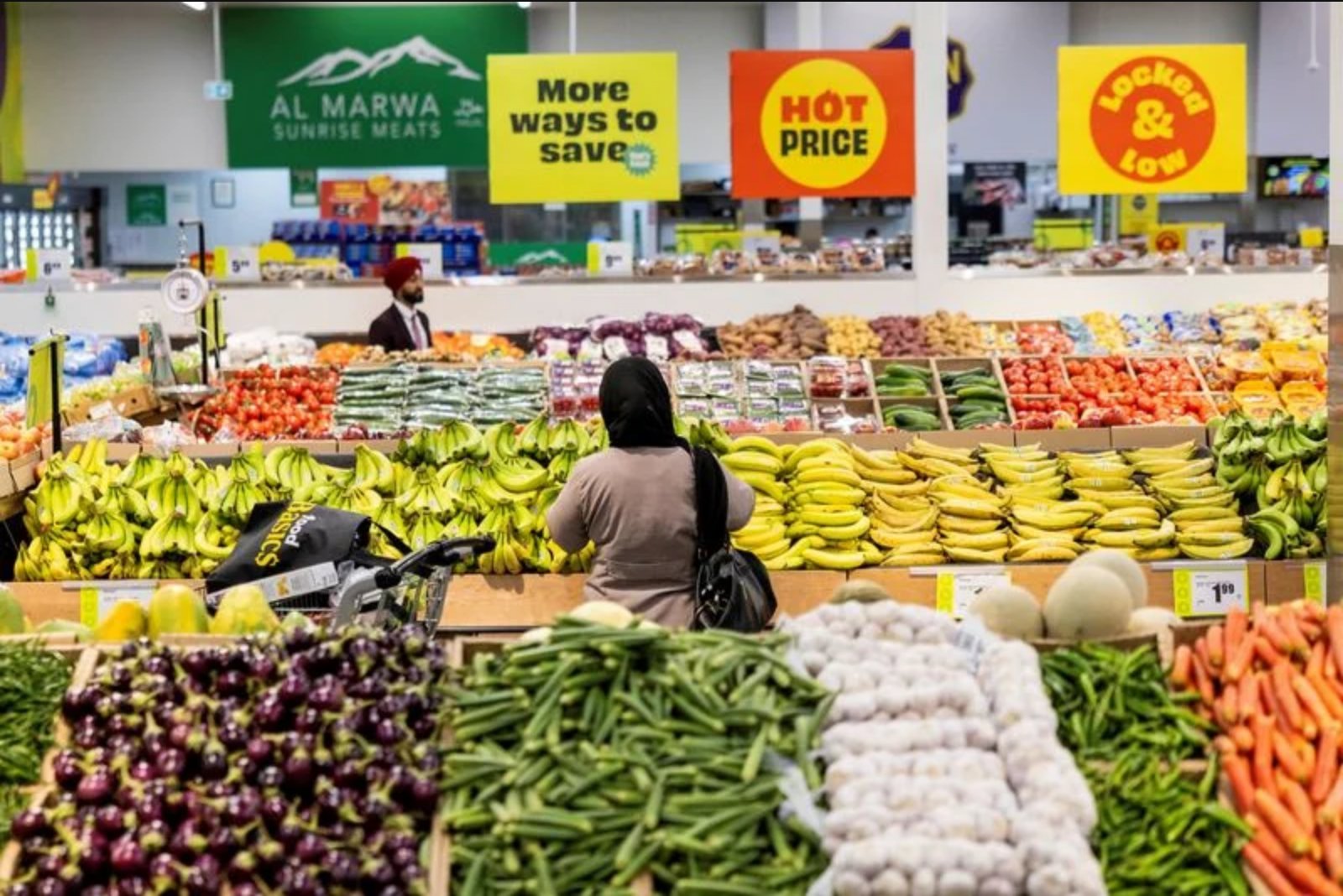
Food costs, which account for roughly 17% of the CPI basket, accelerated to a 3.8% annual increase in May from 3.5% in April. Within food, fresh fruits and fresh vegetables recorded notable gains, rising 5.3% and 9.0% respectively in May.
The monthly CPI change for May was 1.0%, surpassing expectations for a 0.8% rise and marking the strongest monthly increase in 15 months.
Shelter costs, the largest single component of the CPI basket at close to 30%, partially offset the upward pressure from transportation and food. Shelter costs rose 1.7% in May following a 1.8% increase in April. Within shelter, mortgage costs declined by 0.2% in May, which reduced upward pressure on overall shelter inflation.
The closely watched measures of core inflation were unchanged in May. The CPI-median measure, which identifies the centermost component of the CPI basket, was 2.1%. CPI-trim, which excludes the most extreme price changes, stood at 2.0%.
Analysts noted that the upward pressure from higher crude oil and gasoline prices might already be easing: an interim peace deal signed last week between the United States and Iran is expected by some analysts to help pull down headline inflation in June. Bank of Canada commentary earlier this month indicated limited evidence that higher energy prices were driving broad-based inflation, suggesting the central bank's assessment of underlying inflation may not change in response to the May reading.
Data highlights
- Annual CPI: 3.2% in May (29-month high) vs. 2.8% in April
- Monthly CPI: 1.0% in May - highest monthly rise in 15 months
- Gasoline: +33.2% year-over-year in May
- Transportation (18.5% of CPI): +9.0% year-over-year
- Food (about 17% of CPI): +3.8% year-over-year; fresh fruits +5.3%; fresh vegetables +9.0%
- Shelter (close to 30% of CPI): +1.7% in May (after +1.8% in April); mortgage costs -0.2% in May
- Core measures: CPI-median 2.1%; CPI-trim 2.0%
This inflation report underscores the prominent role of energy and food prices in driving near-term movements in Canada’s CPI, while shelter costs and lower mortgage expense provided some downward pressure on the headline rate.