
Economy June 9, 2026 06:57 AM

Bulgaria Will Halt Weapons Shipments to Ukraine, Says New Defense Minister

Sofia announces shift in military support policy as government argues diplomacy and personnel are priorities

By Caleb Monroe
Share
Twitter Reddit Facebook LinkedIn

Bulgaria's recently formed government has declared it will stop sending arms to Ukraine. Defense Minister Dimitar Stoyanov framed the move as a preference for bolstering personnel and pursuing a negotiated settlement that includes both sides. The stance mirrors Prime Minister Rumen Radev's long-held opposition to resolving the conflict by force and his critique of EU measures such as sanctions.

Bulgaria Will Halt Weapons Shipments to Ukraine, Says New Defense Minister
Summarize with
ChatGPT Perplexity Claude Grok Gemini

Key Points

  • Bulgaria's new government has announced it will stop sending weapons to Ukraine, signaling a change from the EU's collective support approach.
  • Defense Minister Dimitar Stoyanov emphasized Ukraine needs more personnel rather than additional arms and called for a fair peace agreement involving both parties.
  • Prime Minister Rumen Radev - a former air force commander who served as president until January and became prime minister last month - aligns with this policy and has also advocated lifting sanctions against the Kremlin, citing harm to the European economy; he pledged to increase Bulgaria's role in collective European decision-making.

Bulgaria's new administration announced on Tuesday that it will cease providing weapons to Ukraine, marking a departure from the broader European Union approach of supplying military assistance to Kyiv amid its conflict with Russia.

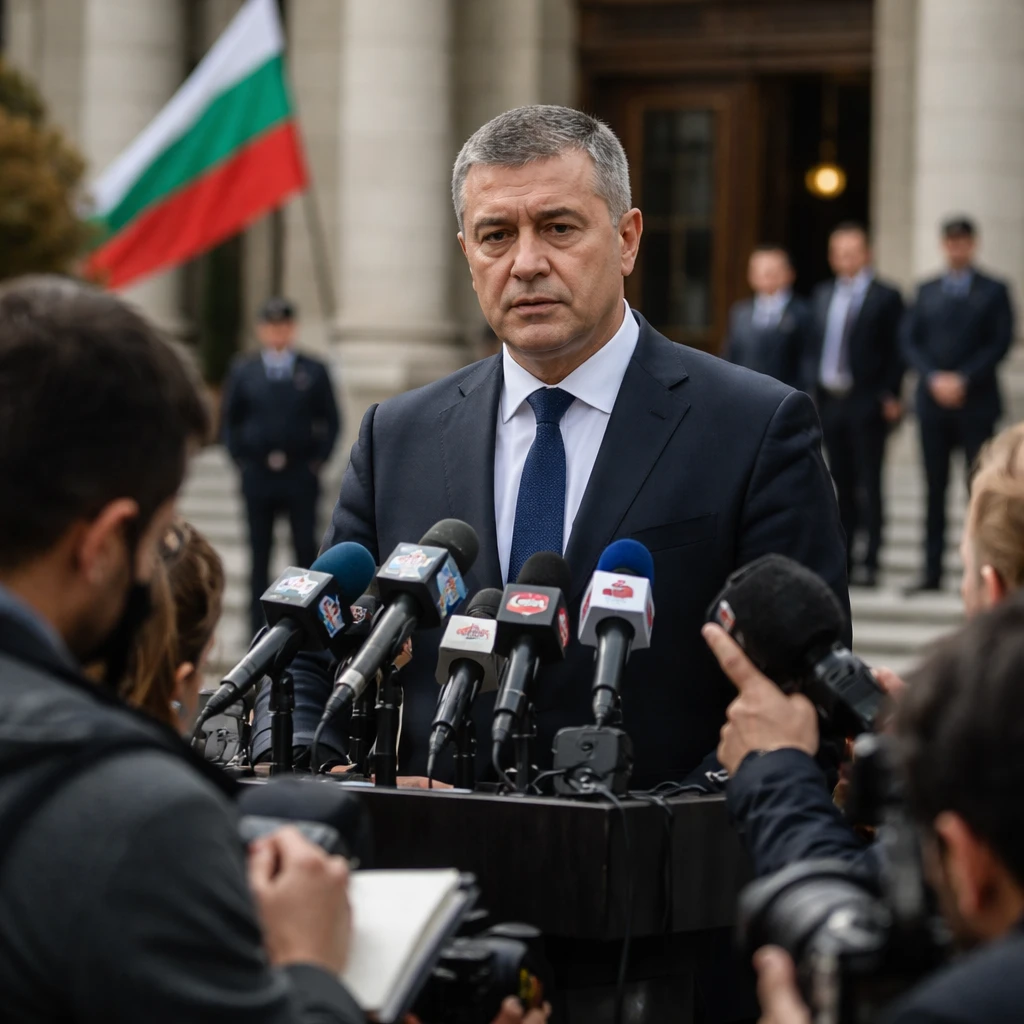
Speaking to reporters in Sofia, Defense Minister Dimitar Stoyanov said the pressing need for Ukraine is additional personnel rather than more weapons. He argued for a just peace settlement that requires direct participation from both parties engaged in the fighting.

The defense minister's comments are consistent with the position of Prime Minister Rumen Radev. Radev has maintained that the war cannot be solved solely through military means. A former air force commander who served as president until January and who assumed the prime ministership last month, Radev has persistently opposed EU military assistance intended for Kyiv.

Radev has also called for removing sanctions imposed on the Kremlin, on the grounds that such measures harm the European economy. At the same time, the prime minister has pledged to deepen Bulgaria's involvement in collective European decision-making processes.

The Bulgarian decision comes after recent appeals by leaders from France, Germany and Britain calling on Russian President Vladimir Putin to agree to an immediate and comprehensive ceasefire to create space for negotiations toward a lasting peace. According to the statements cited by Sofia, Putin has declined Ukrainian President Volodymyr Zelenskyy's request to meet and discuss an end to the large-scale invasion that began more than four years ago.

While acknowledging that the European Union plays an extremely important role in any pathway to peace, Stoyanov suggested the bloc may face limitations as a neutral mediator because of its ongoing support for Ukraine during the conflict. He did not offer further operational details about how Bulgaria's new policy will be implemented.


Summary

Bulgaria's government will stop sending weapons to Ukraine; leadership argues diplomacy and personnel support should take precedence and expresses concerns about the EU's role as a neutral mediator.

Risks

  • Potential diplomatic strain within the EU as Bulgaria diverges from other member states on military support to Ukraine - this could affect defense coordination among EU partners.
  • Economic tension tied to calls for removing sanctions on Russia - the discussion around lifting sanctions introduces uncertainty for sectors sensitive to geopolitical measures, including trade-exposed industries.
  • Limitations on the EU's perceived neutrality as a mediator in peace negotiations, since Stoyanov suggested EU assistance to Ukraine could hinder its role in facilitating talks.

More from Economy

India Advances Measures to Secure Spot in Global Bond Benchmark Jun 9, 2026 JPMorgan Poll Shows Slight Uptick in Treasury Note Bullishness Jun 9, 2026 European Commission Proposes 21st Sanctions Package Focusing on Energy, Banks and Shipping Jun 9, 2026 Economists See Fed Holding Rates Through 2026 as War-Driven Inflation Persists Jun 9, 2026 Kuwait Resumes Exports to Asian Refiners as Hormuz Transits Appear to Reopen Jun 9, 2026