
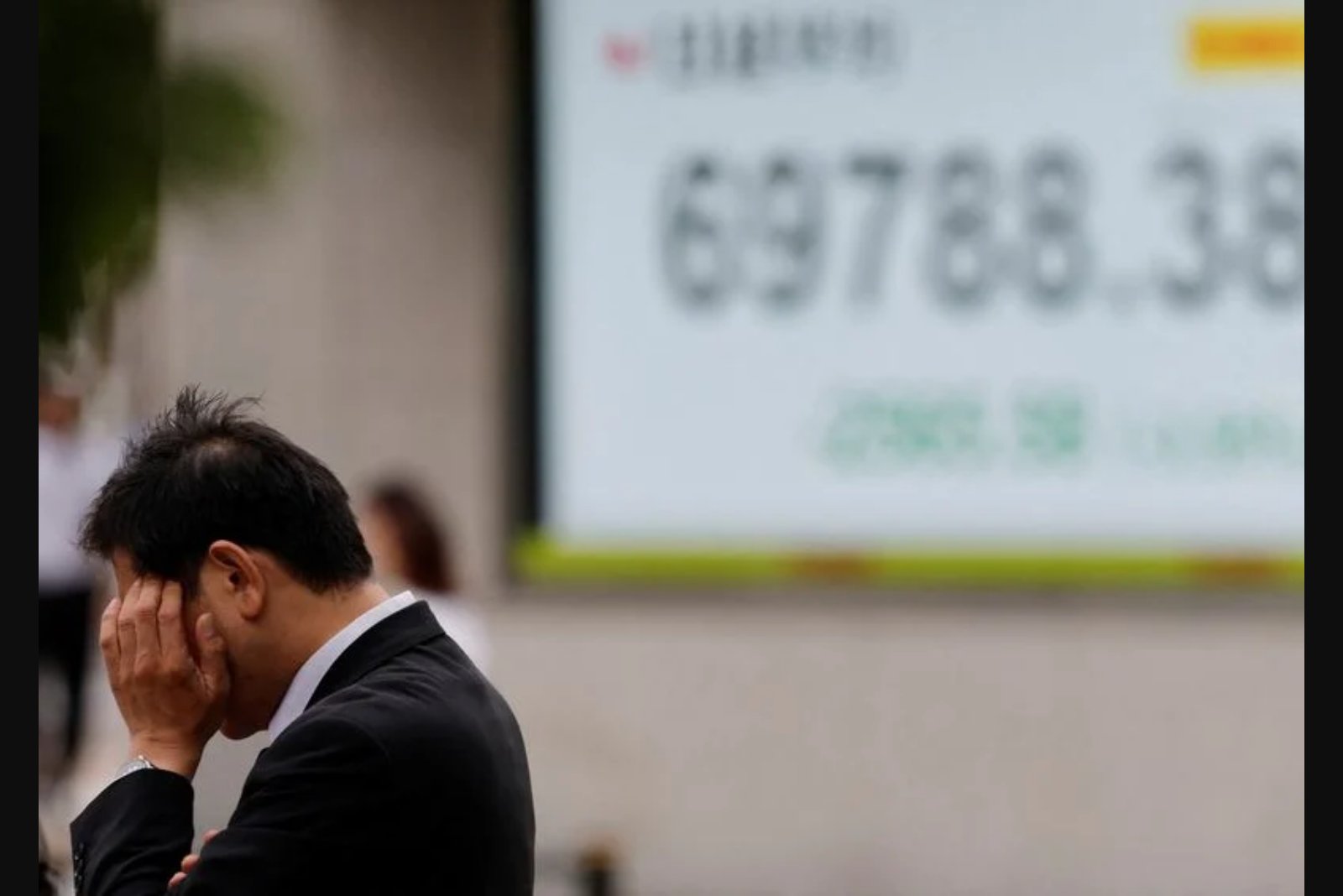
Asian equity markets are navigating the final days of a historic second quarter, characterized by record-breaking gains for major regional benchmarks alongside significant volatility in currency and commodity markets. As of Tuesday, the region's financial landscape reflects a complex interplay between strong corporate earnings, shifting interest rate expectations, and investor behavior that defies traditional rally patterns.
Equity Performance and Regional Divergence
The quarter has concluded with remarkable strength across several key Asian indices. Japan's Nikkei is positioned for a record quarterly rise exceeding 36%, maintaining steady momentum despite minor wobbles in early trading. South Korea's KOSPI, heavily influenced by its semiconductor sector, has more than doubled in value year-to-date and is set to close the second quarter with a nearly 65% increase, despite a 1% slip on Tuesday. Taiwan's benchmark index is also tracking a quarterly gain of more than 40%, underscoring the dominance of the technology sector in driving regional returns.
In contrast to the tech-heavy markets, other regional indices have lagged significantly. Hong Kong's Hang Seng Index has emerged as a notable outlier, recording a quarterly drop of approximately 7.5%. Meanwhile, European markets and China's mainland blue-chip CSI300 have posted solid quarterly gains of around 9% and 10%, respectively, attracting attention from investors seeking diversification beyond the semiconductor-led rallies.
Currency Volatility and Commodity Shifts
A resurgent U.S. dollar has been a defining feature of the quarter, driven by a re-pricing of interest rate outlooks that have shifted from anticipated cuts to potential hikes. This shift is attributed to underlying U.S. economic strength and persistent inflationary pressures. The dollar index has appreciated by 1.3% over the quarter, impacting global currency dynamics significantly.
The yen has faced severe pressure, trading at a four-decade low of 162.41 per dollar during Asian trading. This depreciation has prompted concerns regarding potential intervention by Japanese authorities. Japan's Finance Minister Satsuki Katayama has stated that officials remain prepared to respond appropriately at any time to stabilize the currency. Concurrently, gold prices have suffered their largest quarterly decline in over a decade due to the dollar's strength.
On the commodity front, oil market tensions related to geopolitical conflicts have diminished. Benchmark Brent crude futures are trading at pre-war levels of $72.49 per barrel, despite ongoing strains in interim ceasefire agreements. This stabilization has contributed to a more favorable macroeconomic backdrop.
Investor Behavior and Sector Rotation
One of the most unusual aspects of this quarter has been the flow of capital. Despite the surge in indices, large institutional investors have been net sellers of Asian tech equities. According to BNY, net outflows from South Korean equities have totaled $17.3 billion year-to-date. This trend reflects a broader pattern across Asia's technology-heavy markets, where strong performance has triggered portfolio rebalancing and profit-taking rather than fresh institutional buying.
Geoff Yu, a macro strategist at BNY, noted that the gap between returns and capital flows highlights a shift in investor strategy. With tech exposure reaching elevated levels, investors are increasingly looking toward other themes such as defense and renewables to build more robust portfolio diversification. Kerry Craig, a strategist at J.P. Morgan Asset Management, emphasized that declining oil prices reinforce views of trend-like global growth relative to previous expectations of sub-trend performance. This environment supports a positive earnings narrative.
Upcoming Data and Policy Signals
Looking ahead, market participants are focused on a series of critical economic data releases and policy communications. Chinese manufacturing data for June indicated expansion driven by high-tech exports. Upcoming releases will include European inflation figures and U.S. consumer confidence and job openings data. Additionally, the U.S. jobs report, delayed until Thursday due to a Friday holiday, and a Wednesday appearance by Federal Reserve Chair Kevin Warsh are expected to provide further direction for currency and equity markets.
The interplay between record equity gains, currency volatility, and shifting investment flows suggests a market in transition, with investors recalibrating strategies to capture growth while managing diversification risks.