
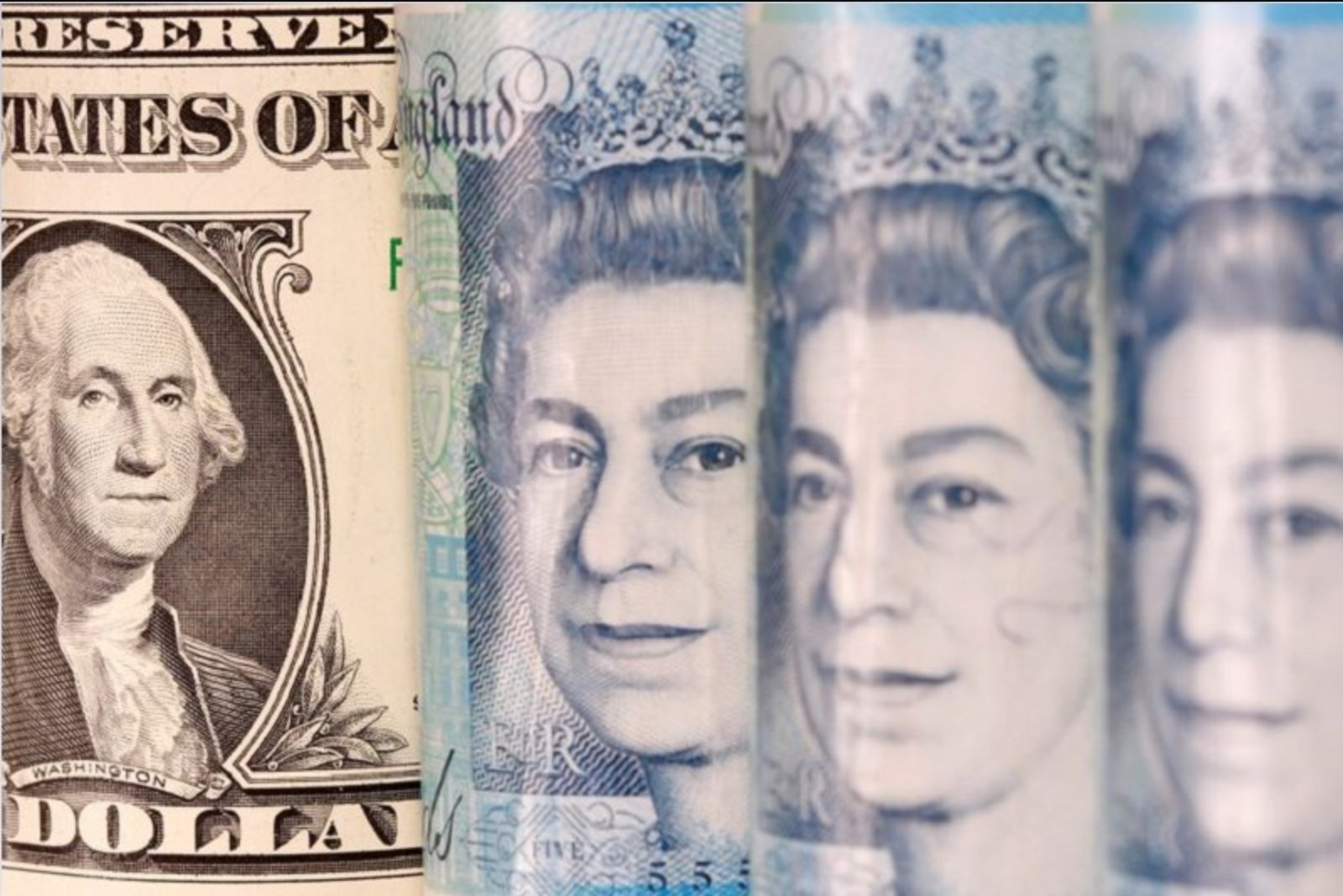
Sterling under pressure in a dollar-friendly environment
Sterling remained confined to a tight trading range on Wednesday as the dollar found support from a wider shift toward monetary policy hawkishness. At 06:46 ET (10:46 GMT), GBP/USD was trading at 1.3439, down 0.05% from earlier levels. The pair opened the session at 1.3455 and posted a session high of 1.3459, underscoring limited upside for the pound during the European and early U.S. hours.
EUR/USD moved differently, edging 0.11% higher to 1.1638, a pattern that suggests the pound's relative softness versus the dollar is not simply due to euro strength but reflects sterling's particular sensitivity to renewed dollar demand.
RBNZ's stance highlights the hawkish theme
The Reserve Bank of New Zealand provided a particularly clear example of the global hawkish tilt overnight. Governor Anna Breman cast the deciding vote in a 3-3 split to hold the policy rate at 2.25%. At the same time, the RBNZ revised its projections in a more hawkish direction than markets had been pricing.
The bank now projects its policy rate will reach 3.00% in early 2027, with a terminal rate of 3.25%, a material tightening relative to the February path that envisaged 3.00% only by end-2028. New Zealand government bonds bear-flattened sharply on the news, and NZD/USD jumped 0.7% - the session's clearest outperformer.
ING's Chris Turner framed the RBNZ outcome as a warning shot to markets that may have grown complacent: even central banks facing negative output gaps appear unwilling to risk the effects of an energy-driven inflation shock. That rationale is being read across to the Federal Reserve as well.
U.S. inflation data and Fed dynamics in focus
Thursday's April PCE release is the week's focal macro risk, with expectations that the data will show inflation moving further away from the Fed's 2.0% target. As attention turns to the June FOMC, pressure is building on the Federal Reserve to more explicitly abandon any implicit easing bias. ING expects this environment to sustain dollar support, forecasting the DXY to trade in a range of 99.00 to 99.50 into the meeting.
Closer to the present session, markets will watch Dallas Fed President Lorie Logan at 10:00 CET. Logan was one of three hawkish dissenters at the April FOMC. The weekly ADP employment report, which recorded a cycle-high gain of +42k last week, also remains relevant - a similar print would reinforce the Fed's confidence on the employment front and allow the central bank to concentrate on inflation risks.
Euro reaction muted despite ECB signals
EUR/USD failed to build on recent European Central Bank commentary. ECB speakers Philip Lane and Isabel Schnabel effectively set the stage for a 25 basis point hike at the June 11 meeting, yet the euro could not sustain notable gains against the dollar. ING expects the pair to struggle above the 1.1650/60 area, and the near-term eurozone data calendar offers little to materially alter that outlook.
Geopolitics and commodities add to sterling headwinds
The geopolitical picture remains delicate. Reports indicate a framework deal to extend a US-Iran ceasefire and reopen the Strait of Hormuz may be days away, but recent exchanges of fire between IRGC forces and U.S. Central Command - involving strikes on missile sites and mine-laying vessels - underline the fragility of that path.
Crude oil prices have risen sharply, trading more than 50% higher since the conflict began. That sustained elevation in crude complicates the Bank of England's disinflation calculations at a time when the pound is particularly vulnerable to additional external pressures.
Implications for markets
The combined forces of firmer central bank rhetoric, sticky inflation signals and elevated commodity prices are reinforcing a dollar bid and keeping sterling near session lows. Bonds, FX and commodity markets have already reflected aspects of this recalibration - as seen in New Zealand's bond market reaction and the NZD/USD move - and upcoming U.S. inflation data and central bank commentary will likely dictate the immediate trajectories for these markets.