
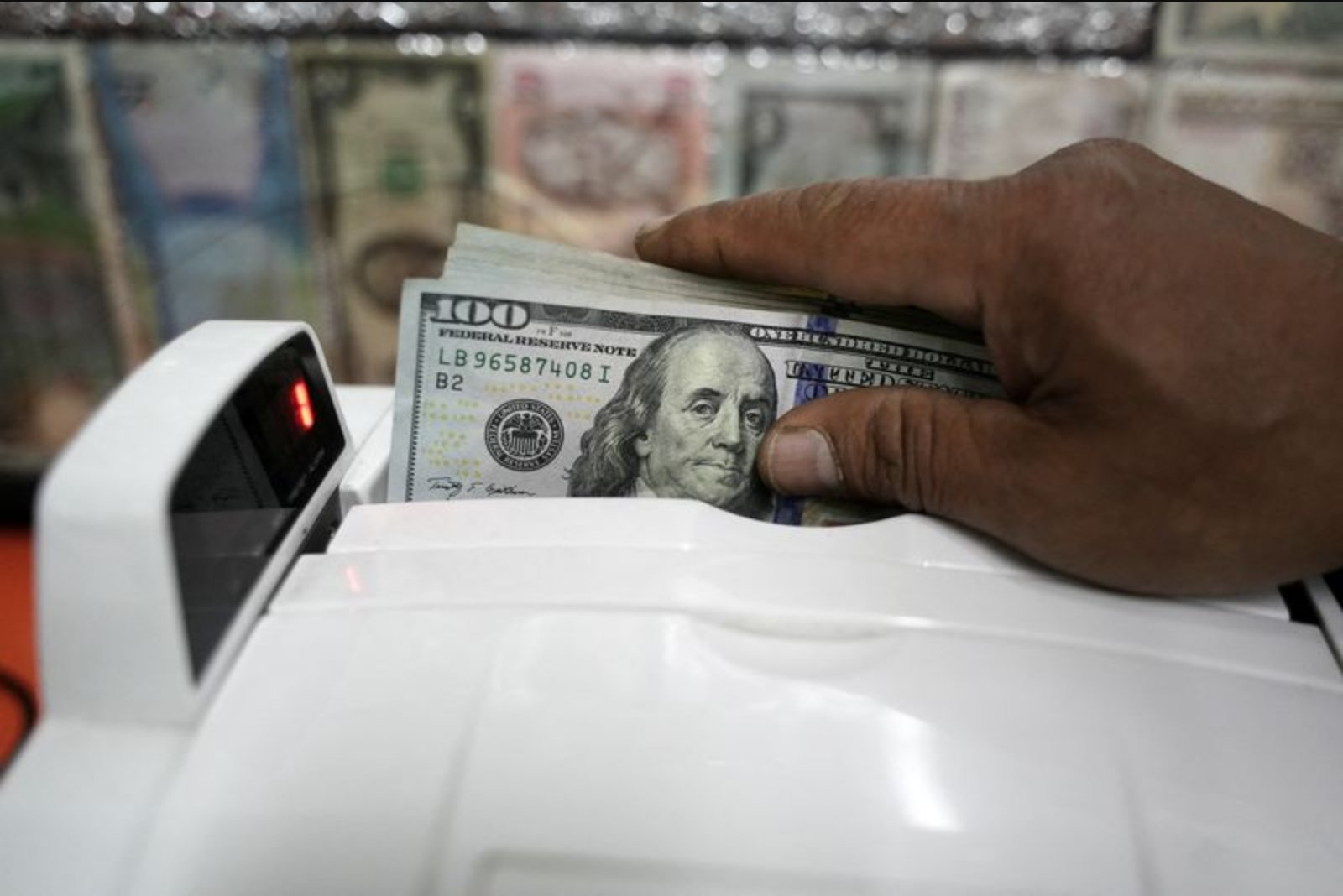
LONDON, May 28 - The U.S. dollar may face downward pressure over the long run as a result of mounting U.S. debt, the EMEA chief executive of JPMorgan Asset Management said on Thursday.
Speaking at a panel during an ICMA conference in London, Patrick Thomson acknowledged the dollar's entrenched status but pointed to fiscal metrics and trade as key considerations for its future strength.
"The hegemony of the U.S. Treasury is still alive and well...but we look at the fiscal balance and trade and the ability to pay back that debt," Thomson said at the panel.
Thomson also observed that the currency has benefited from safe-haven flows in recent months. Since the start of the Iran war in late February, the dollar has appreciated by roughly 1.8 percent, reflecting investor preference for perceived safety during periods of geopolitical stress.
Turning to the longer-term outlook, Thomson argued that the trajectory of the United States' fiscal position is creating an elevated debt burden that he views as unsustainable over time. He said this dynamic supports an argument that the dollar could weaken in the long term.
"There is an argument to say over the long term the U.S. dollar will weaken. The dynamic of the fiscal position in the U.S. is creating that level of debt that is not sustainable in the long run," he added.
In addition to highlighting U.S. fiscal pressures, Thomson suggested that Europe could emerge as a destination for safe assets, implying a potential shift in investor demand for reserve-quality instruments.
The comments underscore a tension between the dollar's current role as the world's primary reserve currency and concerns about the sustainability of U.S. public finances. Thomson framed his remarks around measurable fiscal balances and trade considerations rather than making definitive predictions, noting the continuing prominence of U.S. Treasury securities even as he flagged long-term risks.
Market participants and policymakers monitoring currency and sovereign debt markets will likely weigh such assessments as part of broader evaluations of reserve asset allocation and cross-border capital flows. Thomson's remarks add to the conversation about how fiscal trajectories might influence currency dominance and safe-haven demand over an extended horizon.