
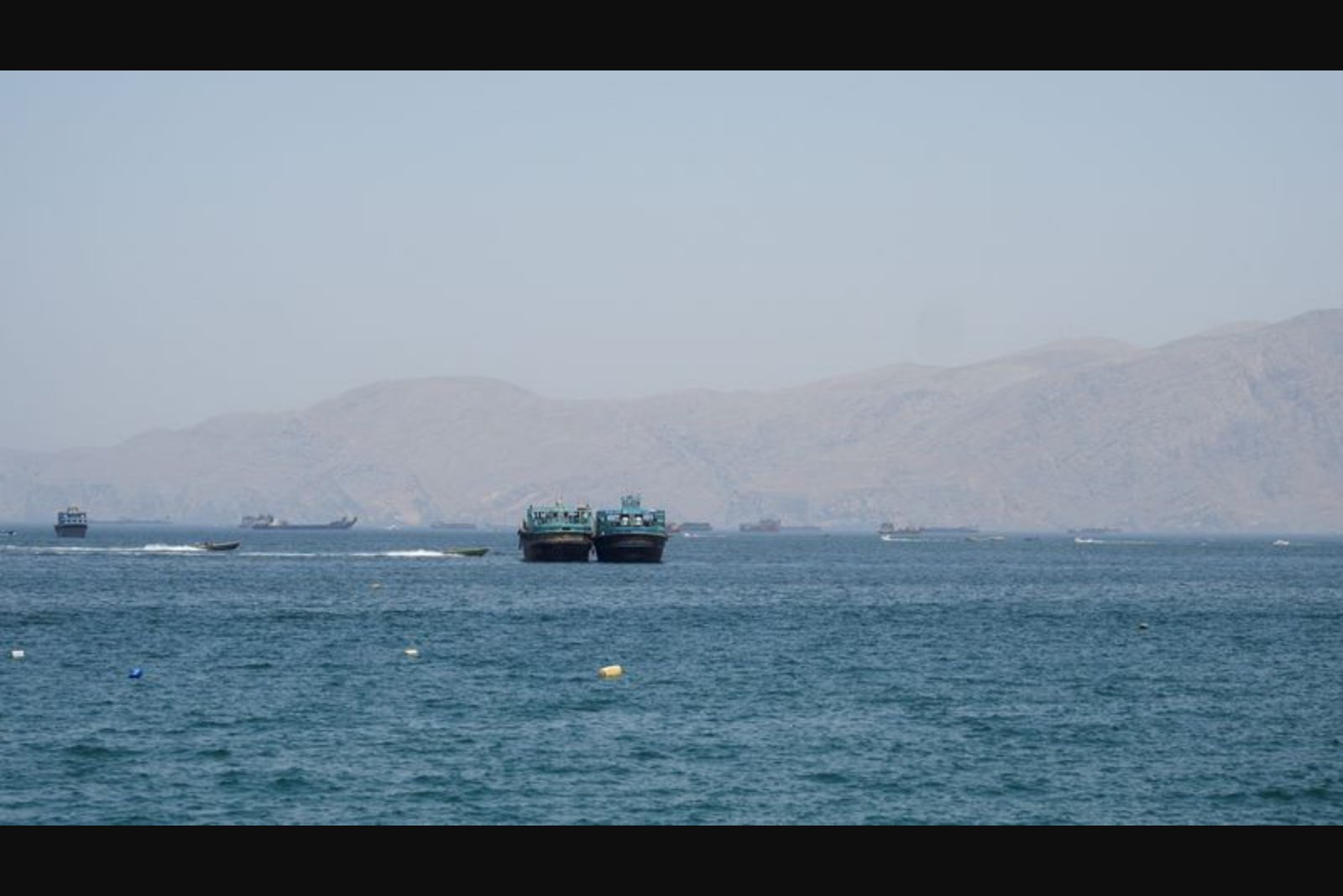
Iran's foreign ministry said on Monday that negotiators have reached conclusions on numerous points within a proposed 14-point memorandum of understanding, yet cautioned that this does not mean a binding deal to end the Middle East war is imminent. The outline being discussed is organized around an exchange: an end to the war and the lifting of a U.S. naval blockade in return for Tehran taking steps to ensure safe transit through the Strait of Hormuz, according to foreign ministry spokesperson Esmaeil Baghaei.
The talks remain complex and several core disputes have not been resolved. Tehran and Washington continue to disagree on Iran's nuclear activities, the conflict in Lebanon involving the Iran-backed Hezbollah militia, and Iran's insistence on the removal of sanctions and release of frozen funds. Both sides, however, say they have made progress on a memorandum of understanding that would pause hostilities and provide negotiators with a 60-day window to finalize a comprehensive agreement.
Senior Iranian diplomat Hossein Nooshabadi told the ISNA news agency that the draft framework under discussion would include the end of the war on all fronts - including Lebanon - the release of blocked Iranian assets, the lifting of the U.S. naval blockade and the reopening of the Strait of Hormuz, a withdrawal of U.S. forces from the vicinity of Iran, and restored freedom for Iran to sell oil. Nooshabadi said the initial draft did not contain commitments on Iran's nuclear programme.
A senior U.S. official, speaking on condition of anonymity, said Iran had agreed "in principle" to open the Strait of Hormuz in return for the United States lifting its naval blockade, and to dispose of Tehran's highly enriched uranium. Baghaei, however, said that the potential initial deal lacked detailed provisions about how the Strait of Hormuz would be managed. Nooshabadi added that management of the strait was being discussed between Iran and Oman and characterized the matter as an Iranian-Omani issue.
Where the talks stand
The memorandum is still a framework rather than a final agreement. If Iran's Supreme National Security Council approves the memorandum of understanding, the next step would be referral to the country's supreme leader for final sign-off. The senior U.S. official said the U.S. understood Supreme Leader Ayatollah Mojtaba Khamenei had endorsed the broad template of the deal.
If the first phase moves forward, negotiators could turn to the nuclear dimension during the 60-day period, Baghaei and Nooshabadi said. U.S. Secretary of State Marco Rubio spoke of entering into a "very real, significant, time-limited negotiation on the nuclear matter" within that 60-day window. The article notes that the previous nuclear agreement, negotiated in 2015 and later revoked by U.S. President Donald Trump in 2018, had taken years and large technical teams to conclude. The implication in the discussions is that replicating that level of technical detail would be difficult within a short period.
Key outstanding issues
- Hormuz and the Gulf blockade - Control of the Strait of Hormuz is a central leverage point for Tehran, while the United States has used a naval blockade of Iranian ports as a countervailing source of pressure. The draft framework would exchange an end to the blockade for Iranian measures to allow safe transit, but precise management arrangements remain undefined.
- Nuclear - The United States maintains that Iran aspires to a nuclear weapon, a claim Iran rejects, saying its programme is for peaceful purposes. The focus of negotiations would be on uranium enrichment: the process can produce fuel for power plants but also can yield material that could be used in a weapon. One conceivable path in discussions would be a lengthy moratorium on enrichment alongside export or dilution of Iran's enriched stockpile, though no specific commitments were included in the draft initial agreement.
- Ballistic missiles - Prior to the recent hostilities, a major U.S. demand was for Iran to limit missile ranges so they could not reach Israel. Iran has consistently resisted including its ballistic missile capabilities in negotiations, asserting that its right to conventional weapons is not up for discussion and noting that it retains a large missile arsenal.
- Sanctions and frozen assets - Iran's economy has been harmed by years of sanctions, contributing to domestic unrest earlier in the year. Tehran is pressing for sanctions relief and for tens of billions of dollars of oil revenues frozen in foreign banks to be released. It is also seeking reparations for war-related damage.
Next steps and procedural hurdles
For the memorandum of understanding to advance, approval is required from Iran's Supreme National Security Council and ultimately from the supreme leader. If those approvals are obtained, negotiators would have the 60-day interval to attempt to convert the framework into a detailed, enforceable treaty. Officials on both sides have signaled that the nuclear file could be one of the principal items to be negotiated during that period, but both Iranian spokespeople cited in the discussions said the initial draft did not bind Iran on its nuclear programme.
Practical considerations
The talks as described leave several technical and political details unresolved, notably how maritime transit through Hormuz would be managed and what specific limitations, if any, would be placed on Iran's enrichment activities and missile capabilities. The framework as outlined would, if implemented, address hostilities, military postures proximate to Iran, the status of blocked assets, and the freedom to market oil, while deferring detailed nuclear negotiations to a later stage within the 60-day timetable.
Supplementary note on investor tools mentioned in original briefings
The original reporting that accompanied these negotiations also referenced investor-oriented products that combine large datasets and algorithmic analysis to help identify market opportunities. Those mentions noted that such services use institutional-grade data and AI-driven insights but do not guarantee investment success.