
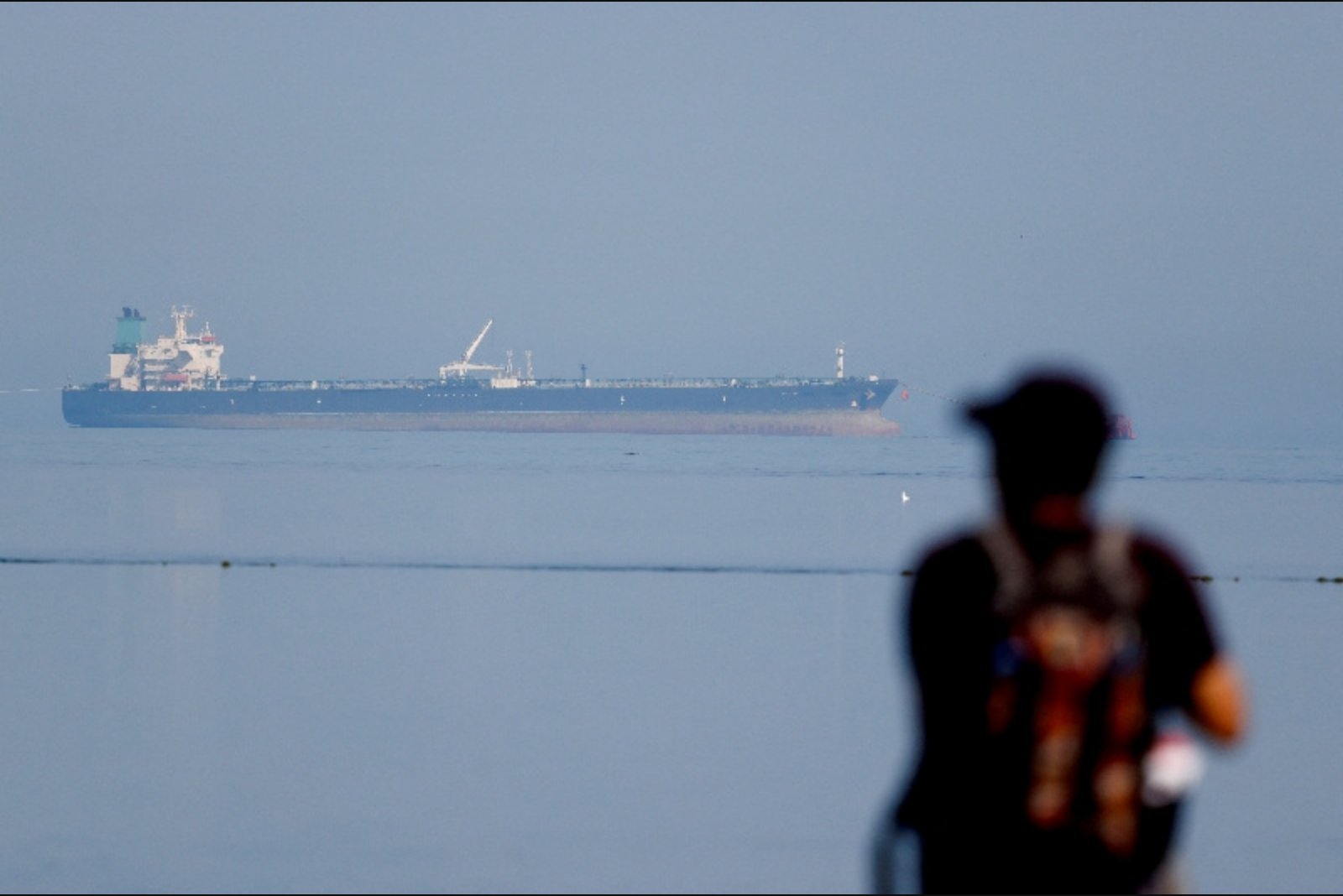
PARIS, May 18 - U.S. Treasury Secretary Scott Bessent on Monday said the Treasury would issue a 30-day general license that reopens a narrow channel for purchases of Russian seaborne oil and petroleum products, temporarily allowing access to cargoes stranded on tankers without breaching stringent U.S. sanctions applied to Russian oil companies.
Bessent said the decision follows the lapse of a prior waiver on Saturday and that the new 30-day authorization will permit the temporary movement of sanctioned crude and refined products that had been loaded prior to the prior cutoff. He framed the measure as a response to requests from countries facing acute energy shortages and as a means to stabilize physical crude markets.
"This extension will provide additional flexibility, and we will work with these nations to provide specific licenses as needed," Bessent said. "This general license will help stabilize the physical crude market and ensure oil reaches the most energy-vulnerable countries."
A source familiar with the decision said the extension was sought by poorer and more vulnerable nations that have been unable to secure shipments from the Gulf because of the U.S.-Israeli conflict with Iran and the resulting closure of the Strait of Hormuz. The waiver is designed to let those states compete for previously sanctioned cargoes, including against major buyers like China, by creating a temporary legal pathway to access oil already at sea.
The authorization represents a reversal of an earlier stance. Bessent had said last month that no further extension of the Russian oil sanctions waiver was planned, but on Monday he argued the measure would help reroute existing shipments to nations in need and ease the pressure on supply chains disrupted by the Iran war.
Officials described the action as the second occasion on which the Treasury allowed a sanctions waiver to lapse and then subsequently extended it. The license mirrors language used in the prior temporary authorization by limiting purchases to crude and petroleum products loaded on vessels by a specified cutoff date, preventing access to oil loaded more recently.
Under the terms carried over from the earlier license, purchases are restricted to cargoes loaded on vessels as of April 17, a limitation intended to cap the volume eligible under the waiver and to prevent newly produced Russian oil from being traded under this special authorization. The waivers do not apply to oil currently being pumped in Russia.
Political backlash emerged swiftly. Two senior Democratic senators, Jeanne Shaheen of New Hampshire and Elizabeth Warren of Massachusetts, criticized the move as an "indefensible gift" to Russian President Vladimir Putin. In a joint statement they said, "Every additional dollar the Kremlin earns from this license helps Putin finance his illegal war against Ukraine and kill innocent Ukrainians." The senators also argued that the temporary relief is not producing lower gasoline prices for U.S. consumers or stabilizing global energy markets.
The Trump administration imposed sanctions last year on major Russian oil companies Rosneft and Lukoil to try to deprive Moscow of revenue to fund its war in Ukraine. The March issuance of a temporary license followed a spike in oil prices after U.S.-Israeli military actions involving Iran, with Treasury officials seeking to release sanctioned Russian oil and petroleum products that had become stuck on tankers in order to relieve short-term shortages and blunt further price spikes.
Market observers and analysts cautioned that the short-term waivers have a limited ability to influence U.S. retail gasoline prices. Stephanie Connor, a former policy director at the Treasury’s Office of Foreign Assets Control who is now a partner at Holland & Knight, said, "It is not yet clear whether these short-term authorizations have had any meaningful impact on U.S. gasoline prices." She also noted that British and European restrictions on Russian oil purchases remain in force, which constrains the broader commercial effect of the U.S. waiver.
Charles Lichfield, deputy director of the Atlantic Council’s GeoEconomics Center, suggested the waivers would bolster Russian oil revenues that have already been supported by elevated world prices and could offset the effects of increased Ukrainian strikes on Russian refineries and other energy infrastructure. He said that information coming from the Russian economy looks poor and that, without a change in approach, U.S. policy had not reached the conclusion that harsher measures were warranted.
Benchmark Brent futures rose about 2.6% on Monday, closing above $112 per barrel, as traders reacted to persistent supply concerns and the continued closure of the Strait of Hormuz. Crude had earlier pulled back in response to a report from an Iranian news agency that the U.S. was considering temporarily lifting sanctions on Iranian oil during peace talks; a subsequent account citing a U.S. official said that earlier report was false. That report has not been independently verified.
In related diplomatic remarks, Bessent, who is in Paris to attend a meeting of Group of Seven finance leaders, urged stronger enforcement of sanctions on Iran by the G7 and other partners. He told reporters, "We call upon all our G7 and indeed all of our allies and the rest of the world to follow the sanctions regime, so that we can crack down on the illicit finance that is fueling the Iranian war machine and give this money back to the Iranian people."
Separately, a U.S. political leader later said he paused a planned attack on Iran to allow negotiations to continue.
The temporary waiver is intended as a stopgap to ensure that previously loaded cargoes can be resold to nations under acute supply stress. Its design - limiting eligible volumes to cargoes loaded by a fixed date and excluding newly produced Russian oil - aims to restrict its scope. Nevertheless, critics warn it provides immediate financial relief to Russia at a time when policymakers are weighing how best to respond to concurrent conflicts and their global economic ripple effects.
How much impact this latest 30-day license will have on global fuel markets, consumer pump prices in the United States, and the broader geopolitics of energy trade remains uncertain. Officials emphasized targeted use of the authorization and the potential for specific additional licenses as conditions warrant, while opponents focused on the potential for increased revenues to Kremlin coffers and the moral and strategic implications of easing sanctions, even briefly.