
Diplomats say the United States is drafting a resolution that would condemn Iran ahead of a quarterly meeting of the International Atomic Energy Agency’s 35-member Board of Governors next week. The step, still at the drafting stage and not yet circulated, could complicate parallel negotiations between Washington and Tehran on extending a ceasefire and opening talks on Iran’s nuclear program.
U.S. President Donald Trump has maintained that Iran must never develop a nuclear weapon. Iran has repeatedly responded that it would never seek such a capability.
The diplomats said Israeli and U.S. military strikes last June destroyed or severely damaged the three uranium-enrichment plants known to have been operating in Iran at that time. Despite the strikes, much of Iran’s highly enriched uranium is believed to have survived - although the IAEA has not had access to verify that material directly.
With the board set to meet next week, Washington is preparing a text but has not yet circulated it, so the resolution's contents remain unclear, diplomats accredited to the IAEA said. Iran has historically reacted strongly to prior board resolutions, often responding by escalating nuclear activities or by reducing cooperation with the agency.
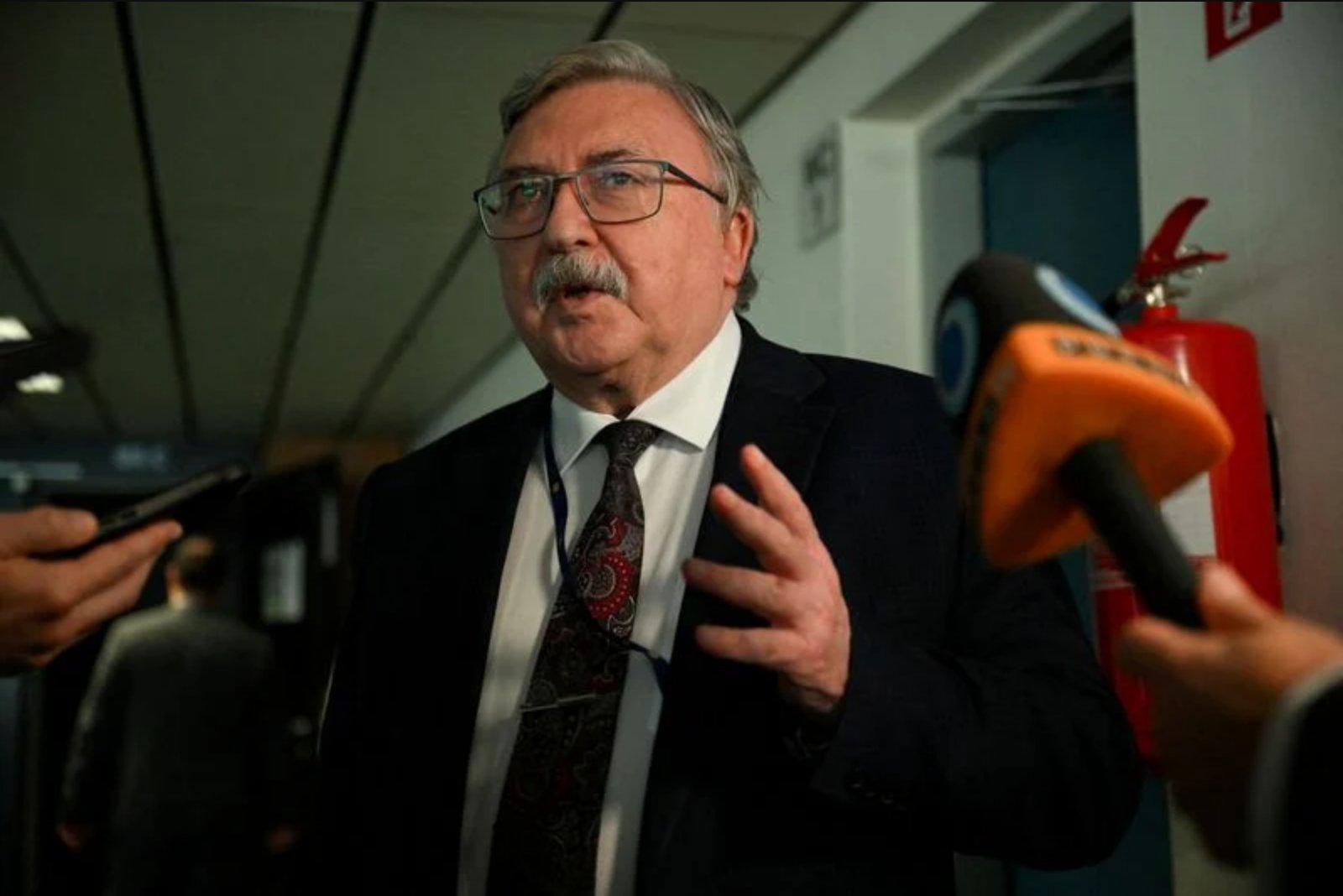
"I believe it may antagonize the Iranian side," Russia’s ambassador to the IAEA, Mikhail Ulyanov, told reporters, referring to the possible U.S. draft resolution.
Russia and China have opposed all recent IAEA board resolutions targeting Iran that were jointly submitted by the United States, Britain, France and Germany. Those prior measures passed by a wide margin despite the objections.
Ulyanov also said he did not expect the United States to formally submit the draft, and offered a likely description of its contents: "As far as I know, they are going to call upon Iran to provide access to the agency’s personnel to nuclear facilities on the territory of Iran." The U.S. mission to the IAEA declined to comment.
The IAEA last adopted a resolution addressing Iran in November, urging Tehran to inform the agency "without delay" about the status of its enriched uranium stock and of atomic sites hit in strikes - matters Iran has not yet reported on to the agency. A separate resolution in June found Iran in breach of its non-proliferation obligations for the first time in nearly 20 years, raising the possibility of referring the matter to the U.N. Security Council - a step the board has not taken.
Context and next steps
Diplomats described the text as being in preparation rather than formally submitted. Given that the draft has not been circulated, details remain limited and the agency's board must still consider any proposal at the meeting next week.
The diplomatic interactions over the draft resolution and ongoing ceasefire negotiations between Washington and Tehran are unfolding concurrently, creating potential tensions ahead of the IAEA board session.