
Commodities June 22, 2026 02:29 PM

U.S. Proposes Major Rollbacks to Bonding and Permitting Rules for Drillers on Federal Lands

Interior Department seeks steep cuts to state bonding levels, a shorter public comment window and relaxed methane controls for oil and gas operations

By Caleb Monroe
Share
Twitter Reddit Facebook LinkedIn

The Department of the Interior has put forward a set of regulatory changes that would reduce financial assurances and compress permitting timelines for oil and gas activity on federal lands, while easing certain methane-related compliance requirements. The package would lower statewide well bond levels to $25,000 per state from $500,000, shorten public participation in permitting to 10 days from 90 days, and rescind measures aimed at curbing methane emissions, a move the department says will trim compliance costs by about $17 million annually.

U.S. Proposes Major Rollbacks to Bonding and Permitting Rules for Drillers on Federal Lands
Summarize with
ChatGPT Perplexity Claude Grok Gemini

Key Points

  • The Interior Department proposes lowering statewide bond requirements for wells to $25,000 per state from $500,000; bonds pay for plugging wells if operators go out of business - impacts oil and gas companies and public lands management.
  • The agency would reduce the public comment period in oil and gas permitting from 90 days to 10 days, affecting the permitting process and stakeholder engagement related to federal land leasing and development.
  • The proposal would roll back methane-control requirements for oil and gas operations, which the Interior Department estimates would cut compliance costs by nearly $17 million annually - relevant to energy producers and environmental compliance budgets.

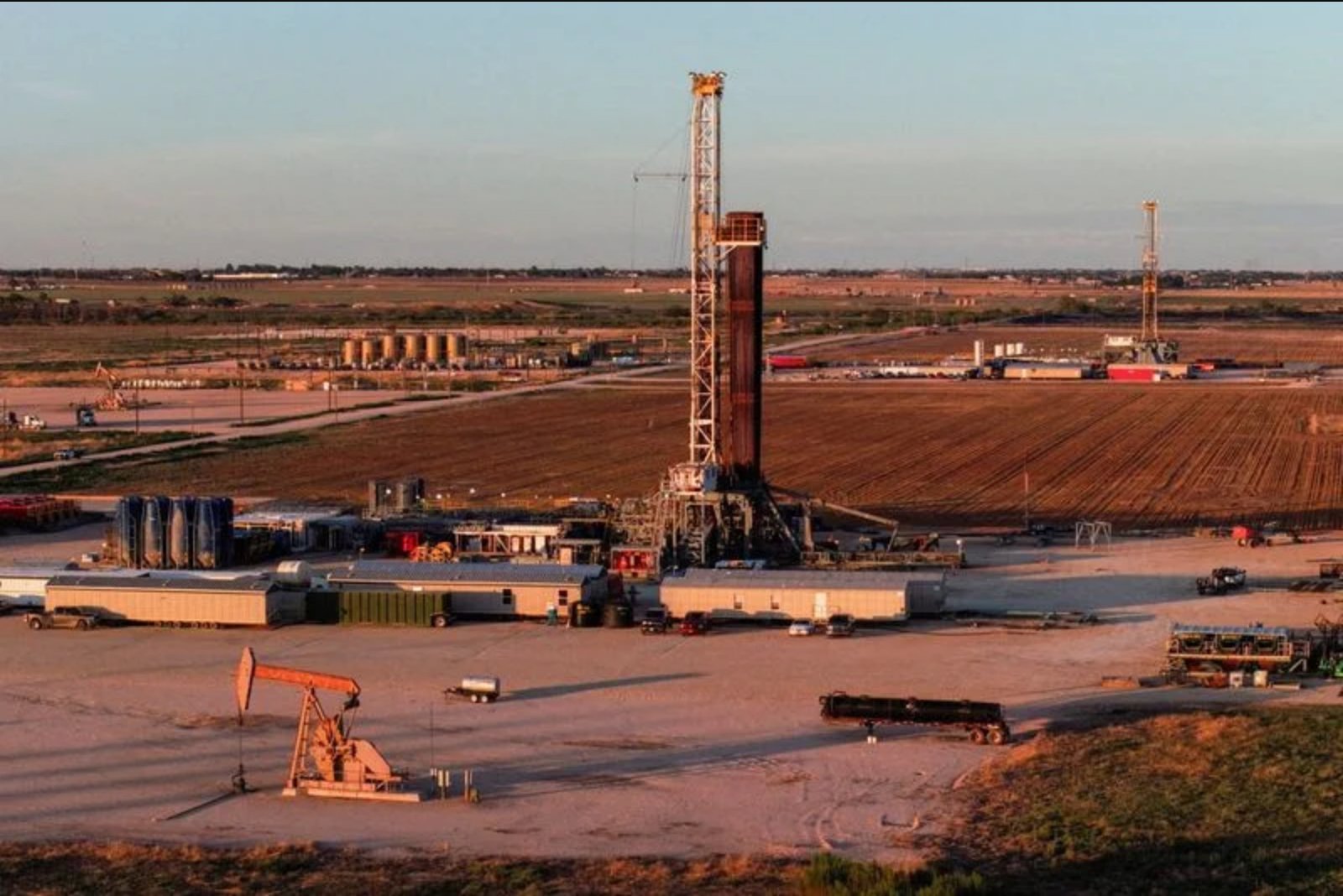
The U.S. Interior Department on Monday released a proposal to relax multiple rules governing oil and gas drilling on federal lands, including a sharp reduction in the funds required to cover the eventual plugging of abandoned wells.

Interior Secretary Doug Burgum framed the package as a targeted update intended to remove bureaucratic barriers and encourage investment: "These targeted updates cut through the red tape that has historically deterred investment, ensuring our public lands remain a reliable engine for economic growth and innovation," he said in a statement.

Under the plan, the department would drop the statewide bonds for wells to $25,000 per state from the previous $500,000 level established during the Biden administration. These bonds are intended to cover the cost of plugging oil and gas wells if the operating company ceases operations.

The rule change on bonds sits alongside several other alterations to the federal oil and gas regime. The Interior Department proposes shortening the public participation period in oil and gas permitting from 90 days to 10 days, a substantial compression of the current comment window.

Another component of the proposal targets methane-related requirements. The agency is considering rolling back regulations designed to limit methane emissions from oil and gas operations. The Interior Department estimates that repealing or easing those requirements would lower compliance expenses by nearly $17 million per year.

The proposal cites cost figures related to well plugging: a 2021 analysis by the non-profit Resources for the Future estimated the expense of plugging a single oil and gas well at about $20,000. Bonds exist to ensure those costs are covered if a company goes out of business.

The package is presented as consistent with the administration's broader objective of reducing regulatory burdens and facilitating expanded investment in domestic fossil fuel production. The department's proposal touches on financial assurance, public engagement in permitting and environmental compliance obligations tied to methane - a greenhouse gas that can leak from drill sites and pipelines.


Contextual note: The elements and cost estimates above are those provided by the Interior Department and the cited 2021 analysis; the proposal describes expected changes in compliance costs and procedural timelines but does not detail additional implementation steps within this announcement.

Risks

  • Reduced bond levels could leave insufficient funds to cover plugging costs if liabilities exceed the lowered statewide bond amount, a risk to public-land remediation responsibilities and potentially state or federal budgets.
  • A shortened public participation window could limit stakeholder input and oversight in permitting decisions, increasing procedural uncertainty for community groups and other interested parties.
  • Easing methane-related requirements could raise environmental and regulatory scrutiny due to methane's potency as a greenhouse gas and its tendency to leak from drill sites and pipelines.

More from Commodities

U.S. Issues 60-Day License Allowing Iranian Oil Sales Amid Continued Peace Talks Jun 22, 2026 Saudi Crude Shipments Fall to Record Low in April as Production Slumps Jun 22, 2026 Seventh Leader in Ten Years as Peace Talks Temper Oil Moves and Markets Weigh Political Shockwaves Jun 22, 2026 European Gas Inches Higher as Hormuz Transit Confusion and U.S.-Iran Talks Unnerve Markets Jun 22, 2026 Silver Inches Higher Toward Key Resistance as Downtrend Holds Jun 22, 2026