
Overview
Sources involved in the recent negotiations report that the United States and Iran have agreed in principle to a memorandum of understanding that would halt active hostilities, restore commercial traffic through the Strait of Hormuz, and remove a U.S. blockade and certain sanctions on Iran. The document is reported to set a 60-day window for negotiators to convert the memorandum into a final, binding deal. The texts are not yet finalised and have not been confirmed by all parties involved.
Where the talks stand
Following a ceasefire in early April, both sides have continued to negotiate over a number of unresolved topics. These include Iran's nuclear ambitions, the war between Israel and Hezbollah in Lebanon, Tehran's requests for lifting sanctions and the release of frozen assets, and questions around security arrangements in the Gulf and the Strait of Hormuz.
After several weeks of largely indirect conversations, four people with direct knowledge of the discussions said that a memorandum of understanding had been agreed that would pause the war and provide a 60-day period for negotiators to hammer out a complete accord. However, officials on both sides have in the past indicated that an agreement was near without then concluding a final text.
The role of Israel is a particularly sensitive component. Israel participated in the air campaign that began on February 28 alongside U.S. forces, and its position is central to any broader settlement. At the time of reporting, U.S. presidential approval of the draft agreement had not been granted. Vice President JD Vance stated: "We’re not there, but we’re very close and we’re going to keep working on it."
Confirmation and positions
Iran had not issued an official public statement confirming the deal. A semi-official Iranian outlet cited a source close to the negotiating team who said the agreement language had not been finalised or confirmed. Iranian participants have previously described any framework deal as focused first on ending active hostilities on all fronts, establishing a 30-day arrangement for international and Iranian movement through the Strait of Hormuz, and possibly providing some financial relief. Subsequent weeks of talks would then address the more technically and politically challenging questions.
Main issues left to resolve
Strait of Hormuz and Gulf blockade
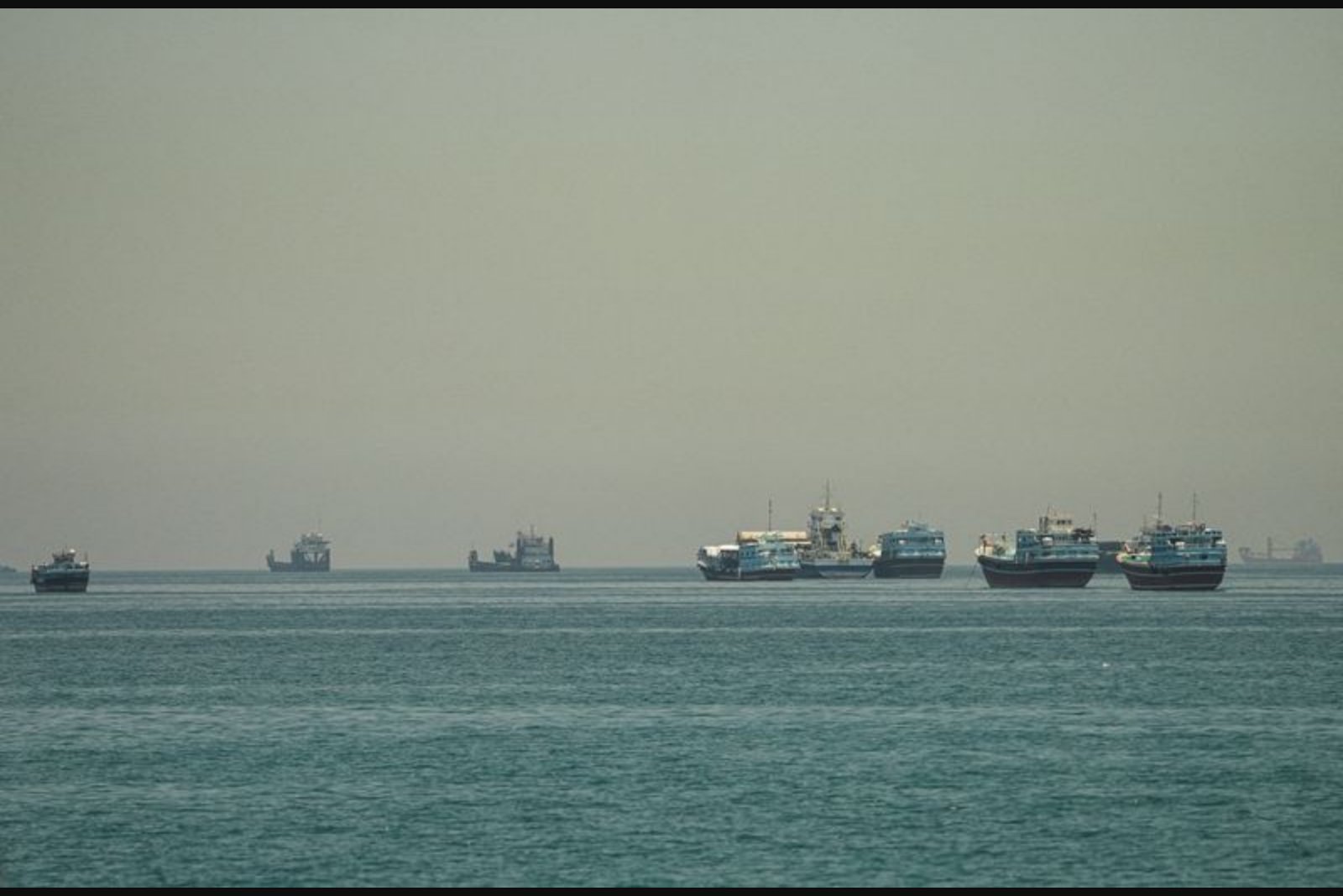
The closure of the Strait of Hormuz had disrupted roughly a fifth of global oil and liquefied natural gas supplies and pushed oil prices higher. Reopening the strait has been a top priority for the United States while it remains Iran's principal source of leverage. Even if an agreement is reached in principle, reopening the waterway could take time. Several vessels remain stranded in the Gulf, and Iran has stated that it deployed sea mines that may be difficult to locate and remove. The U.S. blockade on Iranian ports has been reducing Iran's export volumes and state revenue, making lifting the blockade a central Iranian demand. How far U.S. forces would withdraw from regional positions is a potentially delicate question.
Nuclear programme
The nuclear file continues to be one of the most complex elements for negotiators. The United States has expressed the assessment that Iran seeks the capability to produce a nuclear weapon, while Iran has consistently denied any intention to build a bomb, maintaining that its nuclear activities are for peaceful purposes. The immediate technical focus is on uranium enrichment. Uranium enriched to low levels is used for power generation, but higher enrichment levels can be repurposed for weapons material.
Participants in the talks have described one possible technical concession in which Iran might agree to have part of its highly enriched uranium diluted in a third country and returned at 5% enrichment. But even if such steps are taken, other difficult questions would remain: the duration and scope of any suspension of the nuclear programme, whether particular nuclear sites would be dismantled, the fate of uranium stockpiles enriched to 20% and 5%, the status of advanced centrifuges and research programmes, and the precise rules for any inspections regime. Observers note that the last comprehensive nuclear accord reached in 2015 and later abandoned in 2018 required years of detailed negotiations by technical teams, underscoring that the current timeframe will likely be challenging.
Ballistic missiles
A significant U.S. demand prior to the recent conflict was that Iran cap the range of its ballistic missile arsenal so that missiles could not reach Israel. Iran maintains that its conventional weapons capabilities are a sovereign right and that it possesses a substantial missile inventory. How to reconcile these opposing positions remains unresolved.
Sanctions and frozen assets
Sanctions have been a long-standing pressure point on Iran's economy and were cited as a contributing factor to nationwide unrest in January. Tehran seeks not only the lifting of sanctions but also the release of tens of billions of dollars in oil revenues currently frozen in foreign banks. Iran has also requested reparations for damage sustained during the war. The United States has resisted broad concessions here; domestic political reactions to previous returns of frozen assets have been sharply critical. Some reports indicate that the current draft may contemplate an investment programme for Iran, but the sequencing of sanctions relief, financial transfers and security guarantees remains among the most contentious points.
Lebanon and Hezbollah
Iran has repeatedly insisted that the conflict between Israel and Hezbollah in Lebanon must be part of any comprehensive resolution. Though Israel and Lebanon reached a ceasefire last month, both sides continue to accuse one another of breaches, and Israel is intensifying operations in southern Lebanon. Israel would likely oppose any agreement seen to constrain its freedom to act in Lebanon, adding another layer of diplomatic complexity.
Implications for markets and sectors
Energy markets, shipping and banking sectors are directly affected by the progress and content of any deal. Reopening the Strait of Hormuz would influence oil and liquefied natural gas flows, while lifting a blockade and easing sanctions could restore export revenue to Iran and affect global commodity pricing. Banks and custodians holding frozen Iranian assets would be central to any financial transfers or investment programmes, and regional security arrangements would bear on defence and insurance markets linked to shipping.
Outlook
While a memorandum of understanding could be a substantial step toward ending the war and easing immediate pressure on energy supplies, negotiators still face an array of technically dense and politically sensitive topics. The 60-day period envisaged by the memorandum would need to accommodate complex technical work on uranium, centrifuge and inspection arrangements, as well as carefully sequenced political decisions on sanctions relief, naval security and regional conflicts such as the situation in Lebanon. Until those items are resolved and the formal text is approved by all relevant parties, including the United States' executive authorities and regional stakeholders, the reported understanding remains provisional.
Clear summary
U.S. and Iranian negotiators have reportedly agreed a memorandum of understanding that would pause hostilities, restore movement through the Strait of Hormuz and lift a U.S. blockade and some sanctions, with a 60-day deadline to finalise a deal. Major outstanding items - covering nuclear enrichment, the presence of sea mines, sanctions sequencing, Israel's security concerns and Lebanon's conflict with Hezbollah - will require further, technically detailed negotiations.