
Officials are reported to be nearing agreement on a temporary deal that would extend a ceasefire for 60 days and include measures to reopen the Strait of Hormuz, permit Iran to sell oil without restrictions and initiate talks on curbing Iran's nuclear program.
Key elements of the draft
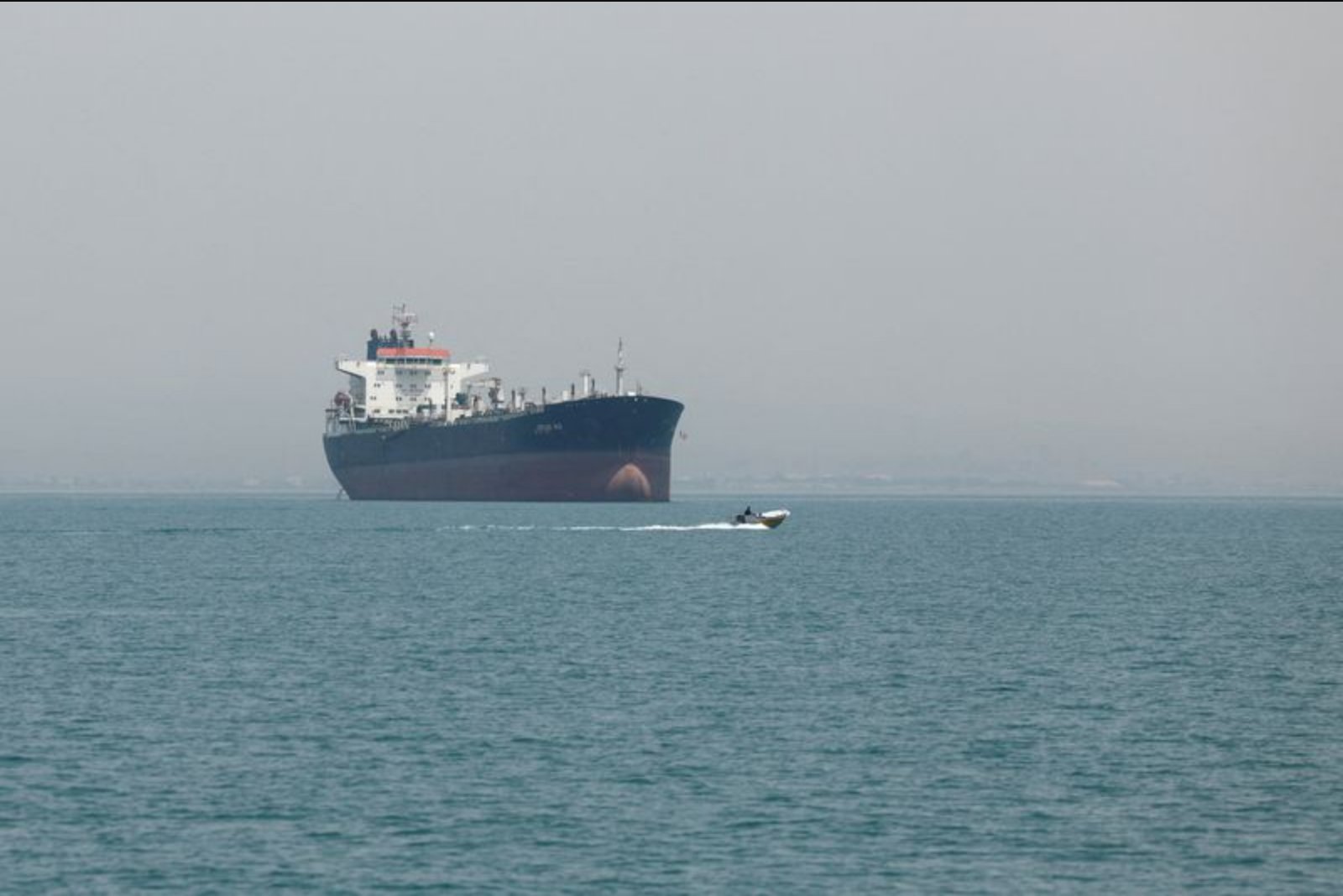
Under the draft arrangement, the Strait of Hormuz would be reopened for two months with no tolls applied to transiting vessels. The proposal calls for Iran to remove mines it deployed in the strait so that ships can transit freely. In return, the United States would agree to lift its blockade on Iranian ports and provide certain sanctions waivers that would enable Iran to sell oil without the current impediments.
The draft also reportedly contains commitments from Iran not to pursue nuclear weapons. It would set negotiations in motion over the suspension of Iran's uranium enrichment program and the dismantling or removal of its stockpile of highly enriched uranium. These nuclear-related concessions are framed as subjects for negotiation during the 60-day period.
Signals and assurances
Sources indicate that Iran gave verbal commitments, conveyed through mediators, about the scope of concessions it would consider on suspending enrichment and relinquishing nuclear material. The reported assurances were described as verbal commitments about the scope of Iran's potential concessions.
The draft further envisions that the United States would use the 60-day window to negotiate the lifting of additional sanctions and the unfreezing of Iranian funds. Those discussions are included as part of the temporary framework.
Responses and next steps
Requests for comment about the report did not elicit an immediate response from the White House. The draft is framed as a temporary set of measures to be implemented and negotiated over within the 60-day ceasefire extension.
Implications
The reported arrangement links immediate operational measures affecting maritime traffic in a strategic chokepoint with broader diplomatic negotiations on sanctions and nuclear activities. The package couples operational guarantees for commercial shipping - reopening the strait and clearing mines - with economic relief by means of sanctions waivers and port access, while setting a timetable for talks on enrichment suspension and removal of highly enriched uranium.
Details remain at the draft stage, with verbal assurances and planned negotiations forming the backbone of the reported framework during the two-month period.