
WASHINGTON, May 27 - U.S. President Donald Trump said on Wednesday he was not worried that the November midterm elections would force him to make concessions in the conflict with Iran, asserting that Tehran had misread his priorities.
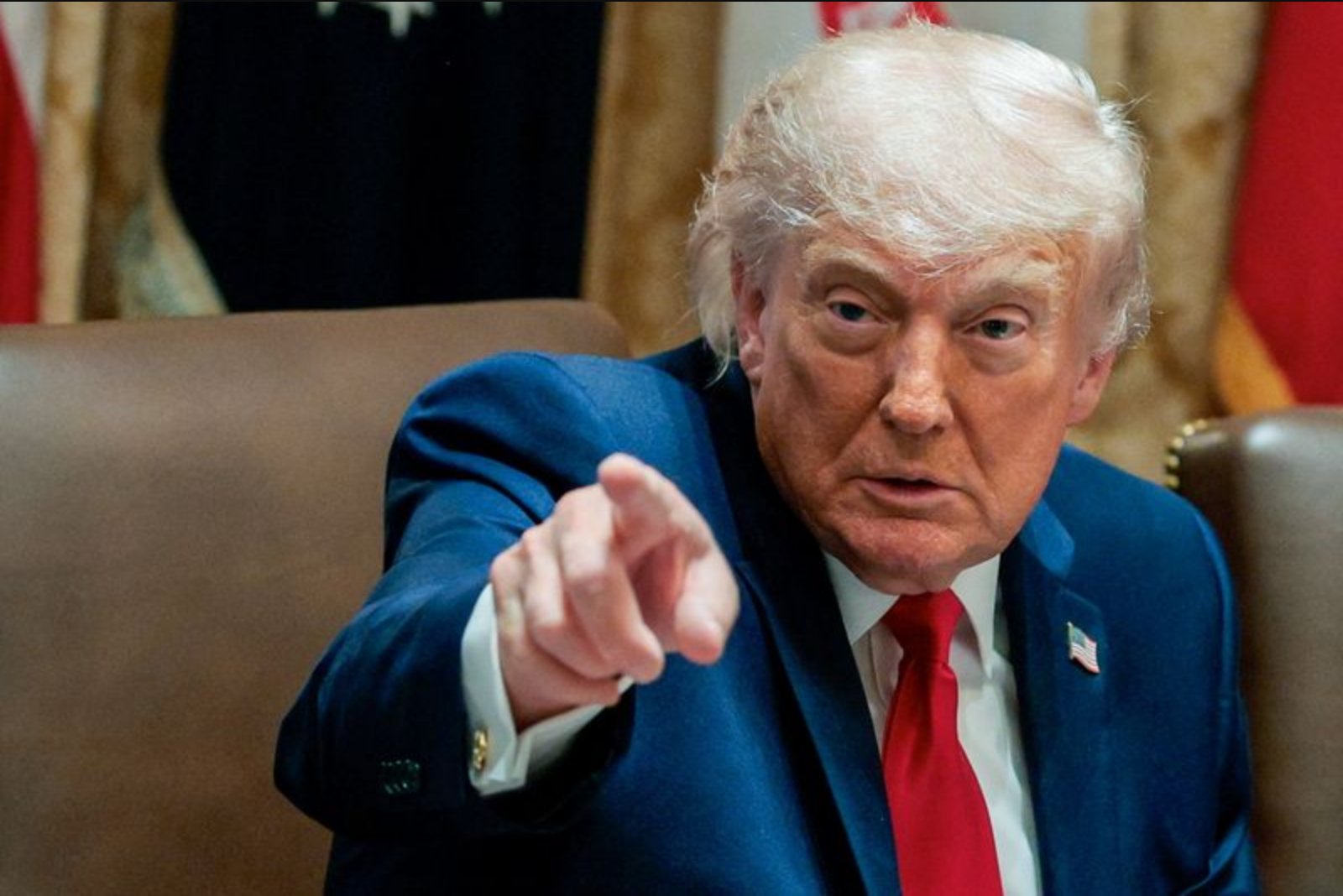
Speaking at a White House cabinet meeting while discussing options to end the conflict, the president said Iranian leaders had assumed they could "outwait" him because of the midterms. "They thought they were going to outwait me," he said, referring to Iran's leadership. "You know, 'We'll outwait him. He's got the midterms.' I don't care about the midterms."
Trump's comments came against a backdrop of unease among some Republican allies over earlier remarks he made downplaying the economic effects of the war on American households. The president had at times predicted a short conflict, initially saying it would last four to six weeks; the confrontation is now approaching its fourth month. He has alternately suggested the fighting could end quickly and acknowledged that it might continue for a longer period.
Growing voter frustration over high prices, particularly at the gasoline pump, has increased political pressure on the Republican Party. That unease is coinciding with expectations that Republicans may struggle to hold the House of Representatives and could face challenges in the Senate as well.
Republican tensions were heightened by the outcome of a Texas primary in which the president endorsed Ken Paxton over incumbent Senator John Cornyn. Paxton, who has faced an indictment for felony fraud and is undergoing a divorce that his wife has pursued on biblical grounds, won the Tuesday party primary decisively after receiving the president's endorsement. Democrats now view the Senate seat in the strongly Republican state as potentially competitive in November.
"Look at what happened last night," Trump said, referring to Paxton's victory. "That was a prelude to the midterms."
At the same Cabinet meeting, the president also discussed domestic construction projects in the capital. Some Republican lawmakers have suggested these projects are a distraction from more pressing economic concerns. A review of his public statements since January found that the president has increasingly referenced the White House ballroom, renovation plans for the Reflecting Pool and proposals for a large arch.
Those remarks and programmatic references come as the administration balances managing the foreign policy challenge with addressing economic anxieties at home. Trump framed his stance on the conflict with Iran as unaffected by electoral timing, even as his party faces voter disquiet over rising living costs and scrutiny over intra-party endorsements.