
Summary
President Donald Trump said on Thursday that the United States will at some point recover Iran’s stockpile of highly enriched uranium, despite Iranian statements that the material will not be turned over. Trump emphasized that the U.S. does not want or need the uranium and indicated it would probably be destroyed after recovery. Tehran’s leadership has issued a directive that near-weapons-grade uranium should not be exported.
Details of the pledge
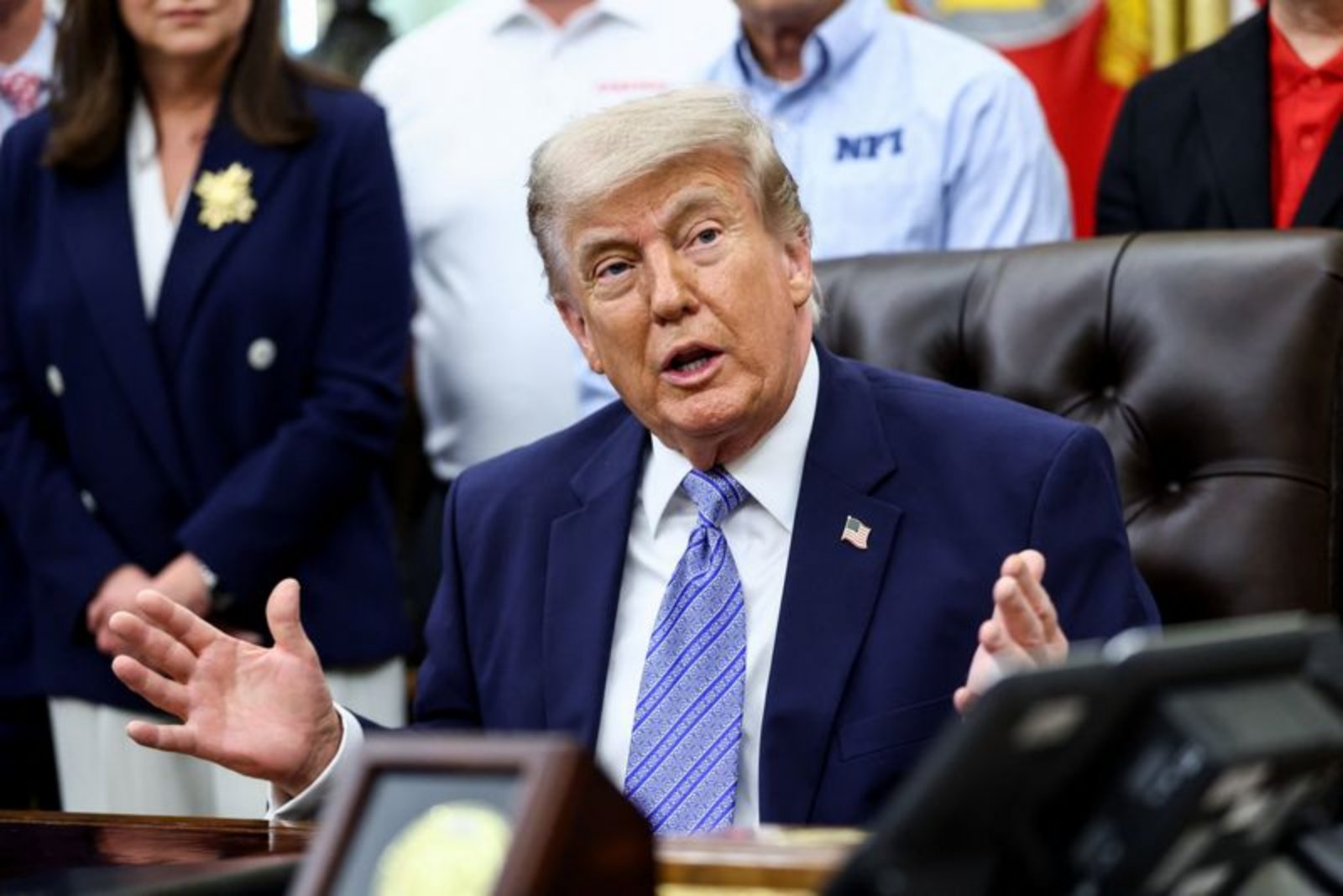
Speaking to reporters at the White House, the president said: "We will get it. We don’t need it, we don’t want it. We’ll probably destroy it after we get it, but we’re not going to let them have it." He framed the retrieval of the material as a concrete objective tied to broader U.S. goals vis-a-vis Iran.
Quantity and origin of the material
The uranium in question is believed to amount to about 900 pounds of highly enriched material. The president has said this stockpile was buried following U.S. and Israeli airstrikes nearly a year ago.
Policy context
Recovering the uranium is presented as part of the central aim of the administration's campaign against Iran - specifically, to prevent Tehran from developing a nuclear weapon. At the same time, Iran's leadership has issued a directive that its near-weapons-grade uranium should not be shipped abroad, according to two senior Iranian sources who spoke to officials.
Key points
- The president vowed the United States will recover Iran’s highly enriched uranium and likely destroy it after recovery.
- Iran is believed to have about 900 pounds of the material, which the president said was buried after airstrikes nearly a year ago.
- Tehran’s leadership has directed that near-weapons-grade uranium should not be sent out of the country, creating a standoff over transfer.
Risks and uncertainties
- Iran has indicated it will not hand over the material, creating uncertainty about how retrieval could proceed and potential political or security implications - relevant to defense and geopolitical risk.
- The Supreme Leader’s directive that near-weapons-grade uranium remain in the country raises uncertainty about any plan to move the material abroad - impacting diplomatic and non-proliferation efforts.
- Statements about prior airstrikes and buried material leave open questions about the physical condition and accessibility of the uranium, which has implications for any retrieval operation.
The information presented reflects statements made by the president and reported positions from Iranian leadership and senior Iranian sources. Details about operational plans, timelines, or responses from other parties were not specified in these statements.