
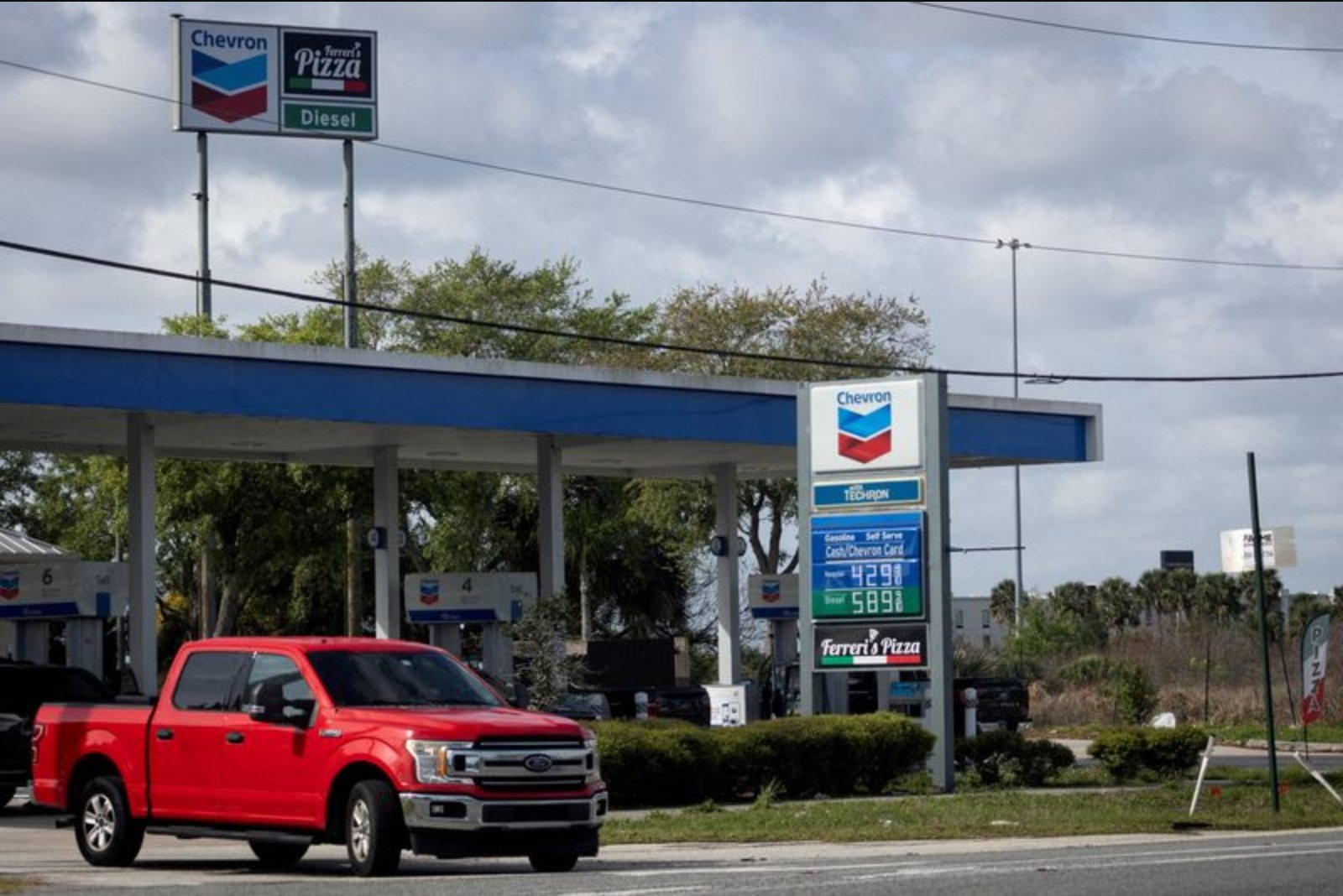
It has been three months since the conflict centered on Iran began, and U.S., Israeli and Iranian forces remain engaged in military operations. Physical energy flows from the Gulf have been sharply curtailed as shipping through the Strait of Hormuz sits at a virtual standstill, and Brent crude continues to trade close to $100 per barrel.
Despite the ongoing hostilities and the severe disruption to physical oil supplies, the broader financial upheaval has been comparatively muted. An early stated expectation of a weeks-long campaign no longer holds, and the conflict’s persistence is forcing markets and policymakers to reassess timing and pathways for economic adjustment.
A separate column has argued that President Donald Trump may have to put aside a long-assumed preference for a weaker dollar for the time being. There is also a Morning Bid daily podcast that covers the principal developments in markets and finance; the podcast discusses major market-moving stories each weekday.
Recent military and market developments
Hopes this week that a peace agreement might be in the offing were checked when the United States and Iran exchanged missile strikes overnight, while Israel pressed on with attacks in southern Lebanon and issued new evacuation orders for parts of the region. Following the U.S.-Iran strikes, Brent crude rose by more than 1% early on Thursday, reversing some of the prior session’s losses; the day before, Brent had closed roughly 5% lower amid optimism about a potential peace deal.
In equity markets, Wall Street futures inched down before the opening bell on Thursday, and Asian indexes closed lower as the latest developments in the Middle East interrupted a technology-led rally in the region.
Most consequential for global energy and finance, however, is the near-total halt of crude shipments from the Gulf. With the Strait of Hormuz effectively blocked, little if any oil is moving out of the region, sustaining elevated price levels and keeping supply-side risk elevated.
U.S. data to sharpen policy outlook
Investors will get a clearer read on the domestic inflation trajectory on Thursday when April personal consumption expenditures (PCE) data are released. Consensus expectations point to annual inflation rising to 3.8% in April, nearly double the Federal Reserve’s 2% objective, with projections suggesting it could exceed 4% in May.
The day’s economic slate also includes weekly jobless claims, April durable goods orders and a revision to first-quarter GDP. Collectively, these releases are likely to shape market expectations for Federal Reserve action heading into the central bank’s June meeting.
Market pricing currently implies a hawkish tilt. Fed Governor Lisa Cook said late Wednesday that if disinflation does not resume soon, she would be "prepared to raise rates". Attention will focus on the Fed’s updated projections next month and whether the median projection - the so-called "dot" on year-end policy rates - signals more easing than is currently anticipated. For now, the median path still includes one rate cut for the year.
There is also some conjecture that incoming Fed chair Kevin Warsh, who is reported to dislike forward guidance, might choose to withhold the ‘‘dot plot’’ once he conducts reviews of Federal Reserve procedures. That prospect is part of current market discussion about potential changes in how the central bank communicates policy plans.
Mortgage trends and other market indicators
Mortgage markets are reflecting the persistence of higher interest rates. The Mortgage Bankers Association reported that the average 30-year fixed-rate mortgage climbed by nine basis points to 6.65% in the week ending May 22. According to that report, the 30-year rate was last higher in August 2025, before the Federal Reserve began a series of interest rate cuts. The 30-year fixed mortgage rate has remained consistently above 6% since September 2022.
Corporate reports and market calendar
On the corporate front, major retail names will post results this week, with Costco and Best Buy scheduled to report. Other listed companies releasing earnings in the session include Dell Technologies and Dollar Tree. These reports will provide additional context on consumer demand and margins at a time when inflation and interest rates are prominent tailwinds or headwinds for different sectors.
Events to watch today
- U.S. April PCE data - 8:30 a.m. EDT
- U.S. April durable goods orders - 8:30 a.m. EDT
- U.S. Q1 GDP revision - 8:30 a.m. EDT
- Weekly jobless claims - 8:30 a.m. EDT
- U.S. 7-year note auction - 1 p.m. EDT
- Speakers: New York Fed president John Williams; St. Louis Fed’s Alberto Musalem; Richmond Fed’s Thomas Barkin
- Corporate earnings: Best Buy, Costco, Dell Technologies, Dollar Tree
As the conflict in the Gulf stretches into a third month, markets continue to weigh the implications of constrained physical oil flows against surprisingly contained financial market reactions. The near-term policy outlook for the Federal Reserve will be shaped by incoming inflation and growth data, while geopolitical developments will remain a key driver of energy prices and risk sentiment.
Separately, an investment research product called ProPicks AI is mentioned as evaluating DELL alongside thousands of other companies monthly, using more than 100 financial metrics. The service says it applies AI to generate stock ideas, assessing fundamentals, momentum and valuation to identify potential risk-reward opportunities. It cites notable past winners and invites readers to explore whether DELL features in current strategies.