
Overview
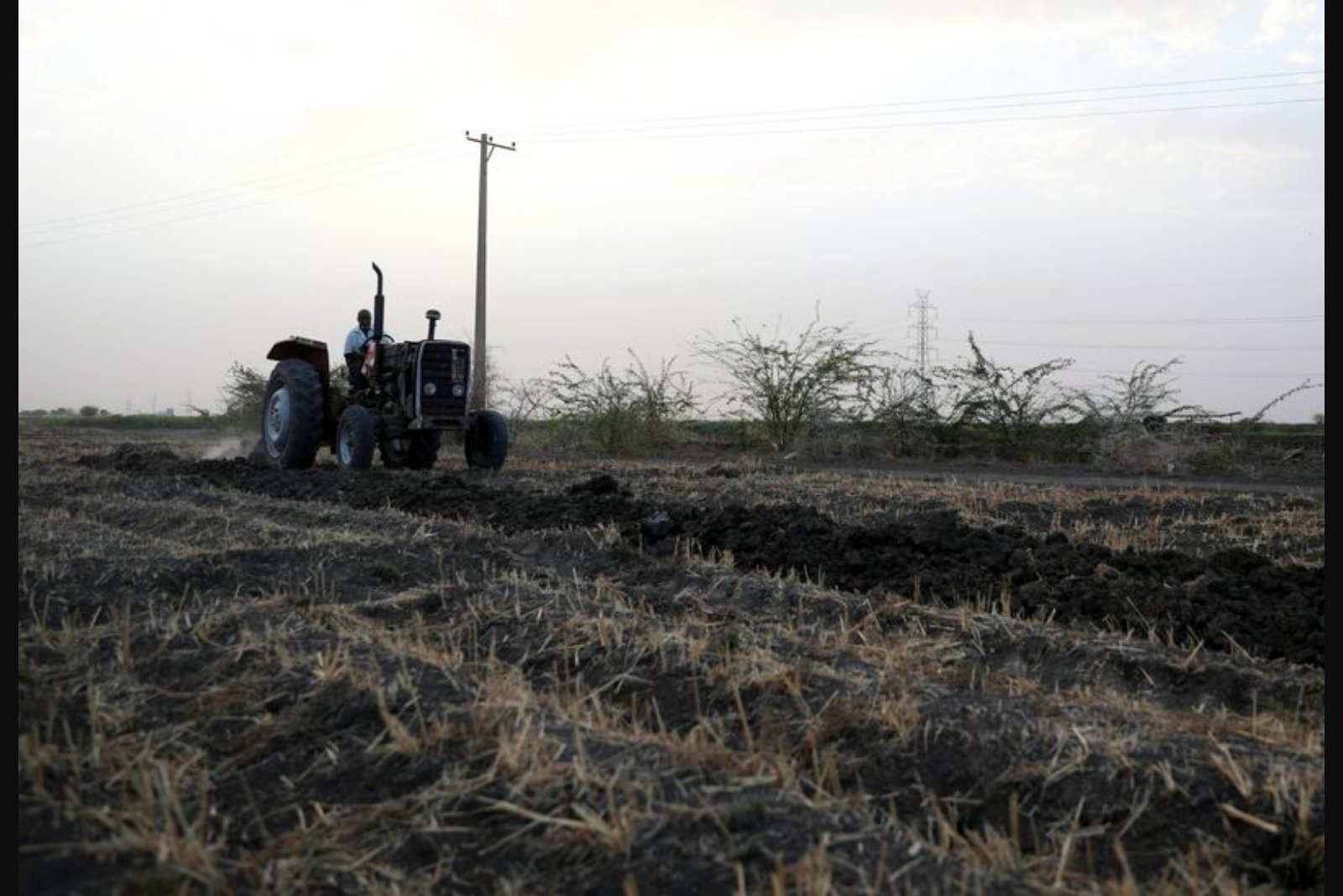
Farmers from multiple regions of Sudan say a sharp rise in the cost of diesel and fertilizer, connected to the conflict in Iran, will curb planting this season and further reduce food output in a country that is already facing severe hunger driven by internal conflict. Interviews with eight farmers and sector specialists indicate that increased input costs add to the damage caused by the ongoing war between Sudan's military and the paramilitary Rapid Support Forces, threatening both domestically consumed staples and export crops.
Vulnerability to supply shocks
Sudan's exposure to international fertilizer markets and its dependence on fuel imports make it particularly vulnerable to disruptions arising from the Iran crisis. U.N. data referenced by agricultural analysts show that more than half of Sudan's fertilizer needs are supplied by the Gulf. At the same time, the civil war has left the country entirely dependent on imported fuel for irrigation and other farm operations.
The combination of these dependencies arrives against a backdrop of shrinking aid budgets and a humanitarian situation in which a U.N.-backed monitor puts roughly 19.5 million people - more than 40% of the population - at crisis levels of hunger, with certain areas assessed as being at risk of famine. The U.N. humanitarian office has warned that a persistent shock to agricultural production could deepen the crisis beyond current levels.
Price moves and immediate effects on planting
National surveys cited by farmers and local officials show fertilizer prices have climbed about 67% year-on-year, while fuel prices, including diesel required for irrigation pumps, have more than doubled. For many smallholder farmers, that math removes any prospect of profit.
"At that price we don’t make a profit, you spend your whole profit on the diesel," said one farmer, Bashir Ismail. In the Jamuia scheme south of Omdurman, only 500 of the planned 10,000 feddans (approximately 4,200 hectares) had been planted about halfway through the planting season, according to Omar al-Ebeid, secretary for the scheme’s farmers’ committee.
In the Gezira scheme, historically a major producer of sorghum and wheat, farm representatives report that the RSF’s withdrawal last year did not result in rehabilitation of irrigation or other critical infrastructure. "The RSF left in February of last year. Nothing has been fixed since then," said Mohamed Balla, head of a farmers’ collective in Gezira.
Production outlook and food security implications
The U.N. Food and Agriculture Organization’s senior food security analyst in Sudan, Sadig Elamin, warned that overall agricultural production could fall by not less than 40% as a result of these compounding pressures. National cereal production has already dropped by roughly one quarter from pre-war averages, according to FAO figures cited by sector experts, and the recent spike in input costs threatens to push it down further.
Farmers note that while production costs have surged, prices paid for harvested crops have remained broadly unchanged. That imbalance creates a direct disincentive to plant some crops. "Two sacks of wheat buy you one sack of urea. So we won’t grow it again," said Balla, highlighting how relative pricing between fertilizer and grain can alter planting decisions.
Financial and institutional pressures
Sudan’s state-backed Agricultural Bank, intended to finance farming operations, has itself been affected by the conflict. Farmers and local leaders contend the bank has effectively priced agricultural inputs too high while offering low prices for agricultural products, a dynamic that has pushed producers into debt.
The bank’s head told local media it would seek to "alleviate the burden" on farmers by supplying inputs on improved terms over longer periods. The Agriculture Ministry’s director for agricultural production, Fatma Yousif, said the ministry had agreed with the bank to establish a new fund to provide as much financing as possible. She added the ministry was analyzing support measures for fuel costs and had begun rehabilitation work on irrigation canals, with pumps repaired in several locations.
Security, looting and disrupted services
In the western and central agricultural belts of Kordofan and Darfur, lawlessness continues to undercut planting and harvest operations. Farmers in those regions report the absence of funding, missing machinery, and persistent insecurity. One displaced farmer, Mohamed Adam, described a situation in which crops are looted, farmworkers are conscripted into fighting, and checkpoints impose extortion, all of which reduce incentives and capacity to cultivate land.
Three farmers from affected areas reported tractors were stolen during raids and that many farmhands were recruited into combat, contributing to widespread displacement and leaving rain-fed fields unprepared for the season. Khalid Abdellatif, director at CTC Group, a large agricultural supplier, said transport of inputs into insecure regions is both expensive and risky, which particularly hurts small-scale subsistence farmers.
An RSF spokesperson did not respond to requests for comment. The group has previously denied targeting civilians and civilian infrastructure in statements to other outlets, according to public accounts.
Implications for markets and livelihoods
The combined pressure of higher international input prices, constrained public budgets redirected towards warfare, damaged local infrastructure, and security risks has created a multi-faceted threat to Sudan’s food production. With roughly two-thirds of the population reliant on farming for their livelihoods, reduced planting and lower yields will likely translate into worsened household economics and heightened food insecurity, particularly among subsistence and smallholder producers.
Policy responses noted by officials include potential subsidized financing from the Agricultural Bank, a proposed new fund from the Agriculture Ministry, and targeted rehabilitation of irrigation infrastructure. The effectiveness of these measures will depend on resource availability and the security environment, both of which remain uncertain.
Reporting for this piece drew on interviews with farmers, local agricultural committee members, sector observers and statements from U.N. officials and Sudanese agricultural authorities.