
Overview
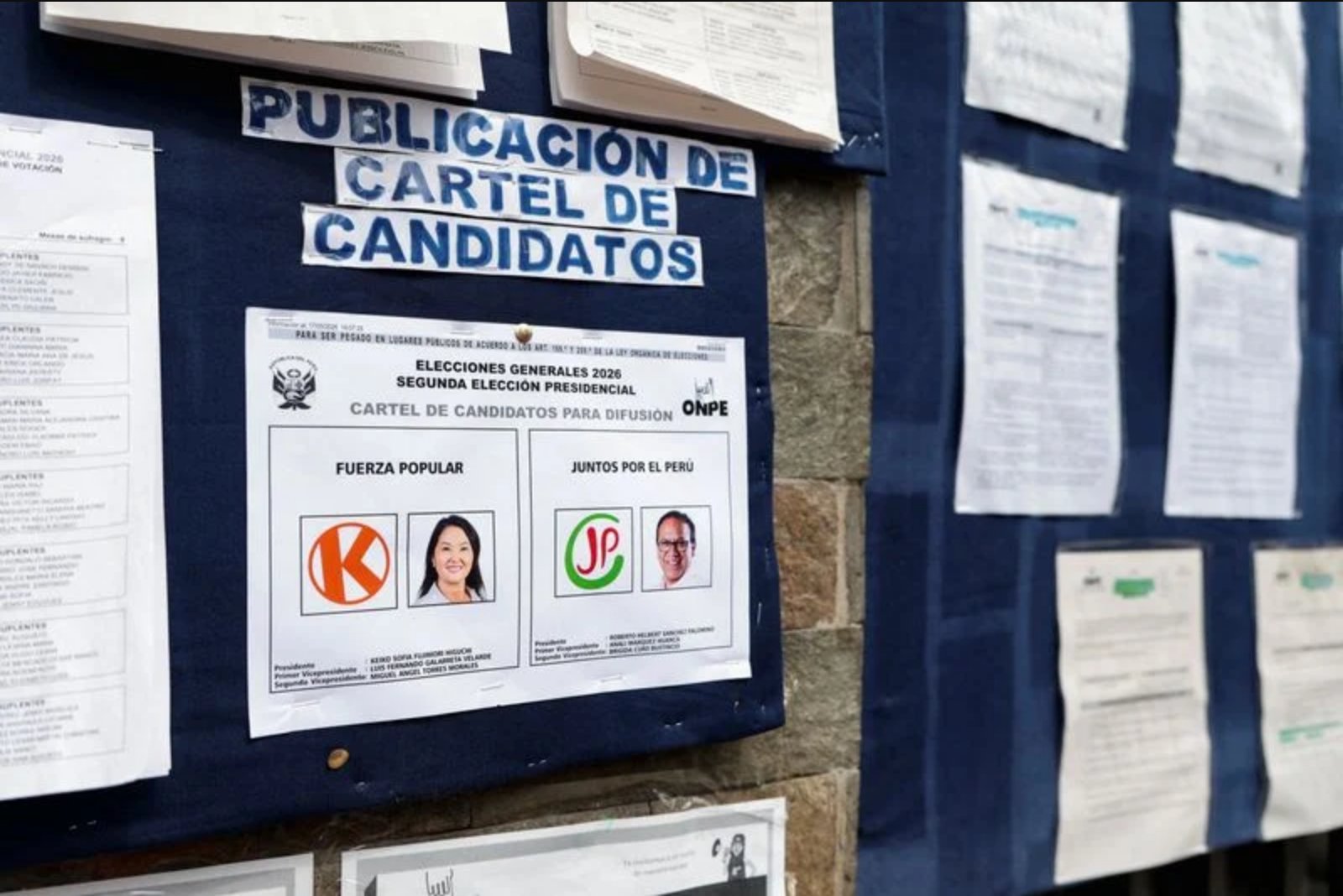
Peru is holding a closely fought presidential run-off that may signal whether the country follows the recent pattern of right-leaning victories in the region or departs from it with a leftist winner. Voters are deciding between Keiko Fujimori, a conservative who has leaned on the legacy of her father, former President Alberto Fujimori, and Roberto Sanchez, a leftist candidate whose appeal in rural areas mirrors that of jailed former President Pedro Castillo.
Candidates and campaign dynamics
Keiko Fujimori has emphasized a law-and-order message while invoking elements of her father’s record. She previously sought to distance herself from some of Alberto Fujimori’s authoritarian methods but has also highlighted his campaigns against left-wing insurgency and his role in stabilizing the economy from hyper-inflation, according to supporters. Fujimori won the first round in April and has now reached a fourth presidential runoff. In the 2021 contest she was narrowly defeated by about 45,000 votes, a margin reported as just over 0.2%.
Roberto Sanchez presents himself as a rural-focused candidate, often appearing in a cowboy hat, and has articulated an agenda centered on tackling inequality and bridging the socioeconomic gap between Lima and the countryside. His platform includes proposals for a new constitution, revisions to mining concessions, and increased investment in rural regions. Those measures have found resonance among certain voter groups, including participants in the informal mining sector, while prompting concern among investors.
Electoral environment and voter concerns
Surveys indicate the two contenders are effectively tied. Crime has been the dominant concern among Peruvian voters, with rising rates of homicide and extortion cited as a primary worry. Those security issues have fueled protests and contributed to the political turmoil that led to the ouster of former President Dina Boluarte.
Tensions from an earlier, chaotic first round linger, with accusations of fraud and threats of protests emanating from both sides. Compounding the political volatility is a fragmented congress, which has removed three presidents over the last five years, presenting the next president with limited legislative stability.
Market reaction and timing
Financial markets have responded to movements in the race. Peruvian stocks fell as Sanchez’s polling strength increased and drew him level with Fujimori. Observers and participants are watching closely given Sanchez’s proposals on mining concessions and broader economic reforms. Polling stations open at 7 a.m. (1200 GMT) and close at 5 p.m. (2200 GMT). Initial results are expected within about three hours of the close, while an official count could take weeks.
What is at stake
The outcome will determine whether Peru aligns with recent rightward shifts seen in neighboring countries or charts a different course under a leftist administration whose program has already unsettled market participants. Whoever takes office will inherit a volatile political landscape marked by high crime, social unrest, and a splintered legislature.
Note: Counts and official certifications may take an extended period. Voter concern over crime and the country's political fragmentation are central themes shaping both the campaign and market response.