
Commodities June 1, 2026 10:08 PM

Oil retreats as uncertainty lingers over U.S.-Iran ceasefire talks

Markets hold recent gains as mixed signals from Washington and Tehran, and still-closed shipping lanes, leave oil traders cautious

By Leila Farooq

Oil prices gave back some of their recent rally in Asian trade amid persistent uncertainty about the status of U.S.-Iran ceasefire negotiations. Relief from a possible de-escalation between Israel and Lebanon was tempered by the continued closure of the Strait of Hormuz and mixed statements from U.S. and Iranian sources.

Oil retreats as uncertainty lingers over U.S.-Iran ceasefire talks

Key Points

  • Brent and WTI both fell 0.4% in Asian trade, trading at $94.58 and $91.83 per barrel respectively, after surging over 4% in the previous session - impacts oil markets and energy trading desks.
  • Markets reacted to mixed signals from U.S. leadership and Iranian reports on negotiations, affecting expectations for near-term supply risks - relevant to petroleum refiners and commodity traders.
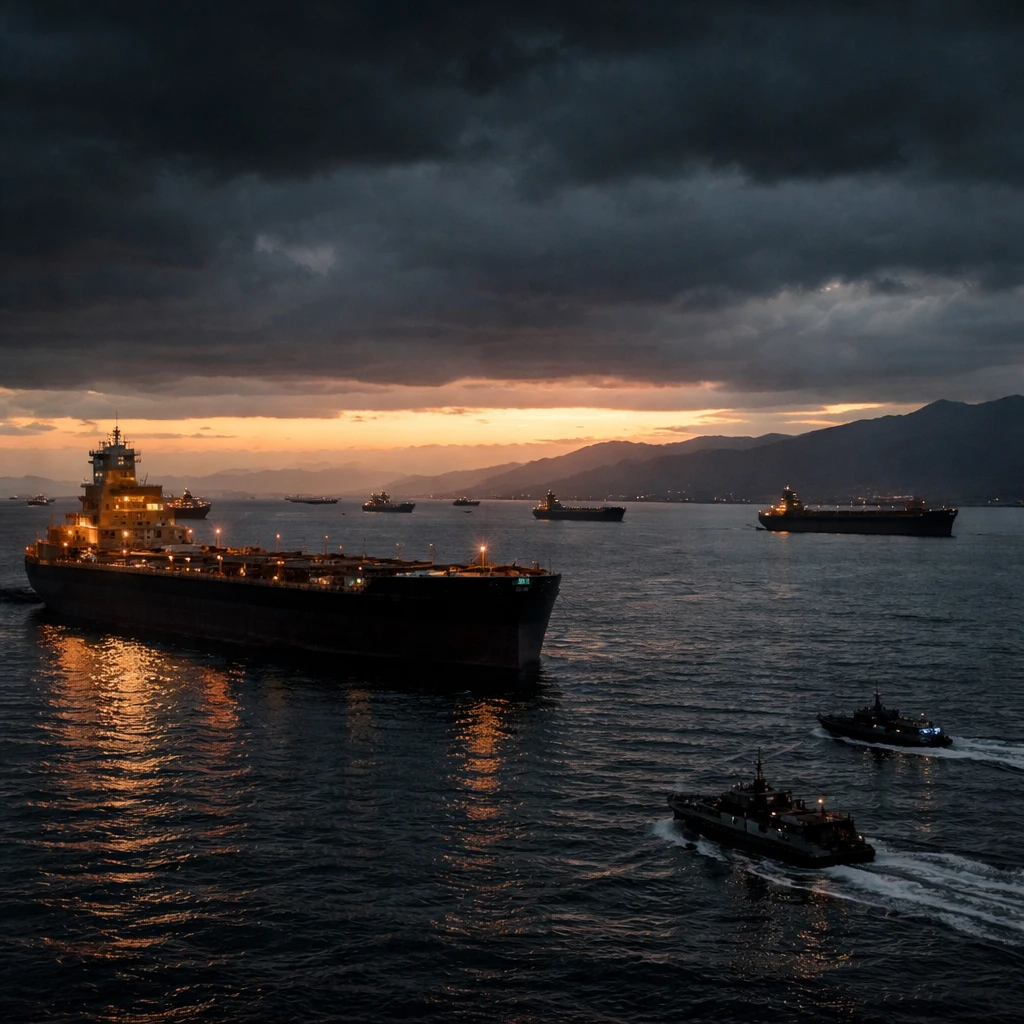
  • A partial ceasefire between Hezbollah and Israel reduced some regional pressure, but the closed Strait of Hormuz continues to constrain shipping and supply routes - affecting tanker operators and global crude flows.

Oil markets eased in Asian trading on Tuesday, though most of the previous session's gains remained intact, as uncertainty persisted over whether U.S.-Iran negotiations on a ceasefire are progressing.

Traders welcomed signs of a potential reduction in tensions between Israel and Lebanon, but that optimism was limited by the fact that the Strait of Hormuz remained closed, leaving few obvious routes for an immediate reopening of the key shipping lane.

On a contract basis, Brent crude for August declined 0.4% to $94.58 a barrel by 21:46 ET (01:46 GMT). U.S. West Texas Intermediate futures also slipped 0.4%, trading at $91.83 a barrel. Both benchmarks had climbed by more than 4% in the prior session.

Movements this week have been closely tied to developments in diplomatic channels between Washington and Tehran. Oil rallied on Monday after Iranian state outlets reported that Tehran had stopped sending messages to the U.S. through mediators, a development that cast doubt on earlier suggestions from U.S. officials that a peace agreement might be near.

Public statements from U.S. President Donald Trump added to market confusion. In remarks to CNBC, the president said he did not care that Iran had ceased responding to negotiations. Yet, in a separate social media post, he stated that talks with Iran were moving rapidly. A separate report said Iran was seeking an interim deal with the United States, but the overall status of the negotiations remained unclear.

Complicating the diplomatic picture, the U.S. and Iran exchanged a fresh round of airstrikes on Monday, further straining any nascent ceasefire and raising questions about the prospects for a negotiated settlement.

At the same time, an announcement of a partial ceasefire between Israel and the Iran-backed Lebanese group Hezbollah suggested some scope for de-escalation, particularly after Israel abandoned plans for a larger incursion into Lebanon. That development offered limited relief to markets sensitive to broader Middle East tensions.


What this means:

  • Oil prices remain sensitive to the pace and clarity of U.S.-Iran diplomacy and to on-the-ground military actions.
  • Shipping disruptions, especially the continued closure of the Strait of Hormuz, are constraining immediate market supply perceptions.
  • Regional ceasefire developments provide partial relief but do not erase underlying uncertainty.

Risks

  • The Strait of Hormuz remained closed, limiting immediate reopening options and posing continued risk to crude shipments and supply-chain dependent sectors such as refining and international trade.
  • Status of U.S.-Iran negotiations was unclear, with conflicting public statements and reports about messaging and interim deal talks, creating policy and market uncertainty that influences oil prices and trading strategies.
  • Fresh airstrikes between the U.S. and Iran and the fragile nature of ceasefires in the region leave the situation prone to renewed escalation, which could rapidly tighten physical and financial oil markets.

More from Commodities

Northwest European gasoline margins slip as ARA stocks fall and trade flows pick up Jun 4, 2026 Iranian Oil Shipments Plunge to Six-Year Low After U.S. Naval Blockade Jun 4, 2026 Russia-U.S. Economic and Energy Dialogue Persists Despite Pause in Peace Talks Jun 4, 2026 Texas screwworm detection puts ranchers on high alert and lifts cattle futures Jun 4, 2026 Administration to Direct Nearly $700 Million in Emergency Aid to Coal Sector Jun 4, 2026