
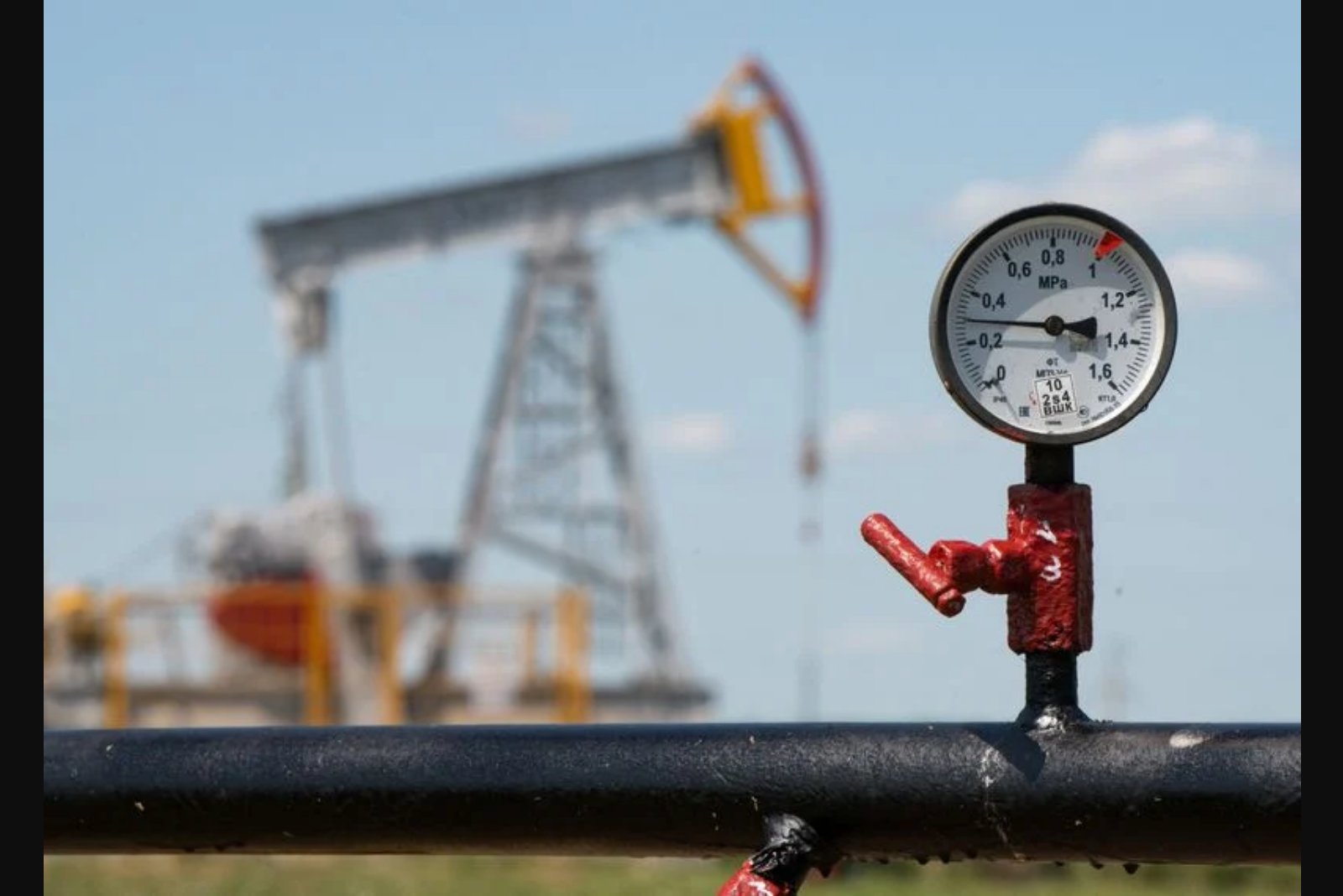
Oil prices changed little in early trading on Friday, following steep declines in the previous session, as diminishing prospects for a near-term peace arrangement linked to US-Iran talks left traders cautious.
By 0003 GMT, Brent crude futures were at $95.24 a barrel, down $0.21 or 0.22% from the prior close, after having settled 2.84% lower in the previous session. U.S. West Texas Intermediate (WTI) crude was trading at $92.94 a barrel, off $0.10 or 0.11%, following a 3.1% fall on Thursday.
Despite the recent volatility, both benchmark contracts were poised to record their first weekly gain in three weeks. WTI was up more than 6% for the week, a rebound that accompanied renewed fighting in the Middle East even as US-mediated discussions aimed at reducing hostilities involving Iran continued with no clear near-term resolution.
Market participants remain attentive to disruptions around the Strait of Hormuz, through which roughly one-fifth of the world's oil flows. Observers noted that traffic in the waterway remained limited, reinforcing concerns about supplies. Several analysts also highlighted a draw in global oil inventories that, if sustained, could contribute to a pronounced price increase in the third quarter.
Geopolitical developments weighed on sentiment. Hezbollah leader Naim Qassem publicly rejected a US-brokered agreement between Israel and the Lebanese government intended to halt fighting. Separately, Iran has made a ceasefire in Lebanon a formal precondition for any peace deal with Washington, adding complexity to negotiations.
At the same time, U.S. President Donald Trump said he believed progress was being made between Israel and Lebanon and that Lebanon deserved to have peace. But market commentary suggested that such statements have done little to lift sustained optimism. "Any optimism remains heavily clouded by a tangled web of headlines and counter-headlines," said IG market analyst Tony Sycamore.
On fundamentals, OPEC maintained its forecast for oil demand growth at 1.2 million barrels per day for the year, Secretary General Haitham Al Ghais said, signalling the group's view that global consumption growth remains intact despite regional conflict and disruptions at the Strait of Hormuz.
Shipping data pointed to a significant decline in Iranian oil shipments, with exports falling to their lowest level in six years, mainly attributed to a US naval blockade. Traders also noted that weak demand from China has pressured prices for Iranian barrels in particular.
From a technical standpoint, some market analysts continue to see upside risks for WTI provided the contract remains above trendline support in the low $80s. That view suggests price direction will be influenced by both technical levels and the evolving supply-demand backdrop tied to geopolitical developments and inventory trends.