
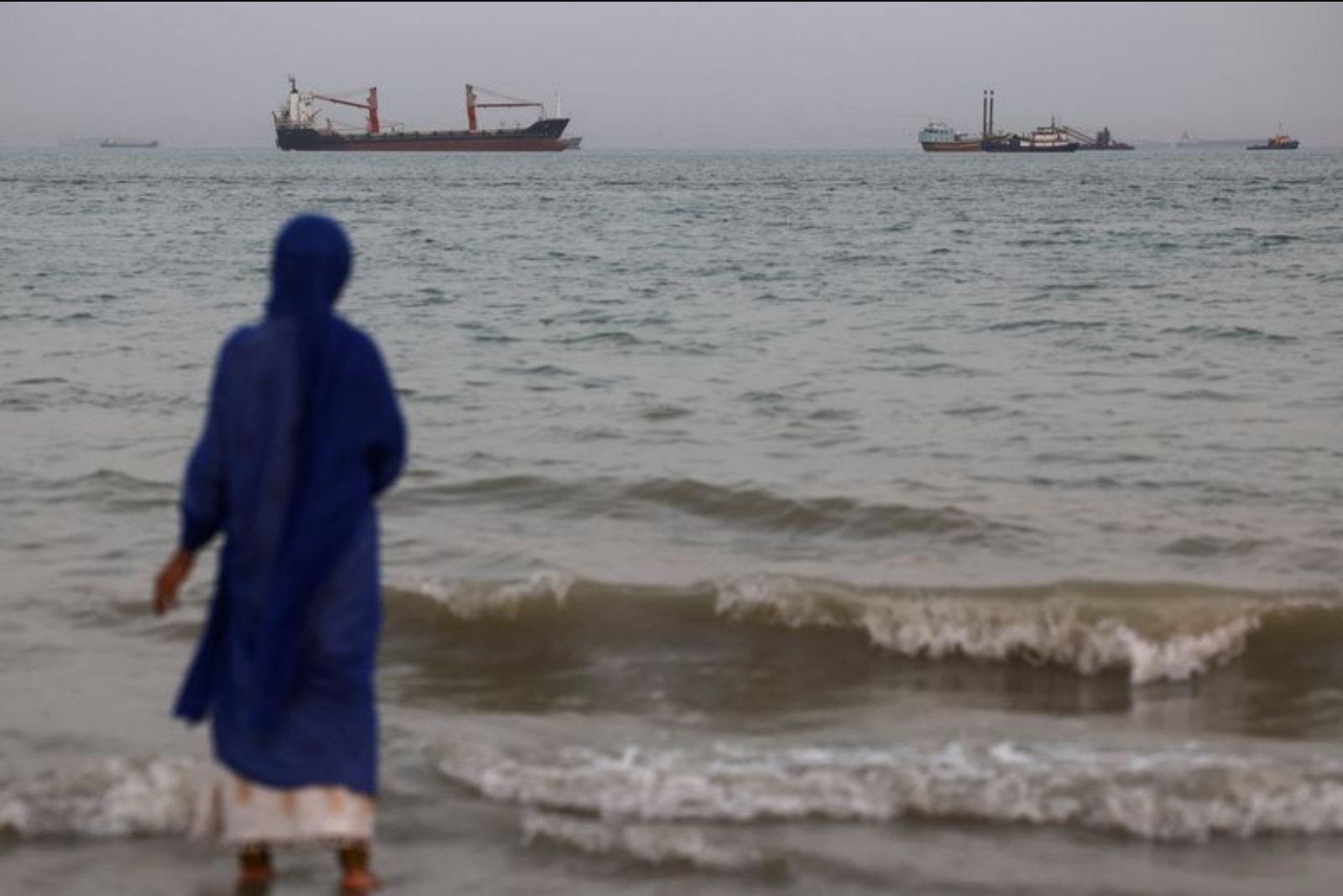
U.S. President Donald Trump announced on social media that a memorandum of understanding aimed at ending the war with Iran is "largely negotiated," and said the emerging arrangement would reopen the Strait of Hormuz. The Iranian Fars news agency disputed that characterization, reporting that the deal would instead allow Iran to manage the strait and calling Trump’s assertion "inconsistent with reality."
Trump made his remarks on Truth Social, adding that "Final aspects and details of the Deal are currently being discussed, and will be announced shortly." He did not elaborate on what other provisions the agreement would contain.
Negotiation dynamics and structure
People familiar with the talks told Reuters that the outline under discussion would proceed in three stages. First, it would formally bring an end to the war. Second, it would address the crisis in the Strait of Hormuz. Third, it would initiate a 30-day window for negotiations on a broader agreement, with scope for that period to be extended if needed.
Two Pakistani sources active in the mediation described the draft deal as "fairly comprehensive to terminate the war." Pakistan’s army said its chief, Asim Munir, had met senior Iranian officials and that the discussions had produced "encouraging" progress.
A post on the X account of Pakistani Prime Minister Shehbaz Sharif thanked Trump for what it called his "extraordinary efforts to pursue peace." Trump also said he spoke on Saturday with leaders from Saudi Arabia, Qatar, the United Arab Emirates, Jordan, Egypt, Turkey and Pakistan, and that the call with Israeli Prime Minister Benjamin Netanyahu had gone "very well." Reports indicated those regional leaders encouraged Trump to accept the emerging framework.
Diplomatic signals and timing
One of the Pakistani sources said that if the U.S. accepts the memorandum, subsequent talks could resume after the conclusion of the Eid holiday. Pakistan has sought to bridge differences between Tehran and Washington after weeks of fighting left the Strait of Hormuz closed to most shipping despite a fragile ceasefire.
Trump noted he intended to remain in Washington for the weekend and would not attend his son’s wedding, citing among other reasons concerns related to Iran. His approval ratings have been affected by the war’s impact on energy prices for U.S. consumers, he said.
Tehran’s position and demands
Iran indicated on Saturday that it was pursuing a memorandum of understanding to end the conflict after senior Iranian officials met with Pakistan’s army chief. Foreign Ministry spokesperson Esmail Baghaei said the trend had been toward reducing disputes but that outstanding issues remained that would require mediators to resolve, adding that "we will have to wait and see where the situation ends in the next three or four days."
Baghaei outlined Tehran’s priorities as supervision of the strait, an end to the U.S. blockade on its ports and the lifting of sanctions on Iranian oil sales. He emphasized that while the blockade on shipping was important, Iran’s higher priorities were ending the threat of further U.S. attacks and resolving the conflict in Lebanon, where Iran-allied Hezbollah militants are engaged with Israeli forces.
Security posture and warnings
After his meetings in Tehran, Mohammad Baqer Qalibaf, a top Iranian negotiator, told reporters that Iran’s armed forces had rebuilt capabilities during the ceasefire. He warned that if the U.S. "foolishly restarts the war," the consequences would be "more forceful and bitter" than at the outset of the conflict.
Despite weeks of fighting, Iran has preserved its stockpile of near-weapons-grade enriched uranium and retained missile, drone and proxy capabilities, according to the information available in the talks.
Immediate outlook
At present, negotiators continue to discuss final details of the memorandum while parties involved signal cautious optimism. Iran’s state-linked reporting that the strait would remain under its control directly contradicts the U.S. president’s statement that the passage would reopen under the emerging deal.
The staged framework under consideration envisages an initial cessation of hostilities and a focused effort on reopening shipping lanes, followed by a constrained negotiating period to hammer out broader terms if all sides agree to the memorandum. Key actors remain engaged in discussions, and further clarification on specific commitments and timelines is expected only after those final aspects are settled.