
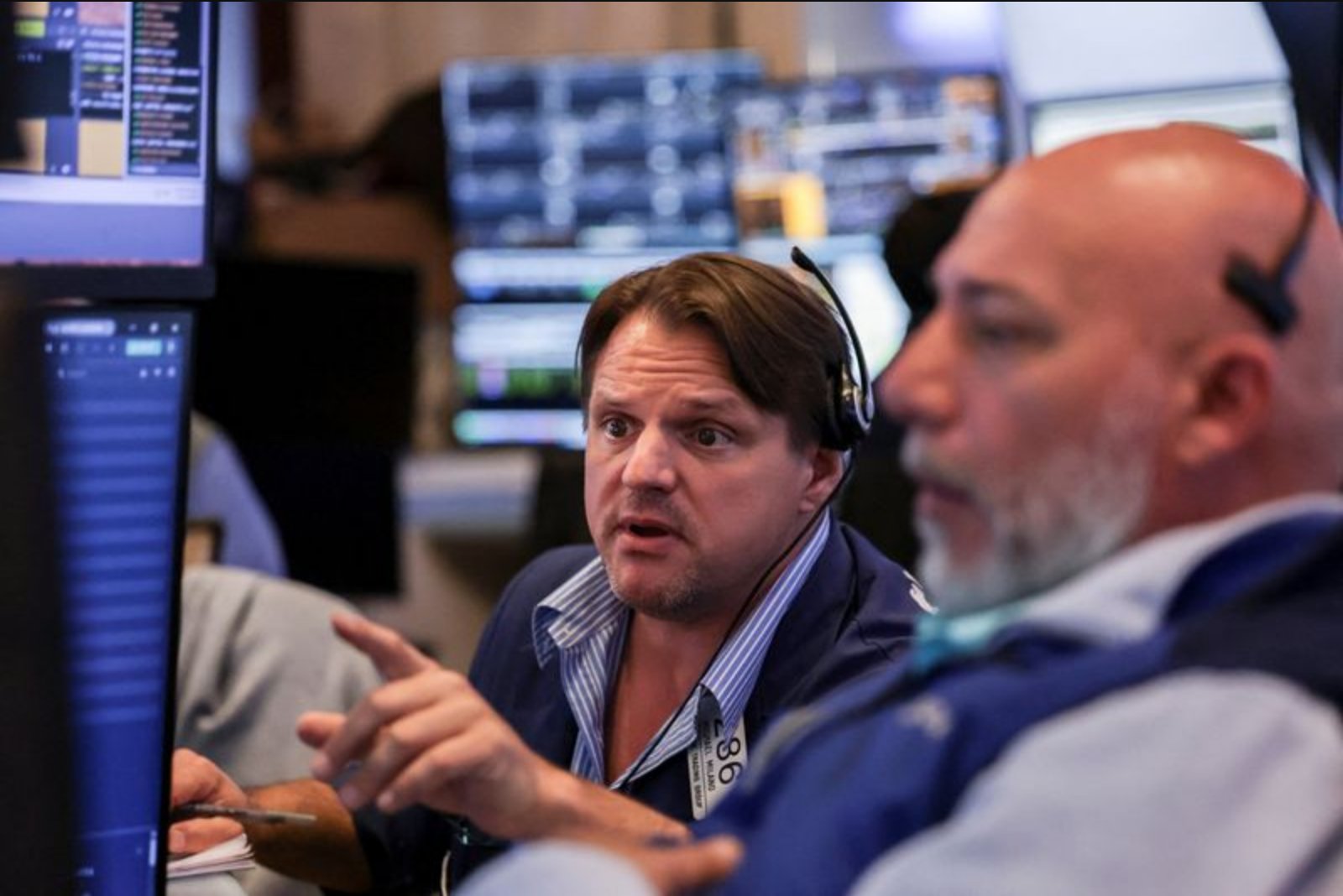
Investors pushed several memory-chip manufacturers to new valuation thresholds this week, reflecting continued appetite for stocks tied to artificial intelligence demand and tight supplies of memory chips.
U.S.-listed Micron Technology briefly entered the $1 trillion market-cap club on Tuesday, and SK Hynix in South Korea crossed the same threshold on Wednesday. Both companies have seen dramatic stock appreciation over the past year, with shares rising roughly 10-fold amid what market participants describe as frenzied demand and ongoing shortages of memory chips.
Momentum intensified this week with near-20% rallies in the shares of Micron and SK Hynix, signaling the dash for chip exposure remains in force. SK Hynix’s milestone follows an earlier $1 trillion market value achievement by Samsung Electronics earlier this month, taking the list of mega-cap semiconductor names to three.
Part of the fresh lift for Samsung and SK Hynix came after a landmark worker bonus agreement for Samsung employees that removed the threat of a damaging strike. Under the terms of the deal, some workers in the memory-chip workforce will be eligible for bonuses in excess of $400,000, and Samsung has committed to allocating a sizeable portion of its chip division profits to cover those payouts. The news helped propel South Korea’s KOSPI to a gain of more than 3% on Wednesday, with Samsung and SK Hynix leading the advance.
On Wall Street, the broader market mood showed resilience. The S&P 500 and the Nasdaq both closed at record closing highs on Tuesday, and U.S. stock futures rose before Wednesday’s opening. Goldman Sachs raised its year-end forecast for the S&P 500 to 8,000 from 7,600 - an increase of about 6% - citing continued strength in corporate earnings.
Market participants also digested a range of macroeconomic and geopolitical developments. The Conference Board’s gauge of U.S. consumer confidence eased this month but by less than some had feared, offering a contrast with the softer reading in last week’s University of Michigan survey. Meanwhile, the standoff between the United States and Iran remained in a holding pattern with little substantive change, though hopes for a diplomatic breakthrough persisted. Tehran characterized recent U.S. strikes as a "gross violation" of the two sides’ ceasefire.
Energy markets reflected some of this volatility: oil prices fell around 3% early on Wednesday, partially reversing a roughly 4% rise recorded on Tuesday. In European fixed-income markets, traders were unsettled after comments from European Central Bank board member Isabel Schnabel, who said the size of the energy shock meant policy makers could not simply "look through" its effects and that a rate increase next month should be on the table even if a peace plan between the U.S. and Iran is agreed.
Charting the market milestones, SK Hynix reached a market valuation above $1 trillion for the first time on Wednesday, while Micron had briefly crossed that level on Tuesday. Samsung Electronics had earlier passed the $1 trillion mark on May 6. On Wednesday, SK Hynix shares closed more than 9% higher and Samsung rose about 3% as the labor issue was resolved. Micron’s stock price has advanced dramatically since early April of last year, rising by more than 1,200% over that span.
Events and speakers to watch today
- U.S. 5-year note auction - 1 p.m. EDT
- U.S. 2-year floating rate note auction - 11:30 a.m. EDT
- Speeches by U.S. Fed Vice Chair Philip Jefferson, Governor Lisa Cook, and Dallas Fed President Lorie Logan
The recent episodes of extreme moves in chip stocks and the accompanying market reactions underscore how concentrated advances in a handful of sectors can influence broader indices and regional markets. Memory-chip companies have been among the primary beneficiaries of demand tied to AI applications, and near-term developments - including labor agreements and supply dynamics - continue to shape investor expectations.
At the same time, mixed data on consumer sentiment, central bank commentary on the implications of energy shocks, and geopolitical tensions in the Middle East present variables that markets are actively pricing into risk assessments. Oil’s reversal after a sizable one-day gain highlights the rapid shifts seen in commodity markets, while central bank remarks have the potential to move rates markets, particularly in Europe.
Overall, the week has combined milestone valuations in semiconductor names with broader evidence of market optimism, tempered by macro and geopolitical risks that could influence the next phase of market moves.