
Overview
Markets opened the new month with familiar themes: persistent tensions in the Gulf and an accelerating frenzy around artificial intelligence. Last week’s tentative diplomatic progress between the U.S. and Iran gave way to renewed military clashes over the weekend, and Israel expanded operations into Lebanon in its confrontation with Hezbollah. Despite diplomatic rhetoric suggesting Iran might be open to a deal, there has been no tangible easing of pressure in the Gulf - an environment that analysts say makes June a potentially pivotal month for energy supplies.
Energy
Brent crude prices climbed, recovering more than 3% to trade near $94 per barrel after a 2% drop on Friday. The increase reflects market concerns about supply risk as geopolitical strains persist.
AI-led market moves
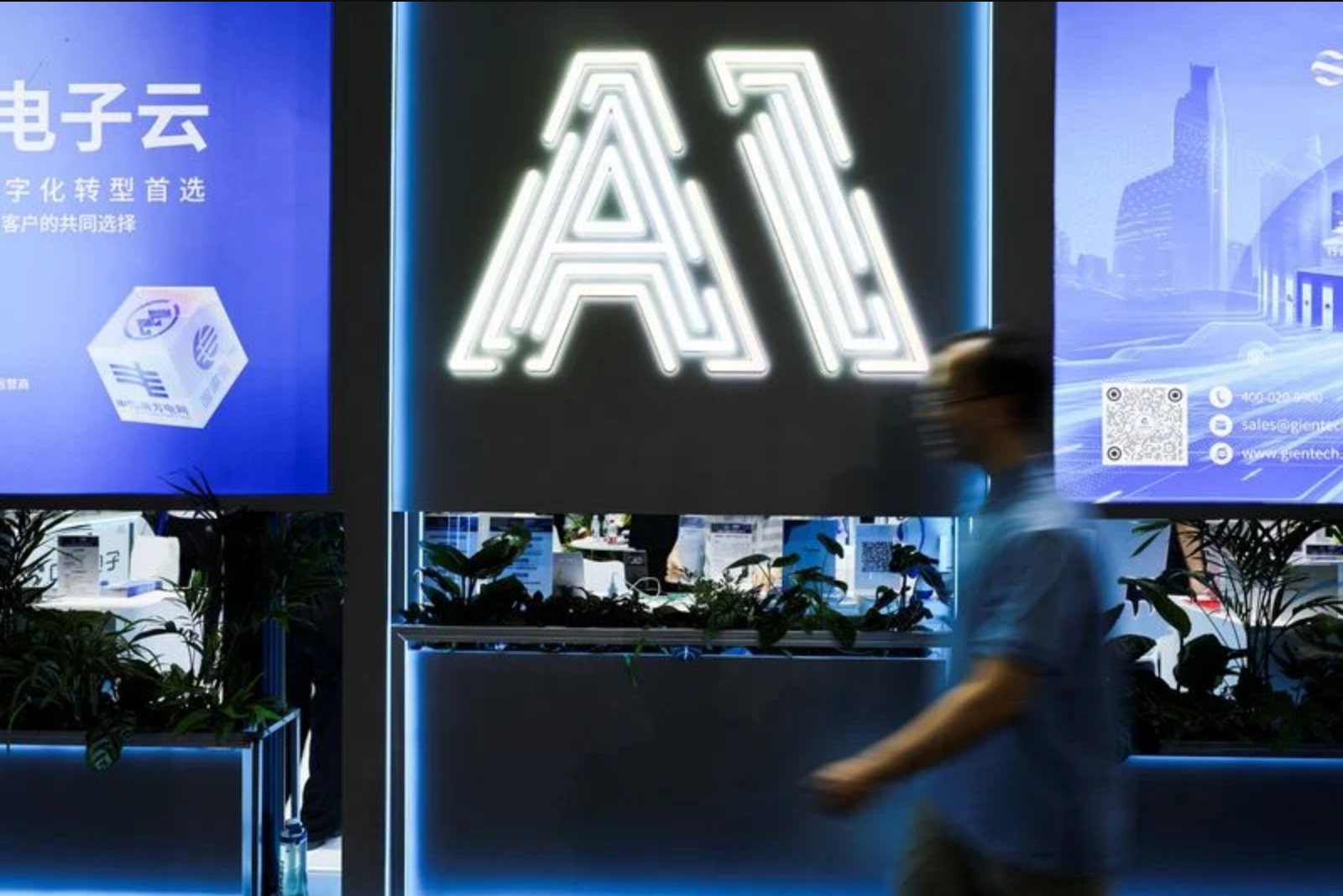
At the same time, AI developments kept dominating investor attention. On Monday, Nvidia’s Jensen Huang unveiled a new processor designed to embed AI functionality directly into laptops and desktop machines - a product many industry observers said could change how users interact with AI tools. The announcement provided a fresh catalyst for chip-related stocks and the broader technology sector.
South Korea’s Samsung saw its shares jump about 10% on Monday amid several pieces of positive news: the start of shipments of its new HBM4E memory chip and reports of an expected meeting between Samsung executives and Nvidia’s Huang later in the week. The broader South Korean market also rallied, with shares rising more than 4%.
Reflecting the strength of global chip demand, official trade data released on Monday showed South Korean exports in May surged by 53.2% year-on-year to a record $87.75 billion - the fastest annual pace since 1984 and the 12th consecutive month of annual export growth. That performance has helped propel the country’s benchmark KOSPI index, which has more than doubled so far this year.
Regional manufacturing contrasts
By contrast, official data from China indicated that factory growth stalled in May as external demand cooled. Separately, there were reports that Washington has moved to restrict shipments of Nvidia chips to certain Chinese subsidiaries located outside mainland China.
Market breadth and sector notes
Although technology has dominated headlines with dramatic share price moves - including large swings in specific names such as Dell last week - other parts of the market have also performed well. The Russell 2000 small-cap index has matched or exceeded the performance of the SOX chip index so far this year. In biotech, shares of Revolution Medicines jumped about 20% ahead of Monday trading after trial results for its pancreatic cancer drug indicated the treatment doubled the chance of survival.
Macro calendar and policy risks
Market participants face a busy macro schedule this week. The ISM U.S. manufacturing survey for May is due for release today, while the U.S. employment report for May is scheduled for Friday. These data points kick off a week of closely watched economic releases at a time when central bank meetings across jurisdictions could still yield interest rate increases, according to market expectations.
Political events also add to the domestic backdrop in the United Kingdom, where a high-profile by-election will intensify scrutiny of an emerging leadership challenge. These developments could influence market sentiment and risk appetite as June unfolds.
Chart of the day
South Korea’s export figures stood out as the day’s defining chart: a 53.2% year-on-year rise in May to $87.75 billion, the strongest percentage increase since January 1984 and the 12th straight month of annual export growth. The data underscore how AI-driven investment in chips has boosted demand for the country’s semiconductor industry and supported optimism for its trade-reliant economy.
Events to watch
- U.S. ISM and S&P Global manufacturing PMIs for May (scheduled 9:45-10 a.m. EDT)
- U.S. employment report for May (due Friday)
- Central bank meetings across multiple jurisdictions this month
- UK by-election and any developments around the domestic leadership contest
Market snapshots
Intraday moves included the small-cap US2000 index down 0.59%, Nvidia shares off 1.45%, Brent crude up roughly 3.25%, South Korea’s KS11 index higher by 3.68%, the SOX chip index flat, Samsung (ticker 005930) up 10.09%, and Revolution Medicines (RVMD) up 1.84% in the displayed quotes.
Listen to the Morning Bid daily podcast for ongoing coverage of the most important market and finance stories.