
Overview
As efforts continue to negotiate an end to the war now in its fourth month, a set of core disputes stands between Washington and Tehran. These disputes span maritime access, nuclear material and facilities, missile capabilities, economic sanctions and regional conflicts in Lebanon. Each topic contains several detailed sub-issues that would need resolution for a comprehensive peace agreement.
Strait of Hormuz and Gulf maritime access
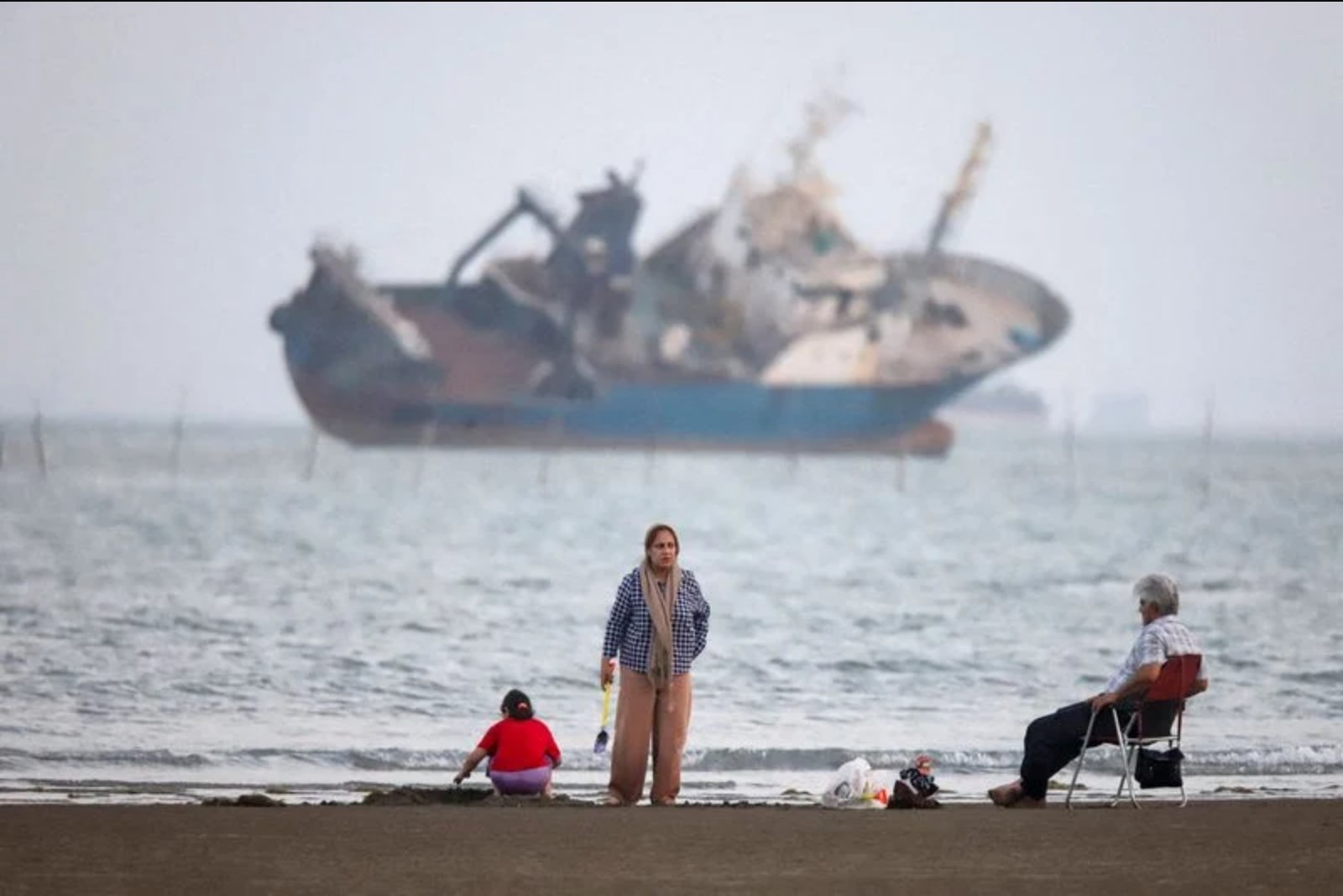
One immediate and tangible source of international disruption is Iran's closure of the Strait of Hormuz. The strait is normally the conduit for around a fifth of global oil and liquefied natural gas shipments. Its closure has produced an unprecedented oil supply shock and fed higher prices for fuel, food and fertiliser. Reopening the strait is the top priority for the United States, while Iran treats closure as a principal element of its leverage in negotiations.
Operationally, the situation is complicated. Many commercial vessels remain trapped in the Gulf and Iran has said it has placed some sea mines that could be hard to locate. At the same time, a U.S. blockade on Iranian ports has disrupted Iran's own export channels and has curtailed state revenue. Ending that blockade is among Tehran's main objectives in any agreement.
Nuclear programme and enriched uranium
The nuclear issue is deeply complex and sits at the heart of the negotiations. The United States states it believes Iran is aiming to build a nuclear bomb; Iran denies such an intent and maintains its atomic programme is for peaceful purposes only. The technical focus is on uranium enrichment - a process that produces fuel for nuclear power but can also generate weapons-grade material.
Iran has enriched some uranium to 60% purity - far beyond the 5% level used in most electricity-generating reactors - and it retains other stocks enriched to 20%, 5% and 2%. Iranian sources have indicated Tehran might be willing to dilute part of its highly enriched uranium in a friendly country to a 5% enrichment level and then have that material returned. Even if that step were accepted, numerous further questions remain.
Among unresolved nuclear matters are the length of any agreed halt to enrichment activities, whether certain nuclear facilities would be dismantled, the disposition of uranium enriched below the highest levels of purity, the status of Iran's advanced centrifuges and the detailed rules for an inspections regime. Each of these elements would have to be negotiated and clearly defined for a durable settlement.
Ballistic missiles
Before the war, Washington had pressed Iran to curtail the range of its ballistic missiles so they could not reach Israel. Iran maintains that its right to possess conventional weapons is non-negotiable and asserts it retains a large missile arsenal. This subject remains a prominent U.S. demand and a firm Iranian red line.
Sanctions, frozen assets and reparations
Economic measures are another central battleground. Iran's economy has been damaged by sanctions for years, a factor that contributed to nationwide unrest in January. Tehran is seeking a rollback of sanctions and the release of tens of billions of dollars of Iranian oil revenues that have been frozen in foreign banks. Iran has also sought reparations for war-related damage.
The United States has shown resistance to restoring assets and lifting sanctions. The article notes that former U.S. President Donald Trump criticised the return of some frozen funds to Iran that occurred under the 2015 nuclear deal. Some media reports have suggested the latest draft agreement under consideration would include an investment programme for Iran, though details remain subject to negotiation and confirmation.
Lebanon and Hezbollah
Tehran has repeatedly said that Israel's war against its principal ally Hezbollah in Lebanon must be part of any wider settlement. Although Israel and Lebanon agreed a ceasefire last month, both Israel and Hezbollah have accused each other of repeated violations since that agreement, and Israel's military is reported to be ramping up operations in southern Lebanon. Israel would oppose any agreement between the United States and Iran that it perceives as limiting its freedom of action in Lebanon.
Conclusion
Negotiators must bridge a range of technical, economic and political divides. From clearing mines and reopening a major international shipping lane to defining detailed restrictions on nuclear materials and facilities, reducing missile threats, resolving sanctions and frozen assets, and addressing the Lebanon theatre, the path to a comprehensive peace deal is crowded with complex, interlocking issues. Each side's priorities reflect immediate national-security concerns and longer-term economic interests, and resolving them will require detailed, verifiable arrangements that both Washington and Tehran accept.