
Price moves and supply signals
European natural gas prices moved lower on Wednesday as fresh indications of increased supply into regional markets eased some of the premium that had built around geopolitical risk. The benchmark Dutch front-month contract at the TTF hub declined 5.1% to 45.165 euros per megawatt hour, according to ICE data. In the United Kingdom, the June natural gas contract fell 4.6% to 110.00 pence per therm.
Supply developments
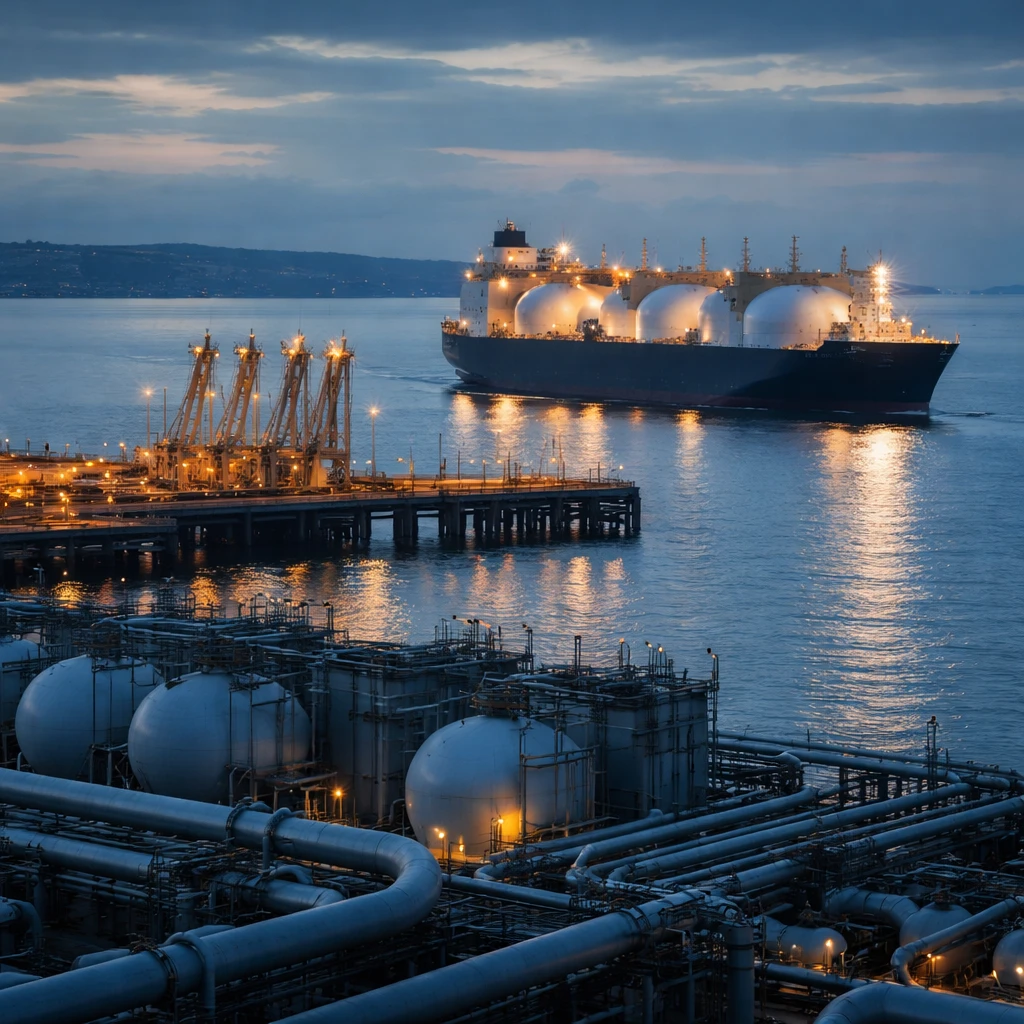
Market participants pointed to higher nominations of Norwegian exports and a steady flow of liquefied natural gas cargoes to northwest Europe as factors supporting the price drop. Total Norwegian exports were nominated 5 million cubic meters a day higher at 293 mcm/d, and 17 LNG cargoes are expected to arrive at terminals in northwest Europe over the next two weeks, Reuters reported, citing LSEG data.
Diplomatic backdrop
Those supply signals arrived against a backdrop of ongoing diplomatic manoeuvring over the conflict in Iran. Al Jazeera reported that indirect negotiations between the U.S. and Iran have continued despite an exchange of fire earlier this week. U.S. officials stressed that a shaky ceasefire remained in place, while Iran warned of retaliation should the truce be violated.
"it will take a 'few days' for Washington and Tehran to reach a deal," said U.S. Secretary of State Marco Rubio this week.
Media reports over the weekend suggested the U.S. and Iran were close to a framework accord. The reported terms included an extension to the ceasefire and reopening of the Strait of Hormuz - a critical waterway off Iran’s southern coast through which a fifth of the world’s oil flows. The strait has been largely shuttered since the start of the war in late February, curbing energy supplies and pushing oil and natural gas prices higher.
Market implications
Traders and analysts noted that the combination of higher near-term supply nominations and incoming LNG shipments helped reduce immediate upward pressure on European gas prices. At the same time, the ongoing fragility of ceasefire arrangements and stalled or uncertain diplomatic outcomes mean that the market remains sensitive to shifts in the security situation and to any reclosure of key shipping routes.
Inflation and policy considerations
Rising energy prices have fed concerns that higher fuel costs could accelerate inflation in economies worldwide. Those inflationary bets have increased expectations that major central banks - including the Federal Reserve and the European Central Bank - may lift interest rates to rein in price pressures.
Reporting focuses on price moves, supply flows and diplomatic developments as the primary drivers behind current market dynamics.